Madrid, Spain
The hantavirus outbreak detected on the cruise ship MV Hondius left a total of eight people infected, according to the most recent data from the World Health Organization (WHO). Of these cases, four have been confirmed in the laboratory and another four remain suspicious.
The balance includes three deadseveral evacuated to the Netherlands and a patient hospitalized in Switzerland.
The cruise departed on April 1 from Ushuaia (Argentina). Days later, on April 6, the first patient with mild symptoms was detected. On April 11, the first death on board was recorded after respiratory complications.
On April 24, new cases were identified, including a second patient who had had contact with the first. Two days later, on April 26, hantavirus infection was confirmed by PCR after the death of the second patient.
On April 27, a third patient was evacuated to South Africa in critical condition.
On May 2, the death of a fourth patient in the United States was confirmed, raising concerns about the outbreak.
He MV Hondius It had set sail from Ushuaia and was off Cape Verde when part of the outbreak was confirmed, following a route that crossed the Atlantic Ocean.
What is hantavirus and how is it transmitted?
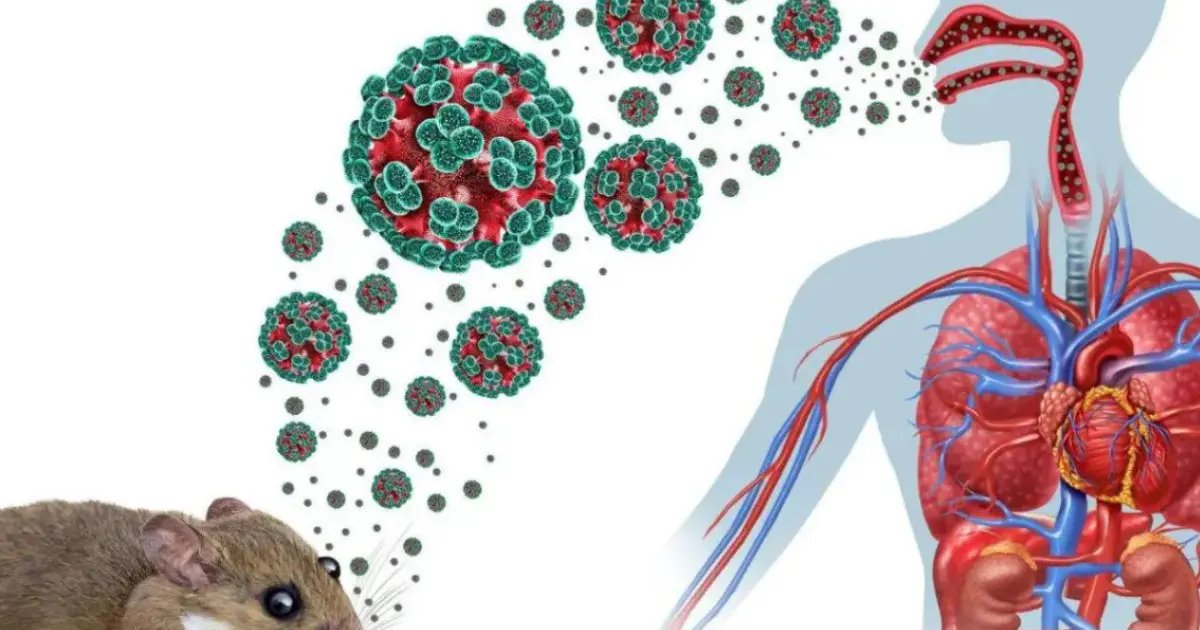
He hantavirus It is a pathogen that is transmitted mainly through rodents infected.
Infection can occur through contact with urine, feces or saliva, although the most common route is inhalation of contaminated particles. In some specific cases, such as the Andes virus, limited transmission between people has been documented.
Infection can cause serious illness and even death. Among the main symptoms Fever, headache, vomiting, muscle pain, abdominal pain, diarrhea and chills are found.
In America it can lead to cardiopulmonary syndrome, while in Europe and Asia it usually causes hemorrhagic fever with kidney involvement. The fatality rate varies between 1% and 50%, depending on the region and the type of virus.
Situation on board and evacuations
At the time of the outbreak, there were 149 people on the ship: 88 passengers and 61 crew members. Most of the passengers were from the United Kingdom, the United States, Spain and Germany, while the crew came mainly from the Philippines, the Netherlands and the United Kingdom.
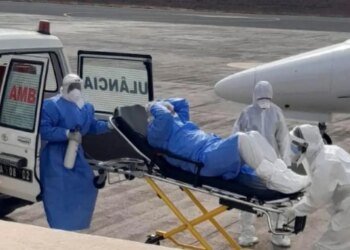
After the infections were confirmed, several patients were evacuated and transferred to hospitals in different countries. Health authorities confirmed that the detected strain allows transmission between humans, which has increased control measures.
Currently there is no specific treatment against hantavirus. Medical care focuses on treating respiratory, heart, and kidney complications that may arise during infection.