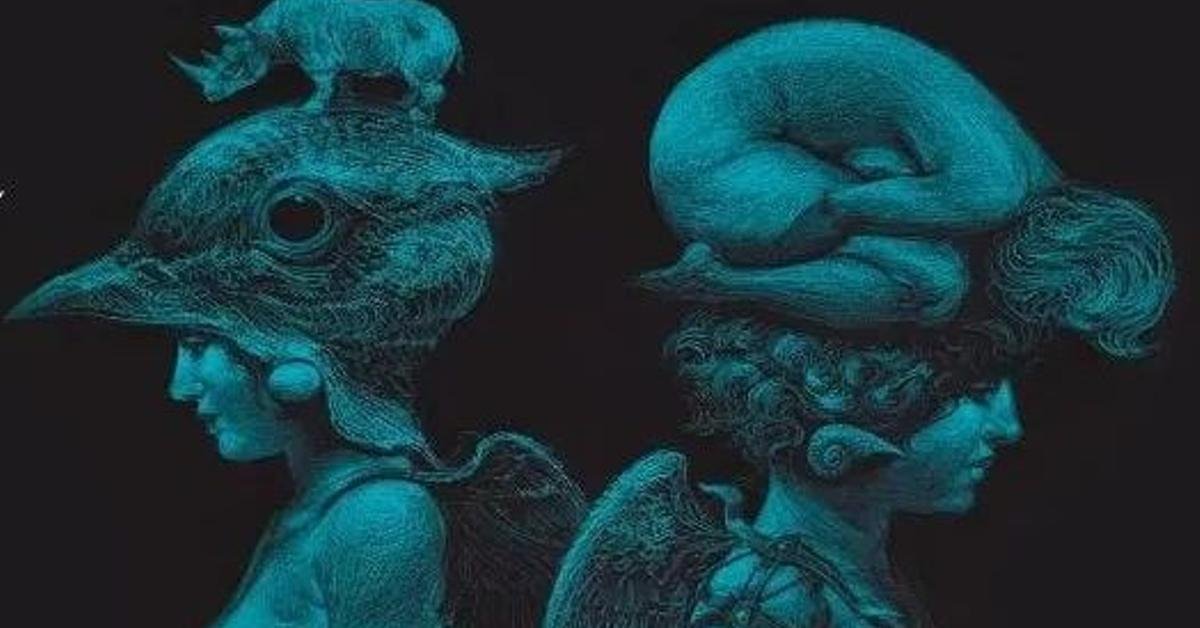
Albacete/The Municipal Museum of Albacete hosts the exhibition Cuban painting. Selection of teachers and studentsa collective exhibition that brings together more than fifty works by 54 artists of different generations, from the Viñas-Quetglas private collections. The exhibition, inaugurated on October 8 and open to the public until November 8, proposes a journey through the diversity of styles, languages and themes that characterize contemporary Cuban painting.
Among the participants is the Cuban artist Alicia de la Campa Pak, whose work Merchants and criersbelonging to the Viñas-Gil collection, is exhibited for the first time to the public. The creator celebrated on her social networks the inclusion of her work in this exhibition, which represents an opportunity to give visibility in Spain to a wide selection of artists from the Island.
The pieces come from the funds collected by collectors José Julián Viñas Picazo, a native of La Roda, in Albacete, and Bernardo Quetglas, from Mallorca. In particular, the Viñas-Gil collection, formed by Viñas Picazo together with his wife and children, has previously been presented in cultural spaces in the province, such as the College of Surveyors and Technical Architects and the José Saramago House of Culture.
The selected works also appear collected in two printed editions dedicated to Cuban painting, which document part of this artistic heritage preserved in private Spanish collections.
In the text presenting the exhibition, dated in Havana in July 2026, Meira Marrero Díaz highlights the capacity of Cuban painting to renew itself, incorporate international influences and transcend the geographical borders of the Island. The selection brings together both creators with extensive experience and representatives of younger generations, in a proposal that highlights the plurality of Cuban artistic production.
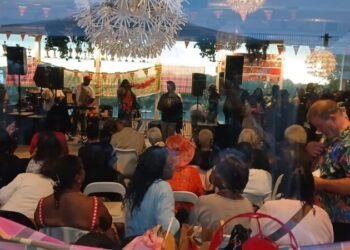
The exhibition was inaugurated with the presence of the Councilor for Culture of Albacete, Elena Serrallé, and other representatives of the municipal Government. During the event, Serrallé highlighted the value of art as a vehicle for rapprochement between Cuba and Spain and thanked the collectors for their contribution to the conservation and dissemination of this cultural heritage.
Cuban painting. Selection of teachers and students It allows you to discover the richness of a pictorial tradition marked by the confluence of cultural influences, formal experimentation and different interpretations of national identity. At the same time, it offers a look at the role that private collecting plays in the preservation and international circulation of Cuban art.