Like so many
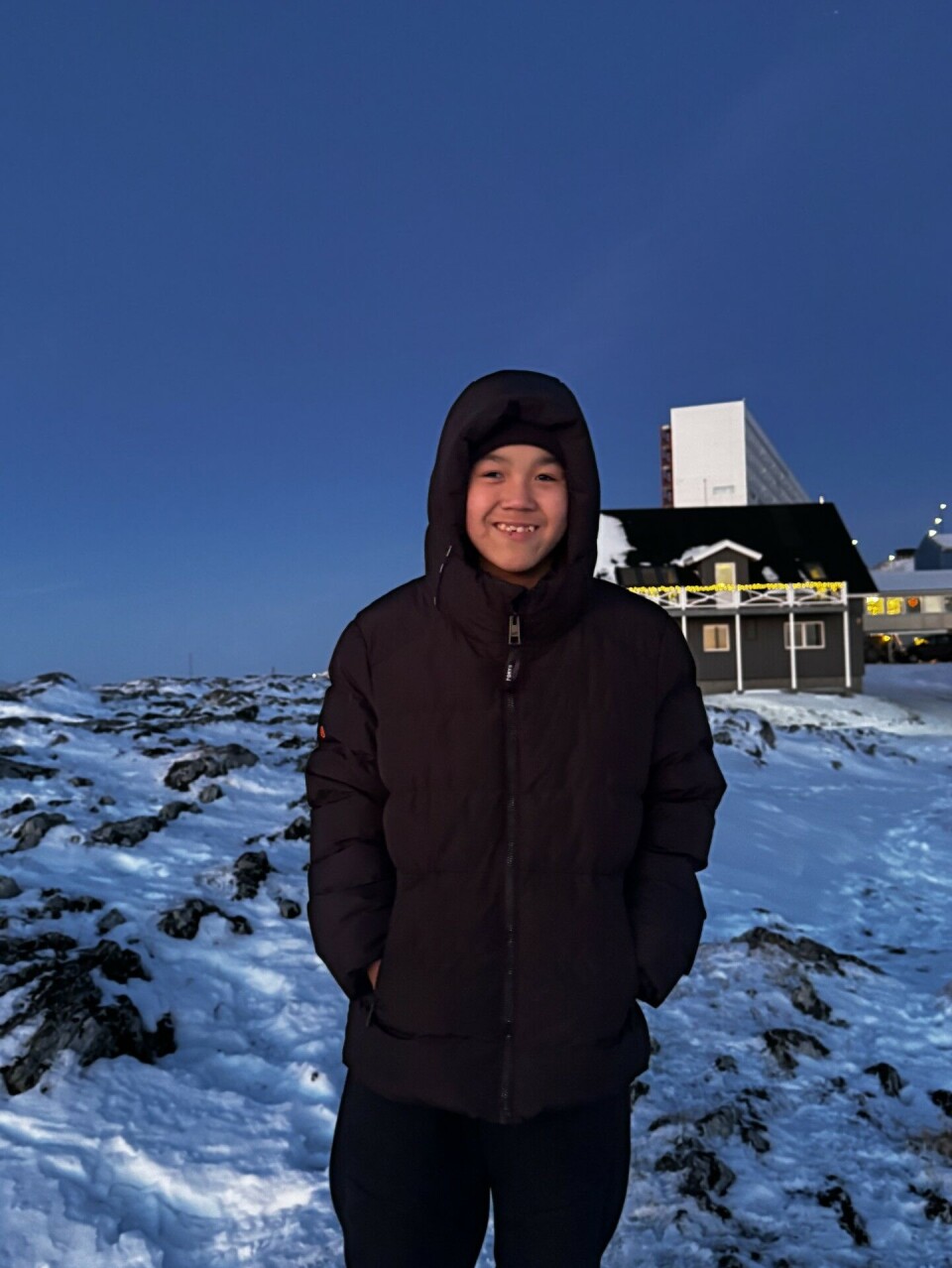
other young boys, Qujagi Lyberth loved playing soccer and Fortnite with friends.
When he was not on excursions or in a cabin with the residential institution in Nuuk where he lived, he spent a lot of time with his older sister, Mia Lyberth.
On ordinary weekday evenings, it often happened that he called her out of the blue and asked if they should see a movie at the cinema or go for a walk together. On the weekends, he often stayed in her apartment, where his friends also often hung out.
– He was my best friend, says Mia Lyberth.
Although Qujagi Lyberth was both happy and loving, he also had his challenges. Among other things, he suffered from congenital alcohol syndrome because his mother was an alcoholic and drank too much while she was pregnant with him.
In addition, he was on the waiting list to be evaluated for ADHD.
– Since he was a child, there has always been something going on in him. Sometimes he also caused trouble, says Mia Lyberth.
– And then there was also the alcohol syndrome that affected him. He could neither read nor write and had a harder time keeping up than others.
Occasionally he told his sister that he couldn’t understand why he was different from others.
March 14 he took his own life.
Got worse with age
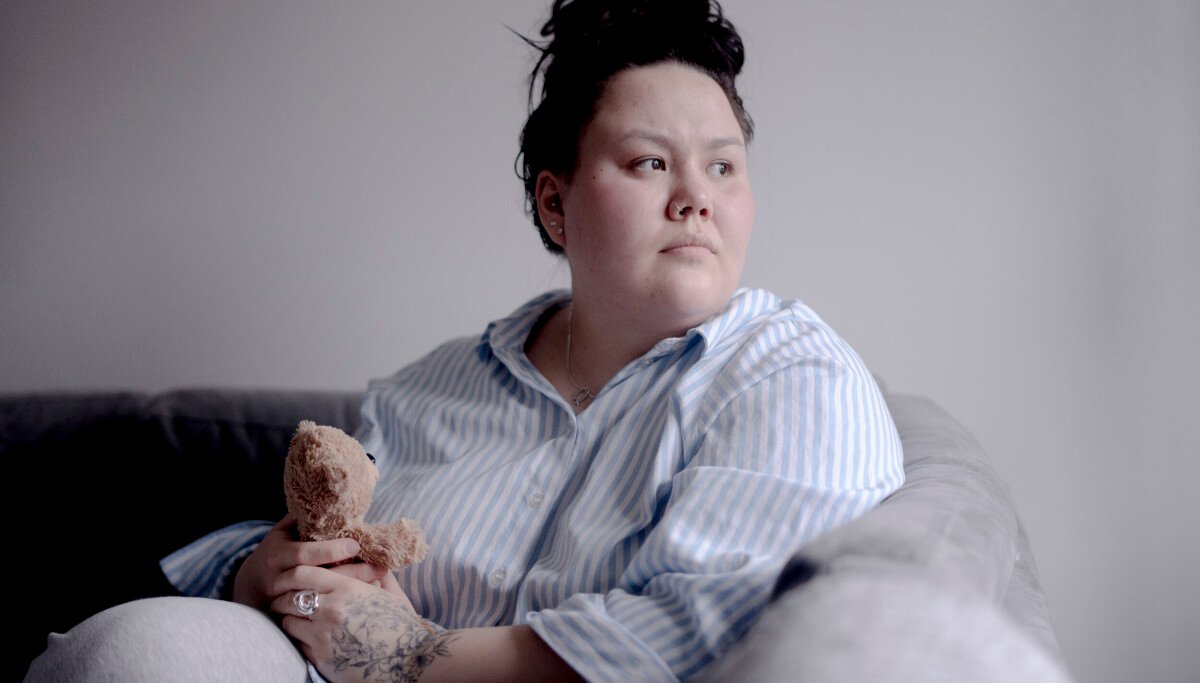
While talking about her brother, Mia Lyberth sits in the corner of the sofa in her apartment. The curtain is rolled down, candles are lit and tea is brought out. Calm, atmospheric instrumental music plays over the TV speaker.
Mia Lyberth feels hot, she says and tries to breathe deep into her stomach.
It is only a little less than three months ago that Qujagi Lyberth committed suicide. Next to the sofa is a box with his things – computer game equipment among other things.
– I’ve had a stomach ache because I knew you were coming today, she says to Sermitsiaq’s journalist.
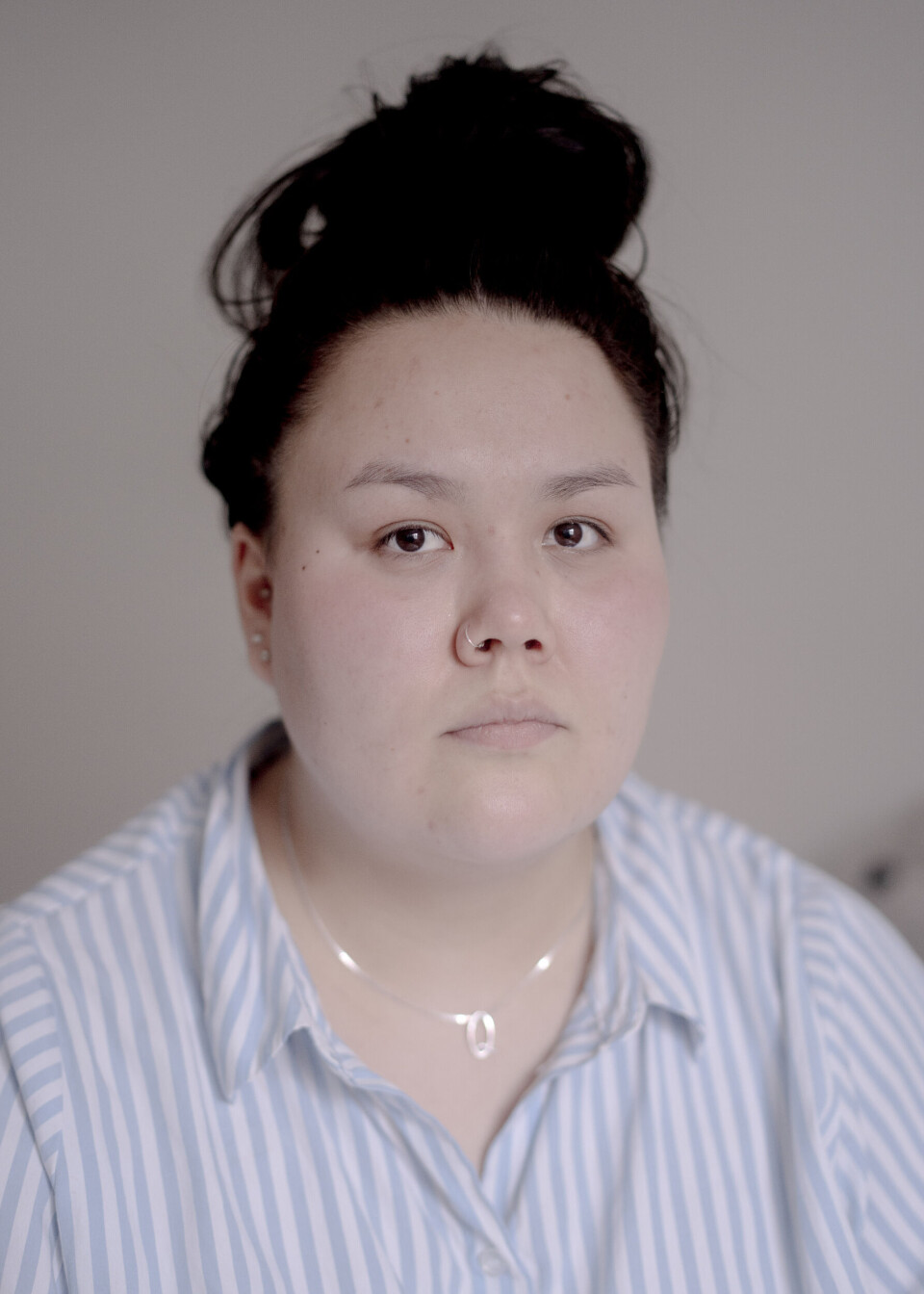
Although Mia Lyberth has been very open about her brother’s death to both friends, family and her workplace, it is something else to talk to a journalist about it.
– But I was glad that you contacted me. Because there are so many people in Greenland who have experienced this, and they should not feel alone, she says.
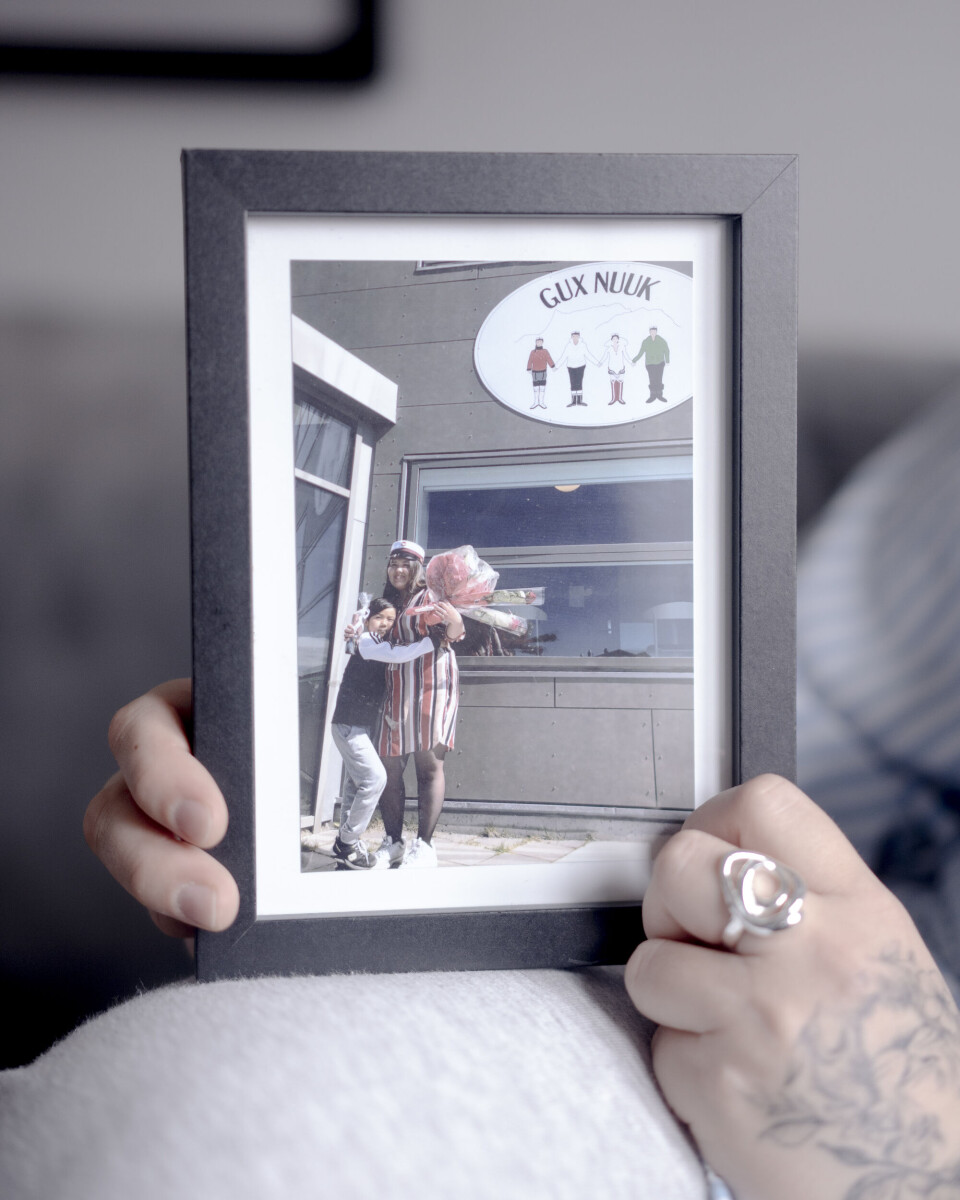
Mia Lyberth sits with her legs close to her. On the living room table are several framed pictures of her little brother, which she has taken down from the bookshelf where they usually stand.
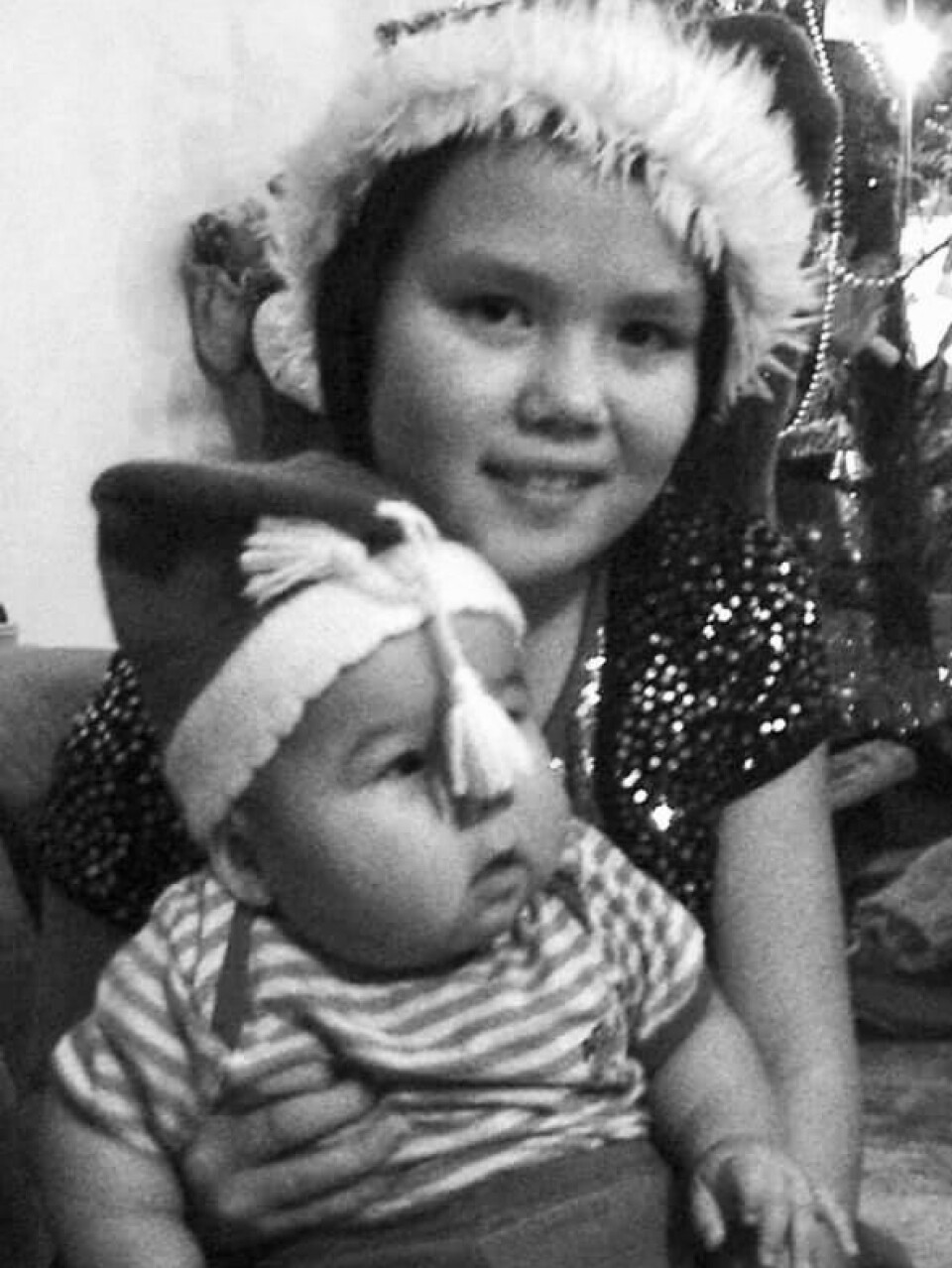
Qujagi Lyberth was born on July 15, 2010, five days after Mia Lyberth’s 9th birthday.
As children, their birthdays were merged and their grandmother always held coffee parties to celebrate them.
It was also with her and their grandfather where the two siblings grew up. Their parents drank too much and couldn’t take care of them.
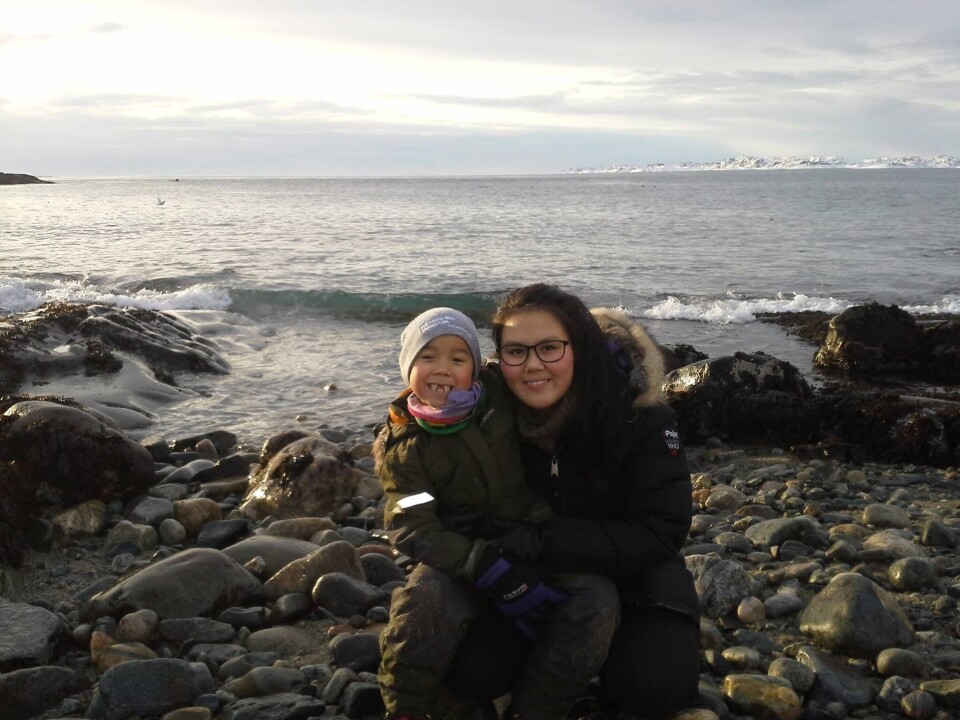
– My brother and I have always been very close, says Mia Lyberth.
When Qujagi Lyberth was seven years old, he came into the care of a foster family. After a year he moved to an orphanage. He then lived in various orphanages, before at the end of 2023 he ended up in a residential institution for children between 12 and 18 years of age.
Qujagi and Mia Lyberth’s grandfather died of cancer in 2013, and two years ago their grandmother died.
Mia Lyberth moved away from home in 2021, when she was 20 years old. Today she is 24 years old and works daily at an orphanage in Nuuk for children between 4 and 8 years old.
For several years, Mia Lyberth tried to find ways to help her brother. She has seen on other children how ADHD medication can help.
– I have been down to the municipality and I have spoken to his case handlers and his department heads, she says.
– The older my brother got, the more problems he had. And I had always thought that if I could get him some ADHD medication it might help calm him down a bit and make him feel better.
Over the summers of last year, Qujagi Lyberth got worse. He started taking drugs and said he had suicidal thoughts – something he hadn’t talked about before.
Mia Lyberth took it very seriously.
In December, she asked the head of the institution where Qujagi Lyberth lived if they couldn’t try to take him to Denmark and get some help there.
– I thought that the system in Denmark might be able to help my little brother. Because here it went much too slowly, she says.
On 4 January, after spending three weeks over Christmas with his sister, Qujagi Lyberth – accompanied by the head of department and an employee from his residential institution – flew to Denmark.
– He’s dead
In Denmark, Qujagi Lyberth spent time both at Sydfyn and at a private hospital in Aarhus. He and Mia Lyberth called together almost every day.
– We talked about everything, and he always told us what he had spent his days doing.
Among other things, he drove a lot of go-karts while he was in Denmark – and, as always, played football and computers.
It was actually intended that Qujagi Lyberth should only be in Denmark for a month, but he could not leave until he had had the last talks with the doctors.
The month of February passed and then it was March.
– I could tell that he was a little sad because he was homesick. I used to tell him that he should probably come home soon and reminded him why he was in Denmark, says Mia Lyberth.
– He understood that well.
In the first week of March, Mia Lyberth was in Kapisillit with her colleagues and the children at the orphanage where she works on a daily basis.
– I never really thought that my brother would commit suicide. Because he has told me several times that he wouldn’t do it. But this time I had a feeling that something was wrong.
During Friday, March 13, she called her brother several times and asked how he was doing. He said he was ok, but Mia Lyberth was worried. She went to bed with an upset stomach.
She woke up the next day to several messages from people writing that her brother had disappeared. The staff had searched in vain and the police had been contacted.
It was not unusual for Qujagi Lyberth to run away. They should probably find him again, Mia Lyberth kept telling herself.
At one point her phone rang. It was the police. They had found her little brother.
He was dead, they said.
Mia Lyberth cannot remember what happened the rest of the day or the following days.
Nothing taboo
Qujagi Lyberth was buried in Nuuk on 1 April.
Back in March, three days after his death, Mia Lyberth landed in Copenhagen with her great uncle. They took the train from Copenhagen to Aarhus and visited the chapel a few days later where her brother lay.
– I have those days when I can’t believe he’s gone. He is dead now, but I miss him very much, says Mia Lyberth.
Her voice cracks and her eyes are wet.
– I think it was a shame that I couldn’t help him. After all, he was only fifteen years old.
Mia Lyberth got crisis help from the municipality soon after her brother’s death, and also went to see a psychologist while she was in Aarhus.
– I was in shock and also had to take some medicine, because I wasn’t myself for the first two weeks, she says.
In addition to psychological help, she has also received support from her great-uncle, whom she calls qeeqqii, and close friends.
– It has been hard to talk about, because I have had difficulty accepting it.
But Mia Lyberth slowly began to share her feelings with the outside world – also on social media, where she has shared long posts and pictures of her brother.
How does it feel to say it out loud?
– It gets easier. The pain lessens and I get the feeling that I am helping other people, she replies.
Mia Lyberth has attempted suicide several times. She has lost a close friend years ago, and in 2024 Mia Lyberth survived her own suicide attempt. Something she later told about in Niviaq Korneliussen’s podcast.
– I myself have been there where I did not tell others about the feelings and thoughts I had, she says and adds:
– But it’s not taboo.
Shit system
Mia Lyberth has been extremely angry at the lack of help that only came when it was too late. She still is.
– The system is just crap, she says.
Last year, naalakkersuisoq for health and persons with disabilities stated, that around 500 people are on the waiting list for an investigation in the psychiatric system – a large part with a view to a possible ADHD diagnosis. A large part with a view to an ADHD investigation.
Out of the 500, approximately 100 children and young people were registered on the waiting list.
Sermitsiaq knows of several people who have been on the waiting list for an ADHD diagnosis for at least two years.
When Sermitsiaq talks to Mia Lyberth, she has just started working again. She lives with the grief and loss of her brother and takes it one day at a time. It is hard, she says.
– But I also have days when I feel stronger, she says.