A number of members of the Governance Track within the Structured Dialogue have voiced reservations about both the dialogue process and its outcomes, saying that discussions held within the track were not presented to the other tracks, nor were participants given access to the outcomes of the remaining tracks despite the UN mission’s assertion that they were interconnected.
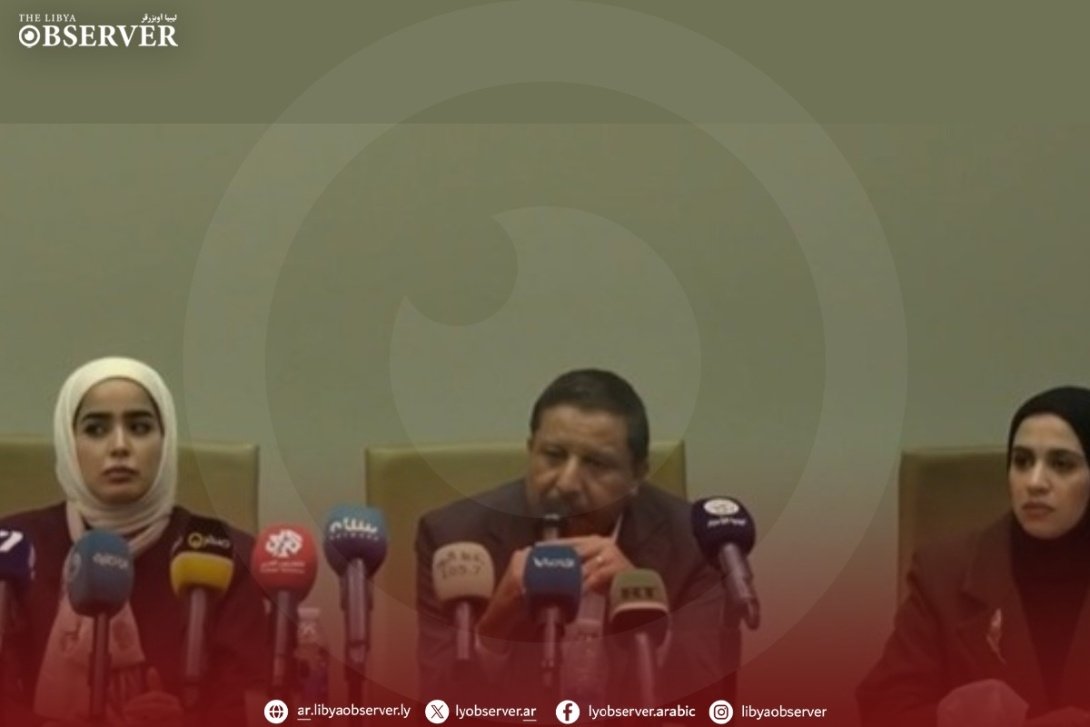
Speaking at a press conference, the members said they were surprised from the outset of the sessions by a push toward establishing a new dialogue committee based on Article 64 of the Political Agreement. They stressed that they represent a range of political currents and do not support any particular government.
They said the primary objective of the dialogue was to end the transitional phases and pave the way for general elections, arguing that UN mission involvement in several discussions undermined the process’s fully Libyan character.
The members also rejected proposals involving the UN mission or the international community in Libya’s constitutional and electoral processes, including granting the mission a seat within the High National Elections Commission or having the UN Security Council adopt a constitutional basis for the country.
They warned that some proposed outcomes affect national sovereignty and national security and could open the door to foreign interference. They also expressed reservations about creating a new executive authority with an extended mandate that could prolong the transitional period.
The members further rejected referring the constitutional basis and legislation to committees operating under international supervision, declaring that they bear no responsibility for any outcomes that do not reflect their positions and reiterating their commitment to free elections that would bring Libya’s transitional stages to an end.