July 1, 2026, 5:51 p.m
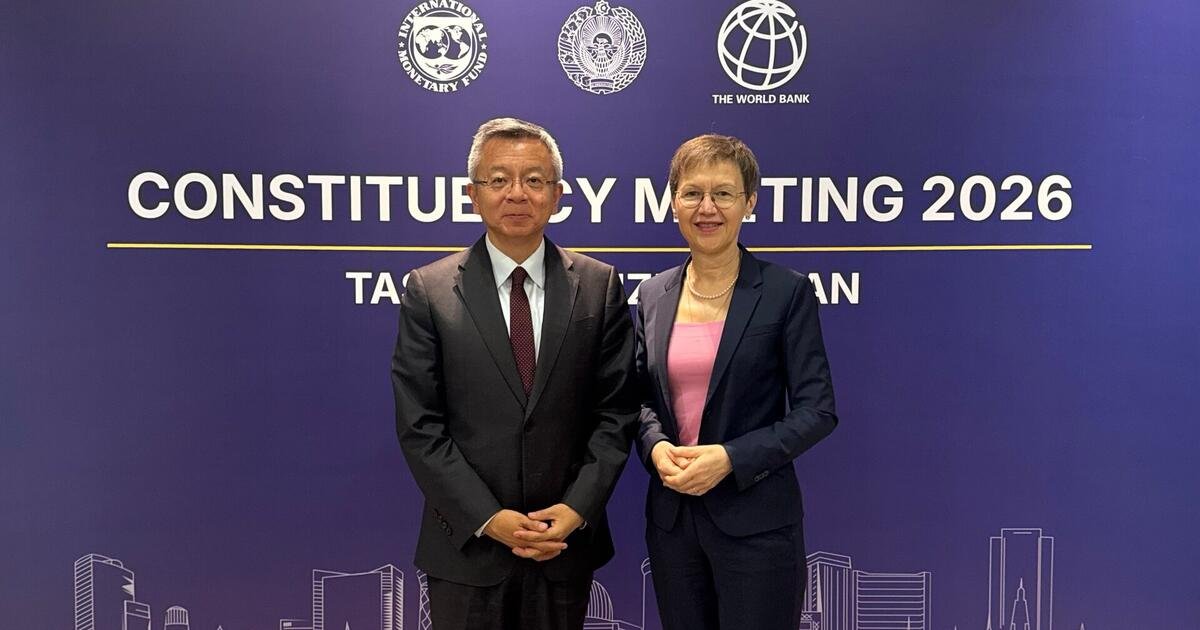
The Swiss-led constituency at the Bretton Woods Institutions meets every two years outside of Washington DC in one of the nine countries in the constituency. The governors and other representatives of the finance ministries and central banks of the states, institutions and academic partners take part. This year the meeting took place in constituency member Uzbekistan, the most populous country in Central Asia.
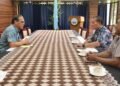
A number of bilateral discussions took place during the meeting. Among others, Prime Minister Brigitte Haas exchanged bilateral views with the Deputy Prime Minister and Finance Minister of Uzbekistan, Jamshid Kuchkarov, the President of the Swiss National Bank, Martin Schlegel, the Deputy Managing Director of the IMF, Bo Li, the Chief Economist of the British central bank Bank of England, Huw Pill, and with Cédric Tille, Professor of the Geneva Graduate Institute. In addition, the informal discussions, including with the heads of the voting group’s office, the representatives of the Swiss State Secretariats for Economic Affairs (SECO) and for International Financial Affairs (SIF), the representatives of the Polish Ministry of Finance and the Polish Central Bank and the other countries in the voting group, are of great importance.
A number of thematic forums on monetary and trade policy issues were held. Prime Minister Haas spoke at a panel discussion on regional and global cooperation about the experiences of the export-oriented Liechtenstein economy. «The joint commitment to rules-based trade and good economic partnerships are all essential success factors for small and open economies like Liechtenstein»said Prime Minister Haas. She further emphasized that economic resilience, stable public finances and a rules-based international regulatory framework are key prerequisites for sustainable growth.
The voting rights groups at the IMF
The member countries at the IMF are each assigned to one of currently 25 constituency groups, which represent them vis-à-vis the IMF and thus assume an important interface function between the national authorities and the IMF. This affects both day-to-day business, the handling of the Article IV consultations and decisions on IMF support programs. Liechtenstein belongs to the Swiss voting group led by Switzerland and Poland, like eight other countries from Europe and Central Asia. (ikr)