Poland is still waiting for its first nuclear reactor. Meanwhile, our southern neighbors are wasting no time. The Czechs have just signed a contract for the construction of two new nuclear units, acquired a stake in a British company producing small reactors, and are preparing to generate more than half of their total energy needs from nuclear power. The effects will be felt on both sides of the border.
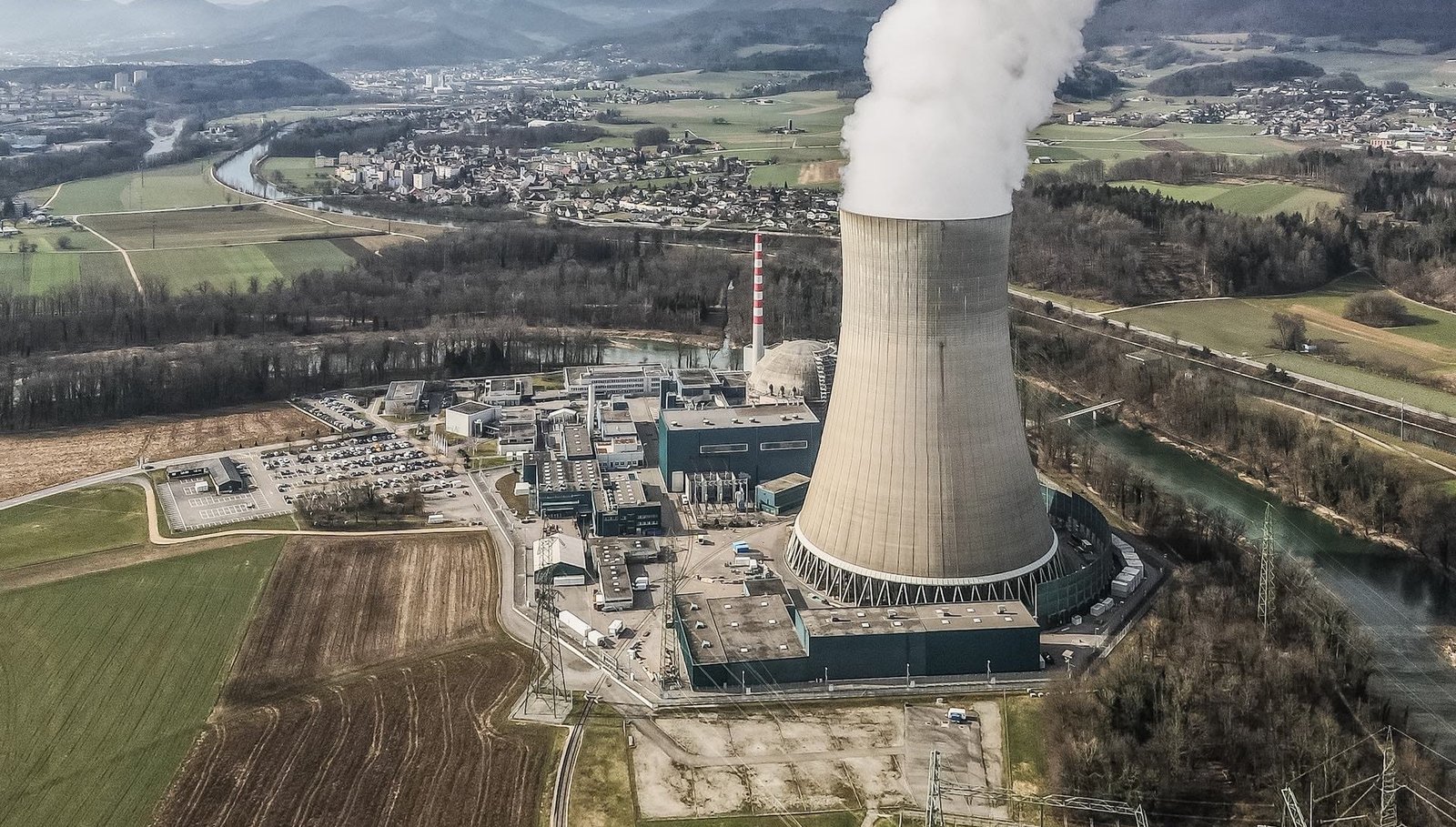
Dukovany, four reactors, nearly 200 kilometers from the Polish border. The plant has been operating continuously since 1985 and today supplies about one-third of all electricity consumed in the Czech Republic. However, this is not a story about an aging power plant nearing closure. Our southern neighbors have decided to double down.
Contract signed, $19 billion at stake
After the conclusion of legal and tender disputes, in June 2025 the Czech Republic signed a contract for the construction of two new nuclear units at Dukovany. The contractor is the South Korean company KHNP, which beat France’s EDF and the American Westinghouse in the tender. The contract is worth 407 billion Czech koruna, or more than $19 billion. Construction is set to begin in 2029, with the first new reactor expected to enter trial operation in 2036. The second unit is to be completed one or two years later. The total capacity of both new units will amount to 2,400 megawatts. In 2026 alone, ČEZ will spend 4.4 billion koruna—around €180 million—on modernizing the existing Dukovany units.
But that’s not all. The new units in Dukovany are only half of the Czech plan. The agreement with KHNP includes an option to build two additional reactors at the Temelín power plant in South Bohemia. If this option is exercised, the Czech Republic will have a total of six new nuclear units. In such a scenario, nuclear energy could cover more than half of the country’s electricity demand.
Small reactors, big ambitions
The Czechs are not stopping at large-scale reactors. In October 2024, ČEZ acquired a 20 percent stake in the British company Rolls-Royce SMR and entered into a strategic partnership to build small modular reactors with a total capacity of up to 3 gigawatts. In April 2026, the two companies signed a contract for early preparatory work for the construction of the first SMR at the Temelín site. ČEZ CEO Daniel Beneš announced that the company aims to obtain all permits by 2030. According to Beneš, the first Czech SMR is expected to be the second reactor of this type built by Rolls-Royce in Europe, following a planned project in the United Kingdom. Each Rolls-Royce SMR unit is designed to deliver 470 megawatts of capacity—enough to power hundreds of thousands of homes for at least 60 years.
Poland watches as others build
What does this mean for Poland? Above all, one thing—by the time Poland plans to launch its first domestic reactor in Choczewo in 2035, the Czechs will already be completing commissioning, not just beginning. The difference in electricity prices, already noticeable, may deepen further. Energy-intensive industries, currently weighing Poland against the Czech Republic when choosing locations, will gain yet another argument in favor of our southern neighbors.
Czech nuclear expansion is also a signal for the entire region. Hungary, Slovakia, and Romania are all investing in new reactors. Poland, surrounded by a nuclear ring, is still at the stage of preparing documentation. The question of whether we will catch up before cheaper Czech energy begins shaping prices across the Central European energy market remains unanswered—but it is becoming increasingly difficult to ignore.