A cable to more than 20 US embassies from Argentina and Mexico to Italy and Albania was sent by the US State Department in mid-June. It requested information on left-wing extremist groups, reports The Washington Post.
Several embassies have responded, but none have said they agree with the administration’s assessment of the threat level.
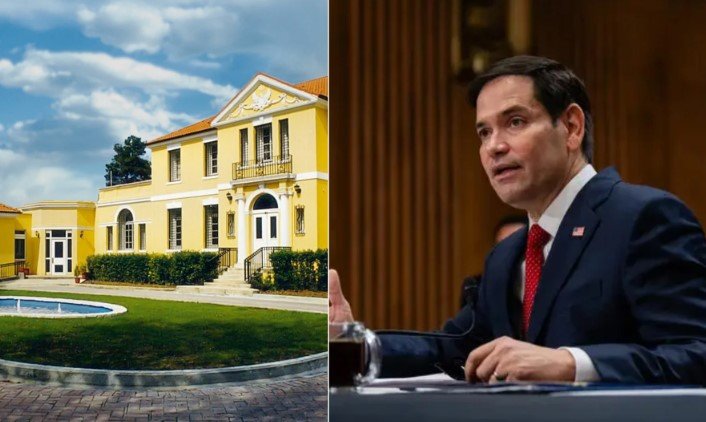
But they value the USA differently. Secretary Marco Rubio has invited senior ministers from more than 60 countries to a meeting next week to discuss what the Trump administration considers a major threat: “the return of transnational far-left terrorism.”
The meeting has caused concern among current and former US officials, European allies and independent analysts, who do not see the threat the same way. Some US officials told the paper they fear it is part of an effort by the Trump administration to use powerful counterterrorism tools against US activists it considers left-wing extremists.
State Department spokesman Tommy Pigott said the meeting was organized because far-left terrorism is “an old threat that is making a comeback with strong transnational ties and new forms of cooperation.”
“Because this threat has not been adequately addressed in the past, any commitment, announcement or security assistance program creates a multiplier effect that supports measures against this phenomenon, both domestically and abroad,” Pigott stated.
In some meetings of national security officials, intelligence analysts have declined to report on Antifa because they do not consider it a serious threat to counterterrorism, according to a person familiar with the matter.
Antifa, short for “anti-fascist”, is a decentralized movement without a clear command or leadership structure, encompassing a wide range of ideologies, mostly left-wing, from anarchism to communism. Unlike the leftist extremist groups of the 1960s and 1970s, Antifa does not publish manifestos or take responsibility for its actions.
Even some foreign governments have expressed surprise at Rubio’s invitation. Speaking on condition of anonymity, European officials called the objective of the meeting unclear and criticized the announcement in a very short time. The invitation was sent out last week and responses were requested by this Friday.
Some of them said their countries’ foreign or interior ministers are not expected to attend because of their busy summer diplomatic agenda, which includes the annual security conference in Aspen, Colorado.
Some diplomats said they did not understand why they had been invited.
“We don’t have Antifa,” said one European diplomat.
“We see no reason why we would be interested in attending such a meeting,” said another.
“Our law enforcement authorities are not focused on far-left terrorism because it is not considered a priority threat in our country,” said a third diplomat.
The guest list, reviewed by The Washington Post, includes most European countries, the largest Latin American countries and several Asian countries, including India, Indonesia and Singapore. The State Department did not respond to questions about what criteria this list was based on