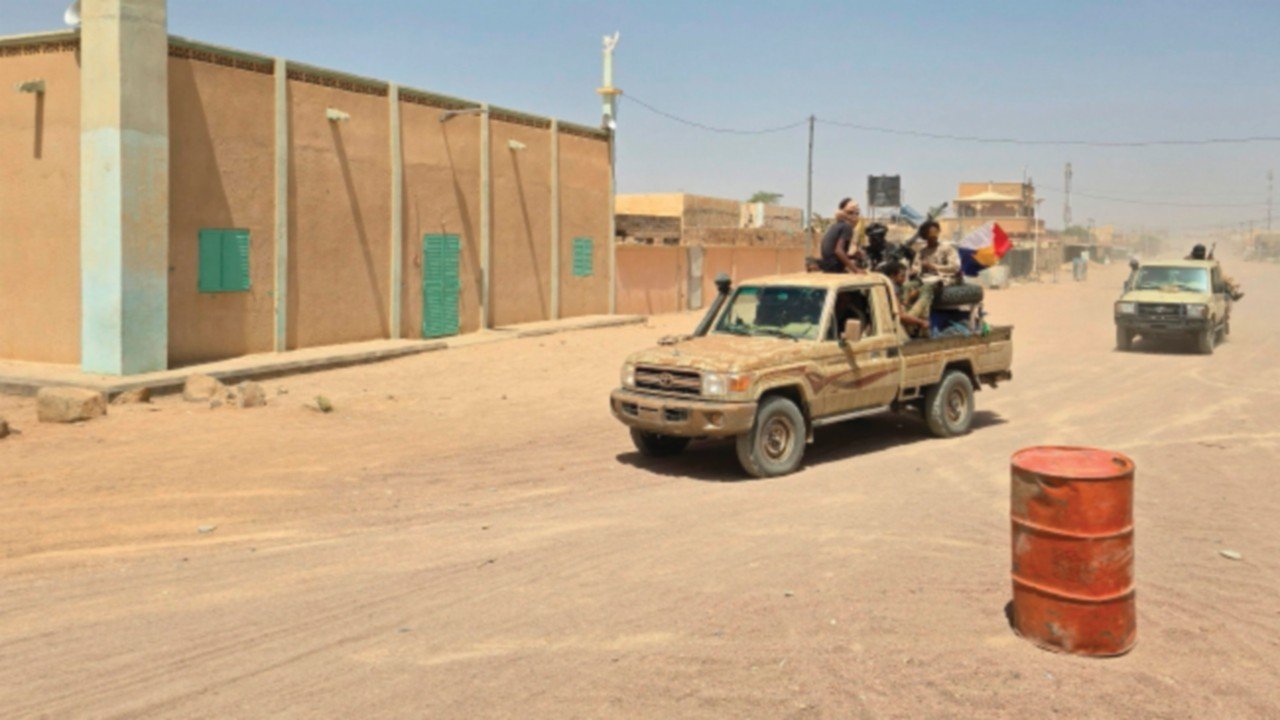
Considered a strategic node in the geopolitical balance of West Africa, Mali – a country in the central Sahel – is going through a phase of strong instability due to the intensification of attacks carried out by jihadist groups and Tuareg militias against government forces. The offensives, often coordinated or concurrent in different areas of the north and center of the country, highlight the persistent fragility of the Malian state, already weakened by years of internal conflicts, coups d’état and difficulties in controlling the territory.
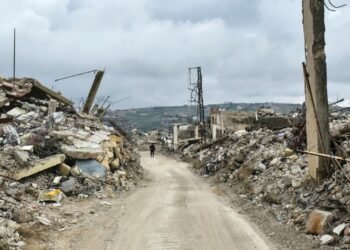
According to experts, these are the most serious and significant attacks in over a decade and the episodes of violence involved both the capital, Bamako, and the important cities of Kidal and Mopti. The defense minister, Sadio Camara, was killed in the city of Kati and the head of the secret service, Modibo Koné, also died during the raids, a sign of the scale and precision of the offensives. Kidal has fallen under the control of jihadist forces, who have captured settlements and military bases.
Jihadist forces have been active for years in the Sahel region, in nations such as Mali, Burkina Faso and Niger and the violence committed has caused thousands of victims and forced hundreds of thousands of people to abandon their homes. The Sahel countries are among the poorest in the world and the clashes affect the economic potential of local economies. The insurgency has also undermined the democratic foundations of the nations involved and between 2020 and 2024 there were coups d’état that brought military juntas to power in Mali, Niger and Burkina Faso. However, the military executives have not managed to contain the jihadist forces who, exploiting the porosity of the regional borders and the large desert spaces that are difficult to control, move between one nation and another, making counter-insurgency activities difficult.
Mali is considered the epicenter of the Sahel crisis because it was here that jihadist groups began to consolidate their presence in 2012, taking advantage of the independence insurrection of the Tuareg, a population living in the north of the country. At first, France, a former colonial power of the Sahel countries before their independence, provided military support to Mali; however, with the establishment of military governments following the coups d’état, the juntas in power have progressively oriented their foreign policy towards closer collaboration with the Russian Federation.
The Sahel security crisis amplifies the many vulnerabilities to which the local population is exposed. United Nations Secretary António Guterres expressed concern for the 5 million Malian citizens in need of humanitarian aid. In 2022, over 19 percent of citizens earned less than 2 and a half dollars a day, the threshold below which people live in conditions of absolute poverty and in the same year only 45 percent of the population had access to basic health services and 48 percent had access to electricity. Agriculture is the most important activity for the country’s economy but climate change and the growth of desertification hinder activities. The conflict has forced many people to abandon their homes, depriving them of a stable income and a place to live. The poor conditions of the population do not benefit from the local mineral riches. The oil, gas, gold and lithium mines deposits contribute to making Mali strategic in the continent’s geoeconomy. The same goes for Niger, rich in uranium, phosphates and gold and for Burkina Faso, one of the largest gold producers on the continent but where manganese, zinc and phosphates are also present.
The evolution of jihadist guerrilla warfare in the Sahel has humanitarian, economic and strategic implications that concern West Africa. The presence of terrorist groups in several nations of the region and the widespread vulnerability of local democracies, often undermined by bad governance and the presence of authoritarian forces, could cause a further expansion of terrorism over the next few years if the Sahel crisis is not resolved quickly. (andrea walton)