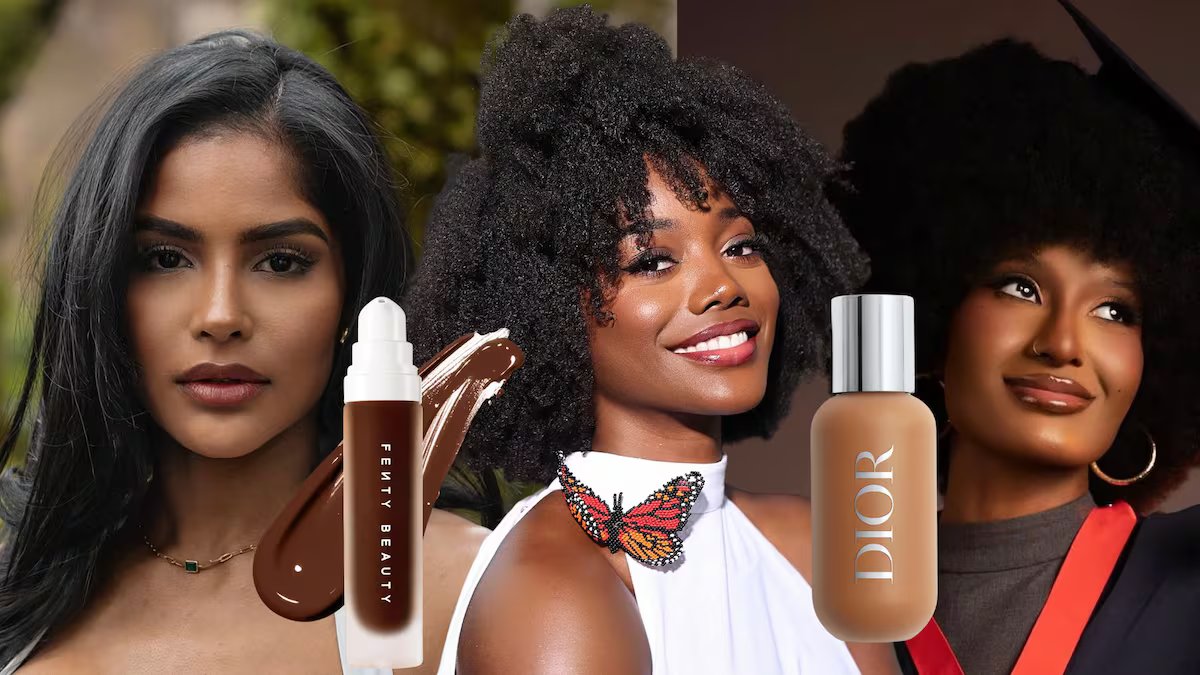
One of the first times I had professional makeup done was when I was 17, on my prom day. With my dress prom Ready and ready, I eagerly arrived at the beauty salon that a friend recommended to me so they could do my makeup and hair for the party.
40 minutes after sitting in the makeup artist’s chair, after dozens of brush strokes on my skin, I saw the final result in the mirror: smoky eyes, pink lips… and a whitish, almost grayish face.
15 years have passed since that episode. This 2026, just a month ago, I sat in front of a makeup artist again for a work event that required stage makeup. The result? A foundation lighter than my skin tone. There was no darker option in their kit. Fortunately (or maybe not) since I was 17 I learned to always carry a foundation of my tone in my purse. You might think so, but the ghost of the grayish face, in Panama, does not completely disappear.
Finding the right foundation can be a process of trial and error, even more so in dark skinwhere the available ranges do not always reflect real diversity. However, for many black women In the country – like me – the conversation has evolved. Today there are more options, but also shared stories.
The model, stylist and businesswoman from Colon Erika Parker summarizes that journey in stages: “from a gray disaster to having to learn how to buy my perfect shade on-line“, he said in an interview with THEY.
He grew up in a province mostly Afro-descendantbut still remembers that “there were simply no products for my tone.” For years, mixing foundations was part of her routine: “it was normal to have to buy two shades…so as not to see myself red, gray, orange, very dark or very light.”

Erika Parker, model, stylist and businesswoman from Colon. Photo. Courtesy.
This adaptation exercise also marked the model’s experience. Nicole Pinto. She mixed tones to achieve one close to her skin, but the result was not always what she expected: “sometimes it worked and other times not so much… I could end up gray or very reddish,” she recalled.
Both agree that the offer has improved over time. Pinto points out that a decade ago most of the foundations found in stores were much lighter, while today he perceives “more variety both in shades and prices“As Panamanians we are in our best stage in makeup,” says Erika.
Still, challenges persist, especially in professional work. The stylist from Colon admits that she developed a certain distrust: “I have trust issues with the foundations and the makeup artists.” She remembers an experience in 2017, after a production: “I left the place and when I saw myself in a mirror on the street, I was completely gray.” Since then, she prefers to wear her own foundation or prepare her skin on her own.
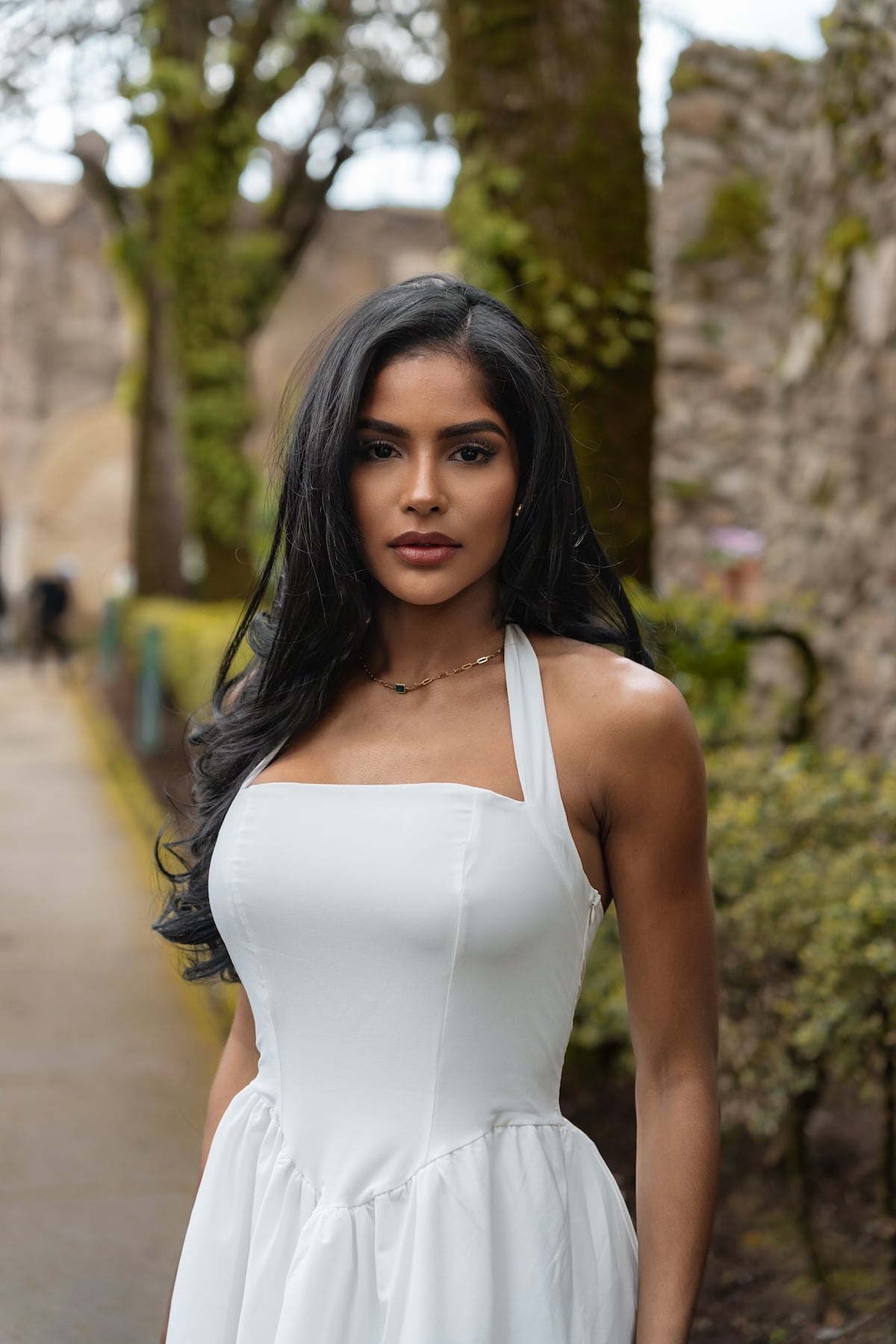
Nicole Pinto, Panamanian model. Photo. Courtesy.
Pinto has experienced similar situations on sets. Her solution has been to anticipate: “if I can, I often do my own makeup to make sure the tone is perfect.”
For the content creator and psychologist Genesis Loreknown on social networks as Cruellathe theme has also been constant since its beginnings: “I have been doing makeup since I was 13 and it has definitely taken me many years to find my correct shade.”
He mentions that, in many cases, the limitation is linked to access: “most foundations for dark women “It is not in the range or interest of low-price brands.”
On social networks, the influencer has made this topic an open conversation: “brands must know that outside of white women there is a market…”
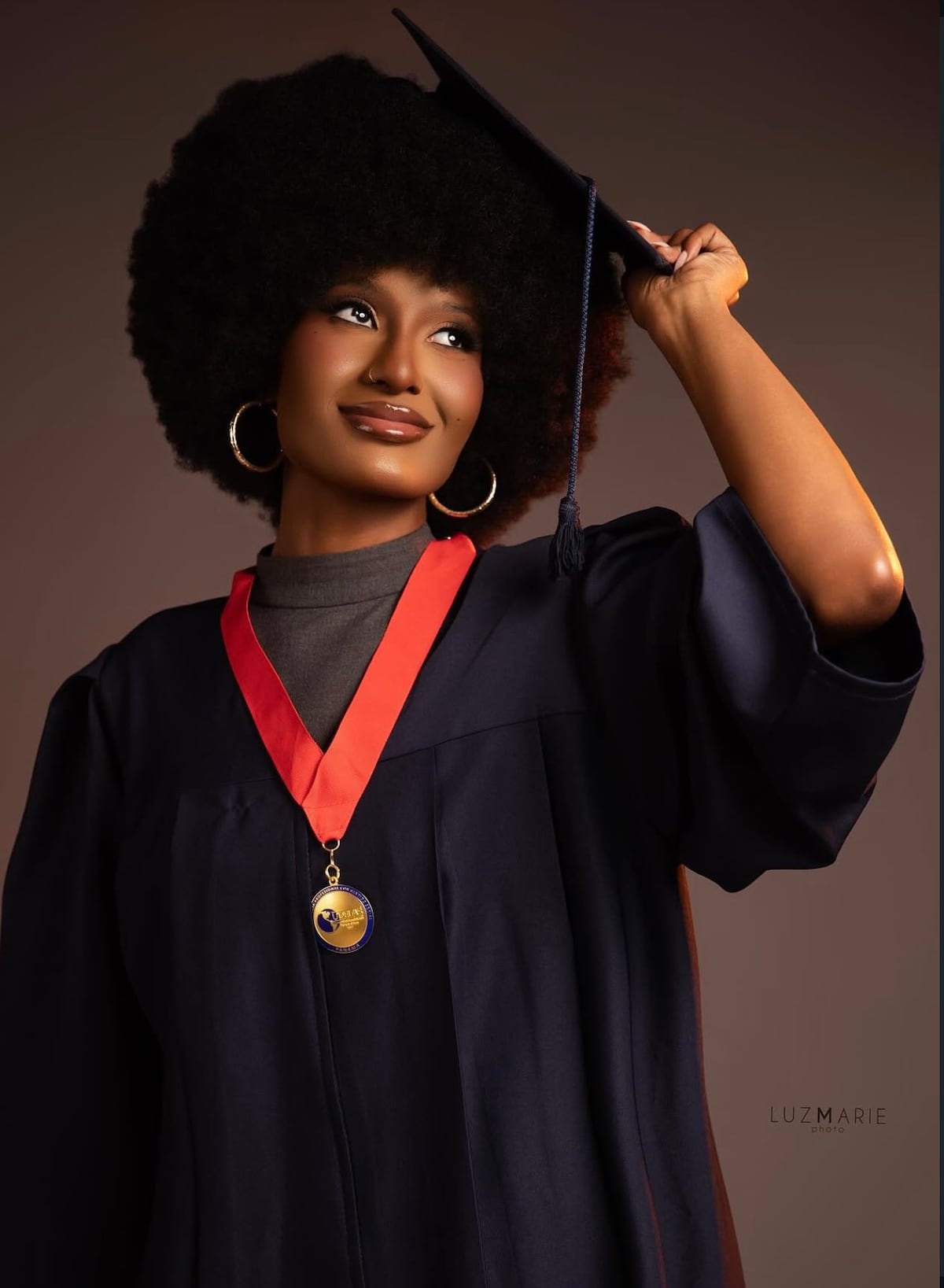
Genesis Lore, known on social media as Cruela. Photo. Courtesy.
Divine skin
As for preferences when choosing your foundation, color is still the starting point. Erika Parker First, look for it to match your color and undertone (warm, cold or neutral). Then factors such as duration, coverage and behavior in the weather come into play.
For her part, Nicole is also looking for a persistent foundation that provides a matte finish, especially for her oily skin type. For Cruela, durability is also key.
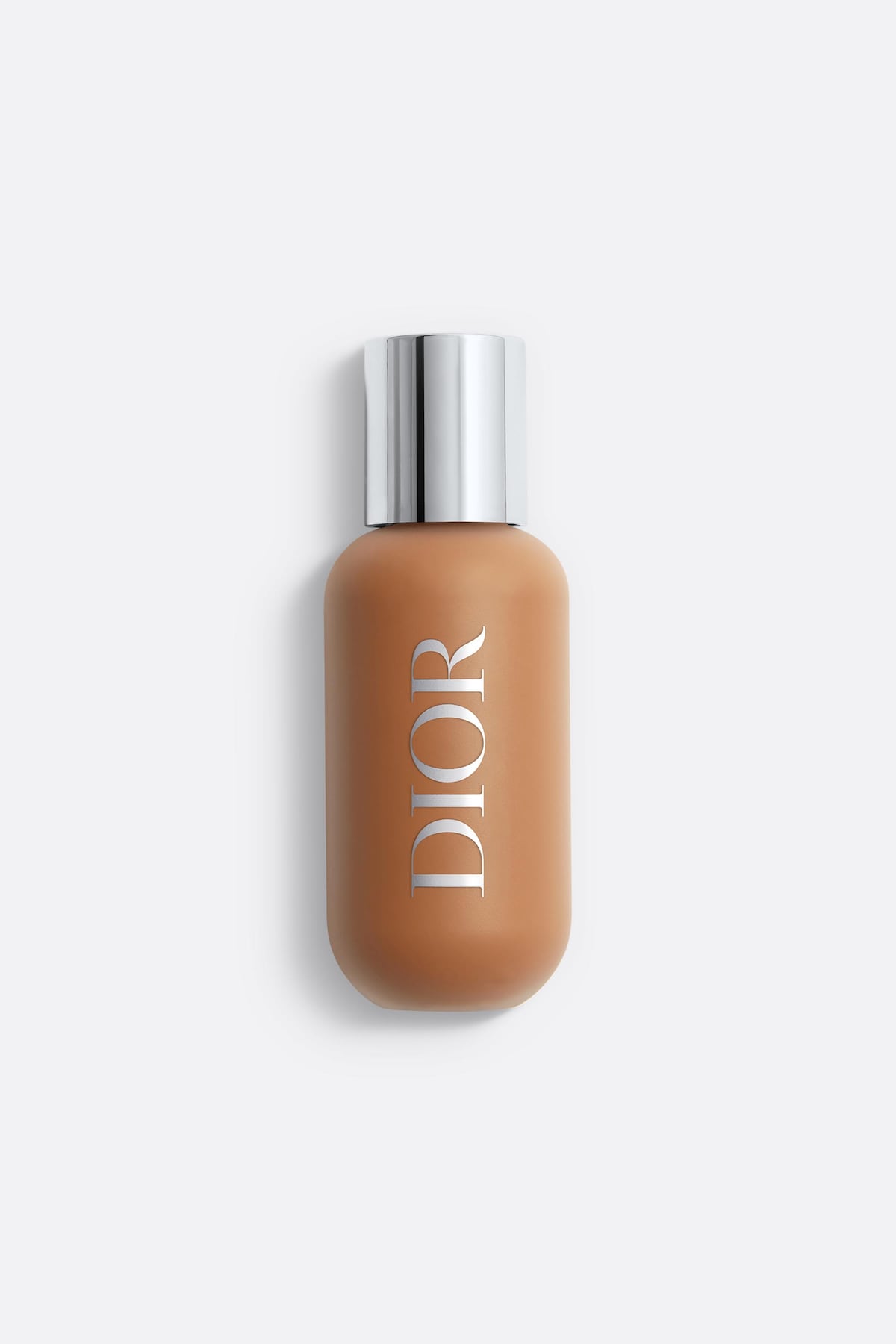
Dior Backstage, shade 6N.
Your current routines reflect that accumulated learning. As for her favorite foundations, Erika has been using them since 2021. Dior Backstage in tone 6N, an option that he describes as “light, buildable and that works very well in my daily life.”
Nicole has been faithful to The Beige of Chanel in Deep tone: “it is light, fresh and does not cause any reactions in me.” Cruella prefers Super Stay of Maybelline New York for its variety of tones and duration. She uses shade 340.
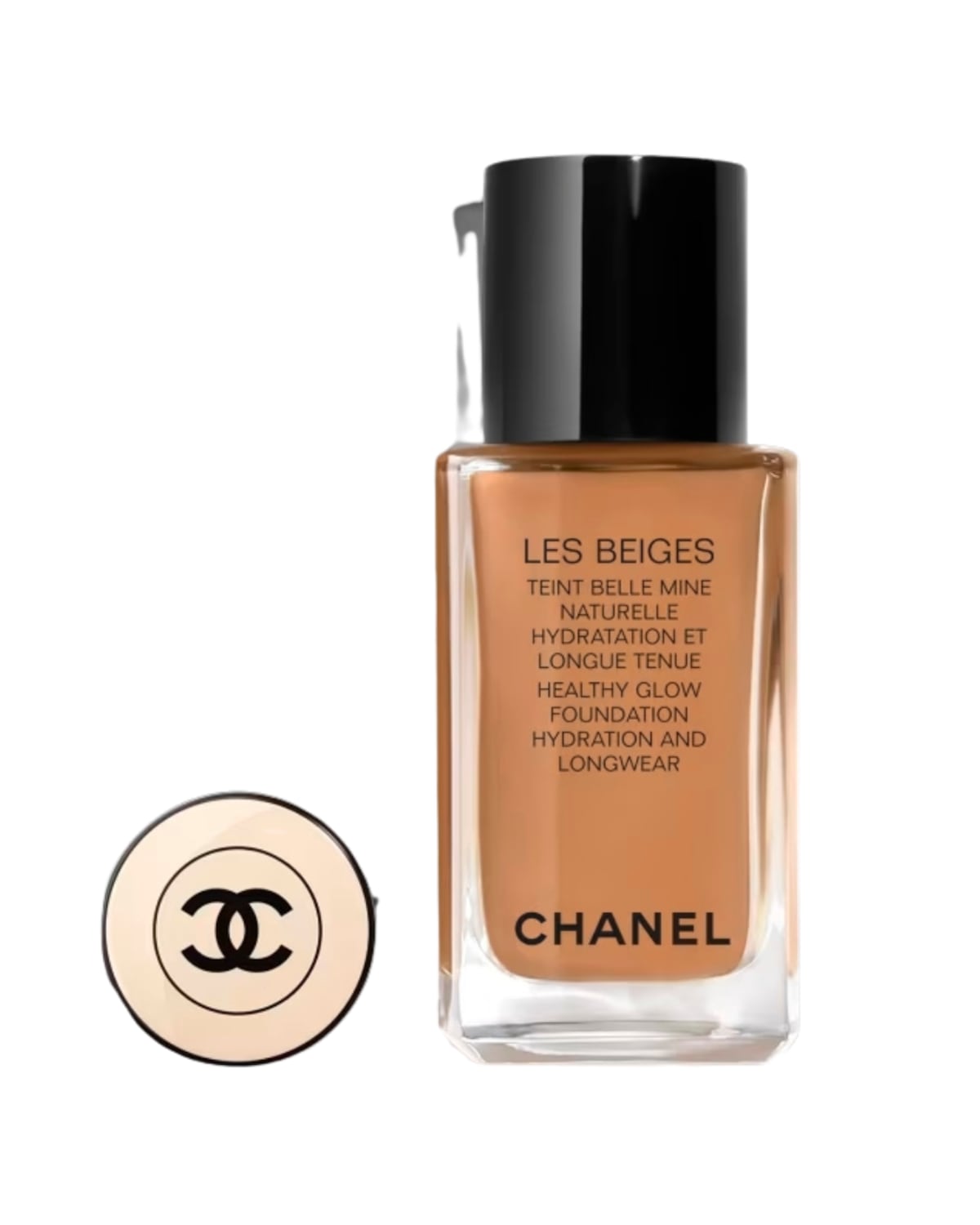
Les Beiges base line, by Chanel.
Meanwhile, between trial, error and learning, many women have built their own solutions. Finding the ideal tone continues to be a personal process, but increasingly accompanied.
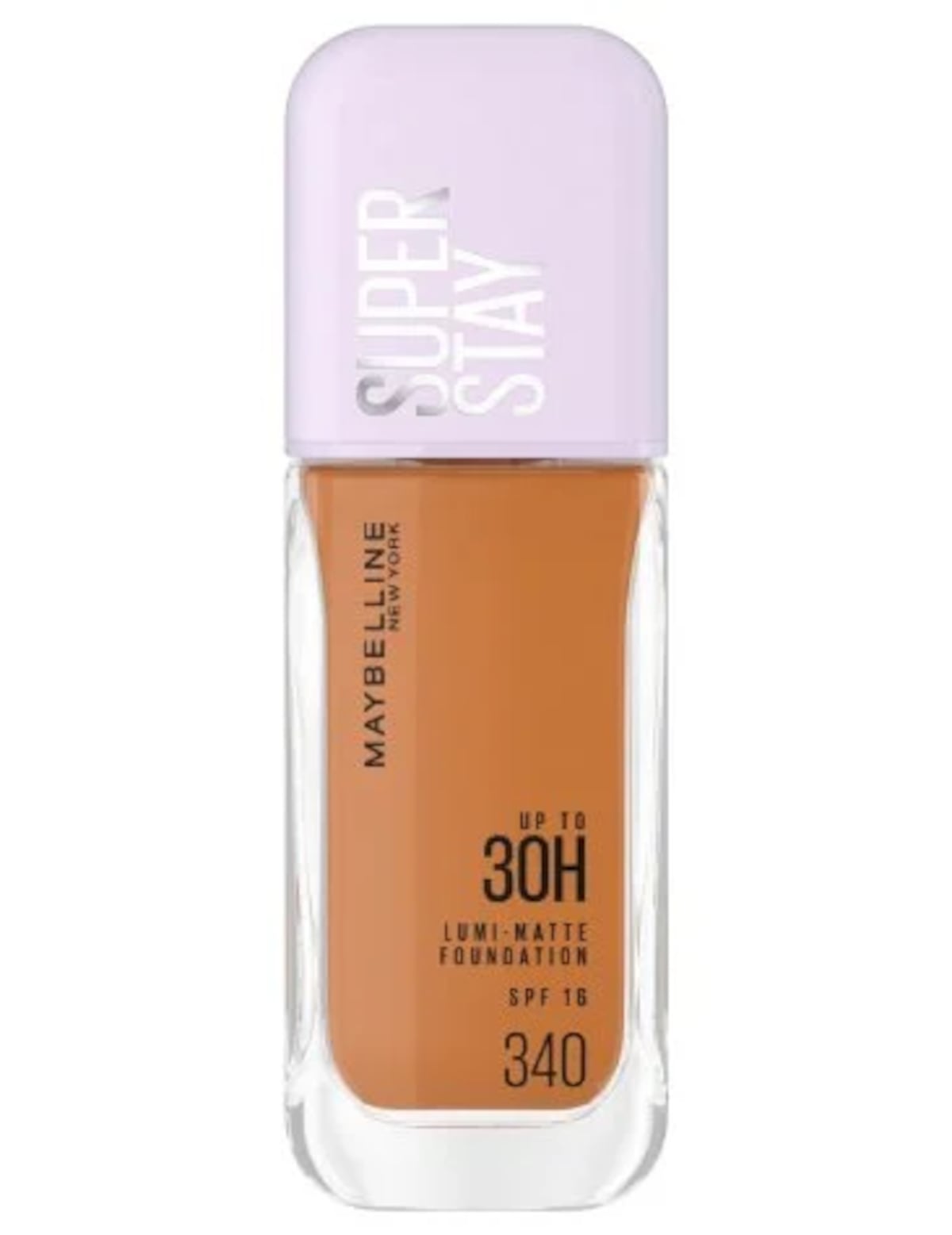
From the Super Stay line, by Maybelline New York.
Expert tips
The makeup artist Revlon, Hector Lozanoexplains that choosing the right foundation begins by identifying the skin tone (light, medium or dark) and the undertone (warm, cool or neutral). He points out that these aspects can be determined with the advice of a professional in the store.
To test the foundation, Lozano recommends applying three lines of different shades in the jaw area and blending them. Then, wait about three minutes to observe oxidation (that is, if the foundation changes tone upon contact with the skin) and evaluate the result in both natural and artificial light.
The makeup artist and fashion stylist Robert Bonner It is recommended to go to the test with clean skin and without makeup. “Before buying, always ask to try on the foundation,” he says, and remember that you should not choose the shade based solely on the color of the container.
Bonner also highlights that the neck is a key point to test the foundation: “when there is no difference between the color of the neck and face, that’s it.” He adds that clean, hydrated and sun-protected skin contributes to a better makeup finish.
In the Panamanian market, there are brands that offer a variety of shades for dark skin. Bonner mentions firms such as MAC, Sasha Cosmetics, Revlon, Clinique and Fenty Beautyoptions available in the country with wide ranges.
Finally, they both agree that calmly testing the product is an essential part of the process. As Lozano summarizes: “The perfect foundation is not noticeable… it feels like your own skin.”