Construction of the long-awaited Fangaʻuta Lagoon bridge has been delayed by unresolved land disputes at ʻUmusī, leaving the project stalled and costing the government millions of paʻanga in penalty payments to the contractor.
As previously reported by Kaniva News, the former government of Prime Minister ʻAisake Eke signed a civil works contract worth approximately US$55 million with McConnell Dowell Constructors Ltd in September 2025.
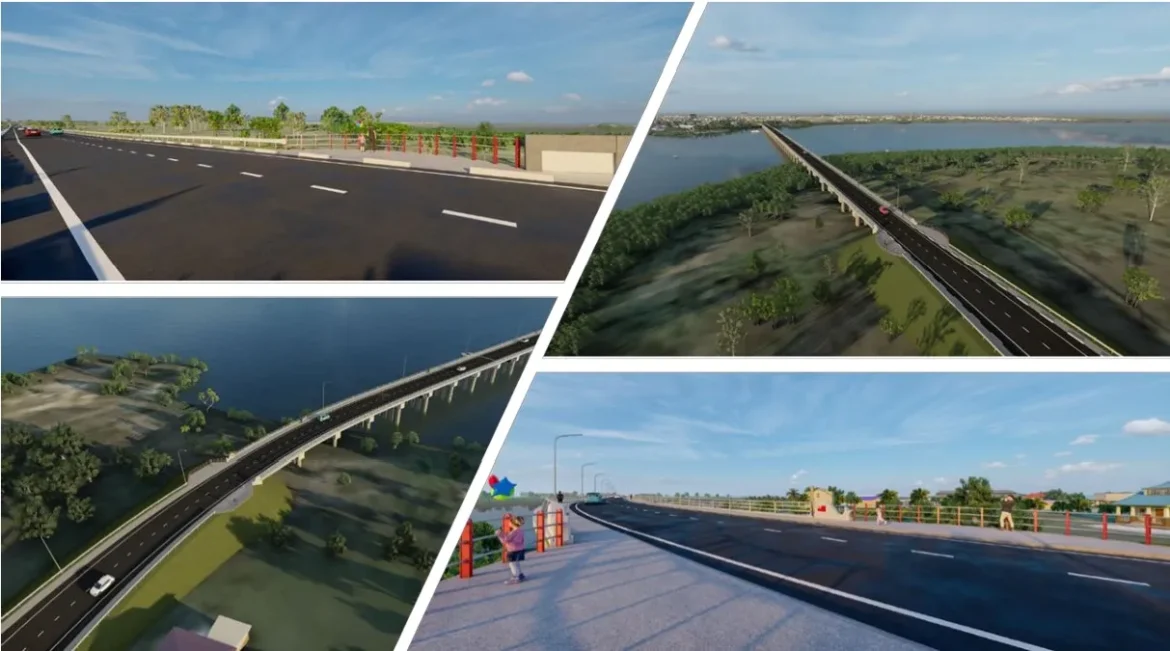
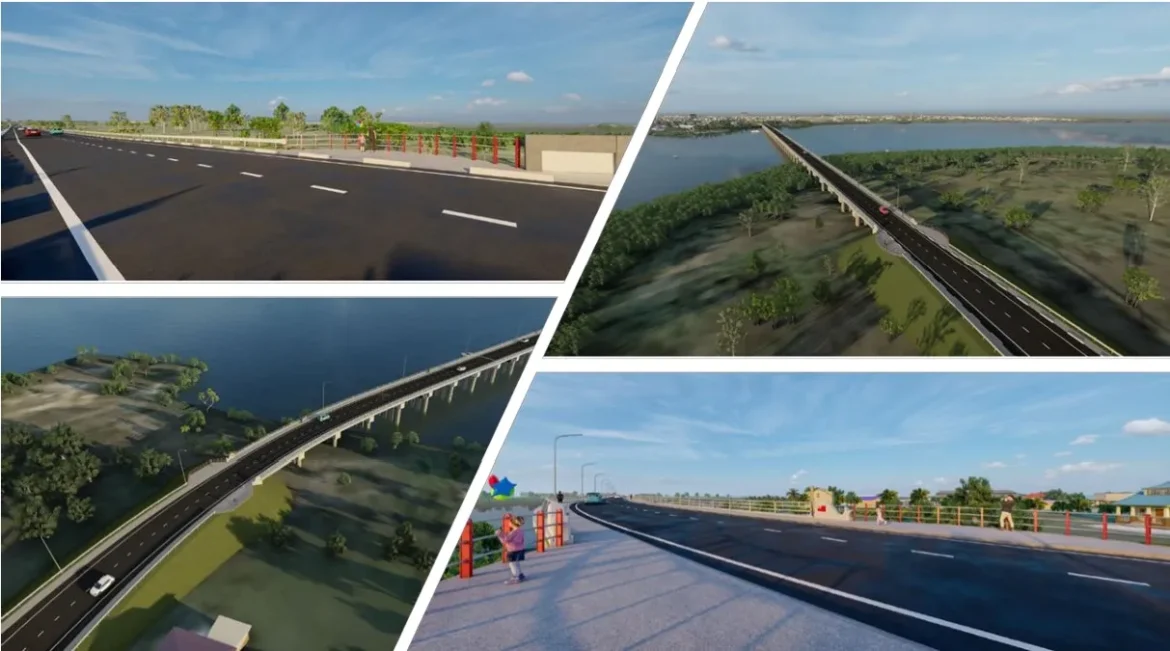
The project involves building a 720-metre bridge across Fangaʻuta Lagoon, along with 2.1 kilometres of approach roads designed to withstand climate change impacts and severe weather events.
Under the contract, construction was expected to begin in October 2025, span roughly three years, and result in the bridge opening by late 2028.
Dispute Stalls Construction
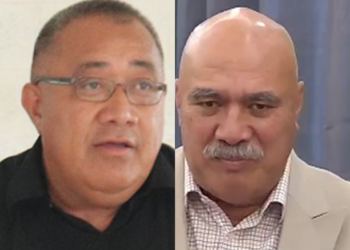
However, the work has yet to begin because lease and compensation disputes involving land at ʻUmusī, where the bridge is expected to commence on its northern side, remain unresolved, Infrastructure Minister Sēmisi Sika told Kaniva News.
He said the southern end of the bridge at Folaha was ready, with no unresolved issues affecting that side of the project.
Sika said Prime Minister Lord Fakafanua, whose estate includes the disputed ʻUmusī land, had recently indicated that the issue could be resolved by adjusting the bridge’s proposed starting point at ʻUmusī.
Sika questioned why previous governments had proceeded with the construction contract without first ensuring that all land issues had been resolved.
Millions Lost To Delays
As a result, the government has incurred substantial financial penalties due to the prolonged delay. Sika said the government paid about $7 million in penalty fees during the six months from September to February 2026.
With land issues still unresolved and construction yet to commence, Sika said the government is likely to incur an additional $7 million in penalties over the next six months, through to August, bringing the total to as much as $14 million.
Sika said the arrangement reflects a standard contractual provision commonly included in major infrastructure projects.
“If the contractor causes the delay, the company pays us. If we cause the delay, we pay the company,” he said in Tongan.
“The Folaha side is ready, but construction cannot begin until the issues surrounding the ʻUmukisia land are resolved.”
The Government is responsible for managing early works and preliminary stages of the project, while funding arrangements involving the Asian Development Bank (ADB), including grant approvals and effectiveness processes, were expected to follow.
The bridge is expected to provide a major new transport link between eastern villages and Nukuʻalofa, reducing pressure on Taufaʻahau main road and helping to ease chronic traffic congestion on the main eastern approach to the capital.
However, until the outstanding land and compensation disputes are settled, construction cannot proceed, leaving the project on hold and increasing costs to the government.