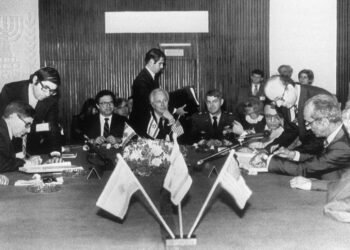
Though devoid of real political power, British monarchs have often served as diplomatic emissaries and agents of influence on behalf of the government in London. In 1957, Queen Elizabeth II was dispatched to Washington to meet President Dwight Eisenhower in an effort to smooth over the embarrassment caused the previous year when the United States condemned the French-British operation to regain control of the Suez Canal. In 1976, during the bicentennial celebration of American independence, Queen Elizabeth II broke protocol by dancing with President Gerald Ford at the White House.
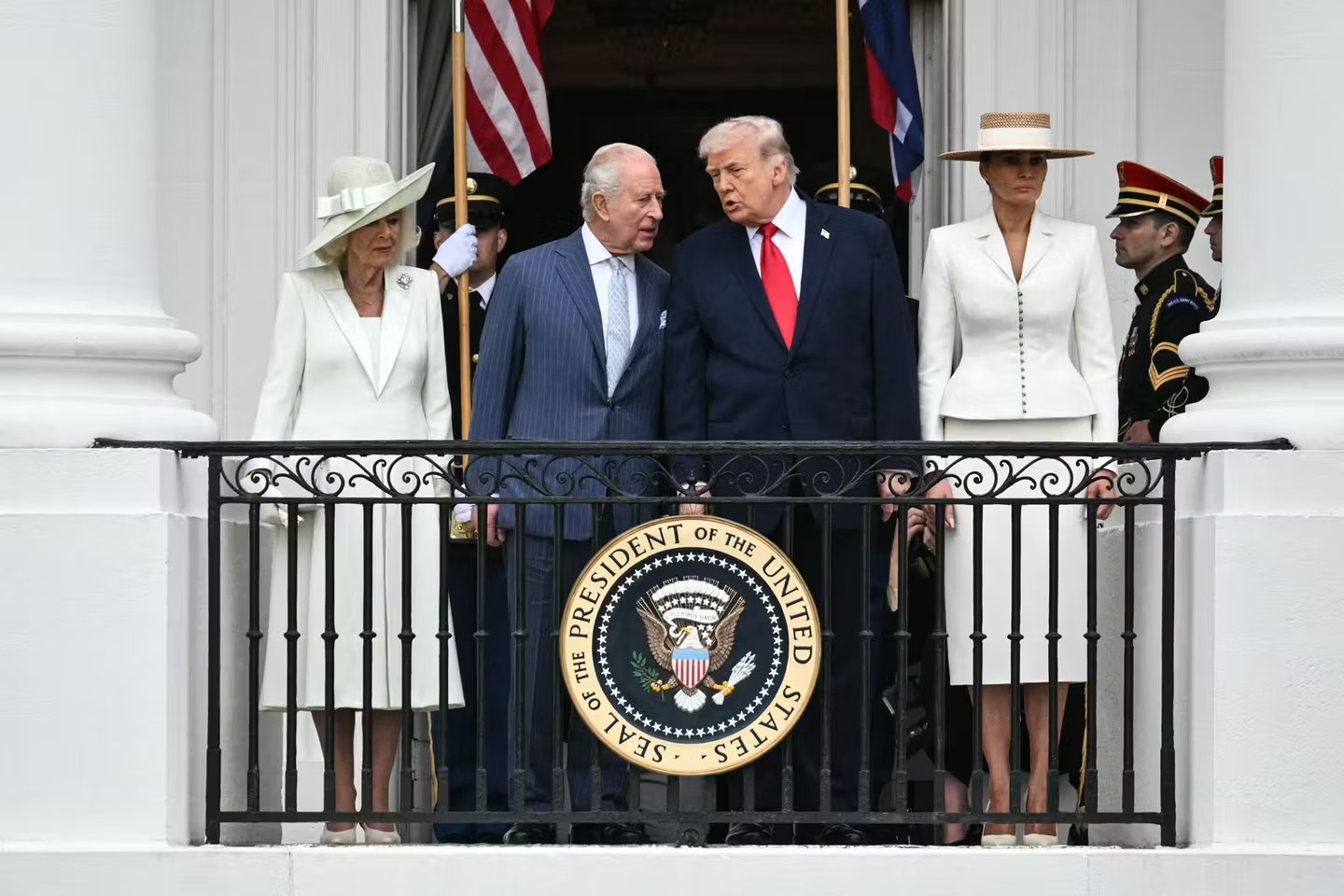
Yet never has the task been as challenging as the one entrusted to King Charles III during the four-day state visit he began with his wife Camilla to Donald Trump’s America on Monday, April 27, ahead of the 250th anniversary of the country’s independence. The challenge was to salvage what remains of the so-called “special relationship” with Washington, a source of British pride since World War II that has now given way to pronounced disagreements.
The list of humiliations inflicted by the American president on his British “cousins” has only grown longer since Prime Minister Keir Starmer criticized Trump’s intentions toward Greenland, and even more so since he publicly questioned the legality of the war in Iran. There have been jibes at Starmer, who according to Trump is “no Churchill,” mockery of the Royal Navy, and even threats to reconsider US recognition of British sovereignty over the Falkland Islands, claimed by Argentina.
Of course, one could comment on the American president’s fascination – he himself is often criticized for behaving like a monarch – with royal pageantry. Or highlight the oddity of Trump’s praise for Charles III as a “great guy,” even as Charles is king of Canada, a country Trump covets.
You have 43.41% of this article left to read. The rest is for subscribers only.