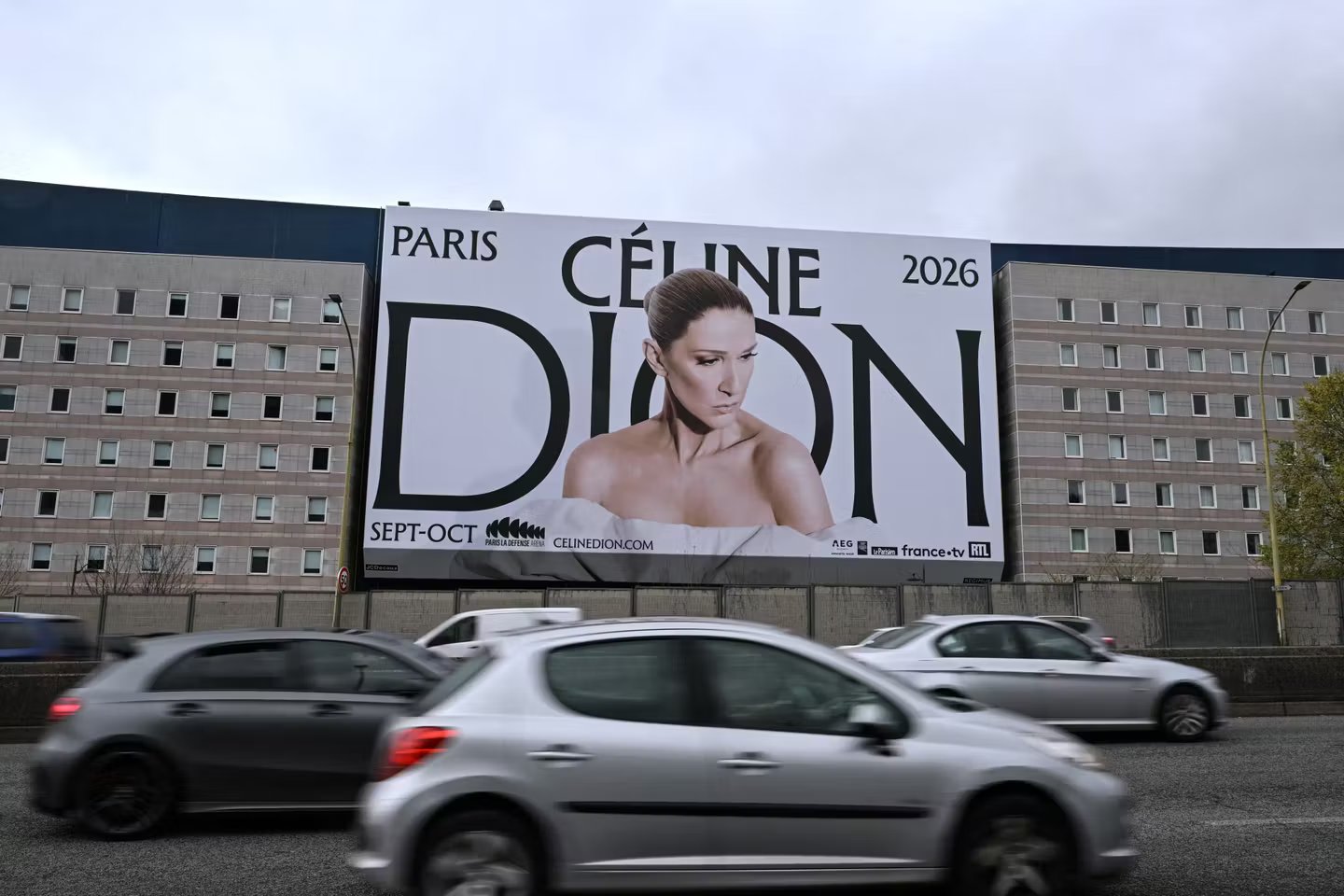
France has fewer and fewer factories, but when it comes to giving the economy a boost, Céline Dion can be counted on. That is no surprise in a country where tourism’s share of GDP, which exceeds 8%, is closing in on that of industry, which is around 10%.
The 16 concerts the Canadian singer will give at Paris La Défense Arena between September and October, which have sent ticket sales into a frenzy, are expected to have a ripple effect on the economy, especially in the Paris region: between €570 million and €1 billion in impact, calculated Hadrien Camatte, an economist at Natixis. That is almost the equivalent of purchasing a giant cruise ship, notes the expert, referencing orders placed by MSC with the Chantiers de l’Atlantique shipyards. The only difference is that an industrial order of this type results in two to three years of work and sustainable jobs.
In terms of economic growth, the “Céline effect” is estimated to add about 0.02 to 0.03 percentage points to the overall growth rate for 2026. Alone, the performer of “Dansons,” her latest track written by the ever-popular Jean-Jacques Goldman, will therefore generate for the French economy the equivalent of one-fifth of the economic impact of the Paris Olympic Games held in the French capital in 2024 – excluding infrastructure spending. That is enough to make economic stakeholders dance for joy.
Major concerts and the unprecedented tours of global artists confirm their status as economic powerhouses, capable of prompting fans to spend hundreds or even thousands of euros on tickets, filling hotels, supporting local jobs and keeping hundreds of partner companies running. Pure show business. In 2023, Taylor Swift’s three concerts in Philadelphia, Pennsylvania, enabled area hotels to return to pre-pandemic activity levels.
€1,500 in spending per person
The same was true in Munich, where British singer Adele performed 10 shows in August 2024. The event generated about €540 million in economic impact, according to Clemens Baumgärtner, director of the Labor and Economic Development Department for the Bavarian capital. But that still falls short of the Oktoberfest, where visitor spending flows as freely as the beer, generating €1.2 billion, according to the latest figures from Munich.
You have 40.8% of this article left to read. The rest is for subscribers only.