Rising memory costs tied to AI infrastructure puts pressure on console makers
Gaming consoles in Korea are hitting record-high prices, driven by a tightening supply of consumer-grade memory as semiconductor makers pivot toward artificial intelligence-focused production.
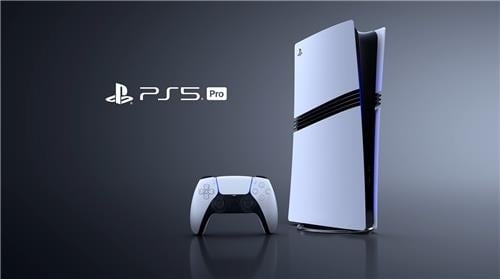
Sony Interactive Entertainment Korea, the official distributor of PlayStation in the country, recently announced raised prices across its PlayStation 5 lineup starting Friday, citing broader global economic pressures. The increases apply to the PS5, PS5 Pro and the PS Portal Remote Player.
Following the adjustment, the standard PS5 now retails for 948,000 won ($644), an increase of roughly 27 percent from its previous price of 748,000 won. The more affordable PS5 Digital Edition, a disc-free model built around digital downloads via the PlayStation Store, saw the steepest jump, climbing about 43 percent from 598,000 won to 858,000 won. The high-end PS5 Pro rose 16 percent, from 1,118,000 won to 1,298,000 won.
The price hikes extended beyond Korea, rolling out simultaneously across several Asian markets, including Thailand, Vietnam, Singapore, Malaysia, Indonesia and the Philippines, starting Friday.
In the United States, the United Kingdom, Europe and Japan, the retail price of the PS5 was raised effective April 2.
Sony’s move is widely expected to trigger similar adjustments across the industry. Notably, Nintendo’s Switch 2, a major player in Korea’s console market, is widely viewed as a likely candidate for a price increase should current cost pressures continue.
Nintendo President Shuntaro Furukawa addressed the issue during the company’s February earnings call, noting that while rising memory prices have not yet materially impacted profitability, prolonged cost inflation could create headwinds in future fiscal periods.
Furukawa added that any decision on hardware pricing would be made holistically, factoring in market conditions, sales momentum and the platform’s installed base, leaving the door open to potential price changes.
At the heart of the issue is a global semiconductor boom fueled by surging demand for AI infrastructure. Chipmakers are increasingly prioritizing high-margin products such as high-bandwidth memory, tightening supply for consumer-grade components.
According to Counterpoint Research, DRAM prices climbed more than 50 percent in the first quarter, while NAND flash surged over 90 percent. Both are essential to modern gaming hardware: NAND flash underpins the solid-state drives that store operating systems, games and save data, while DRAM serves as high-speed working memory, enabling real-time processing of game assets, textures and system operations.
According to the Korea Creative Content Agency’s report released in April 20, console gaming penetration in Korea stood at 28.6 percent as of last year, roughly one in three gamers.
yoonseo.3348@heraldcorp.com