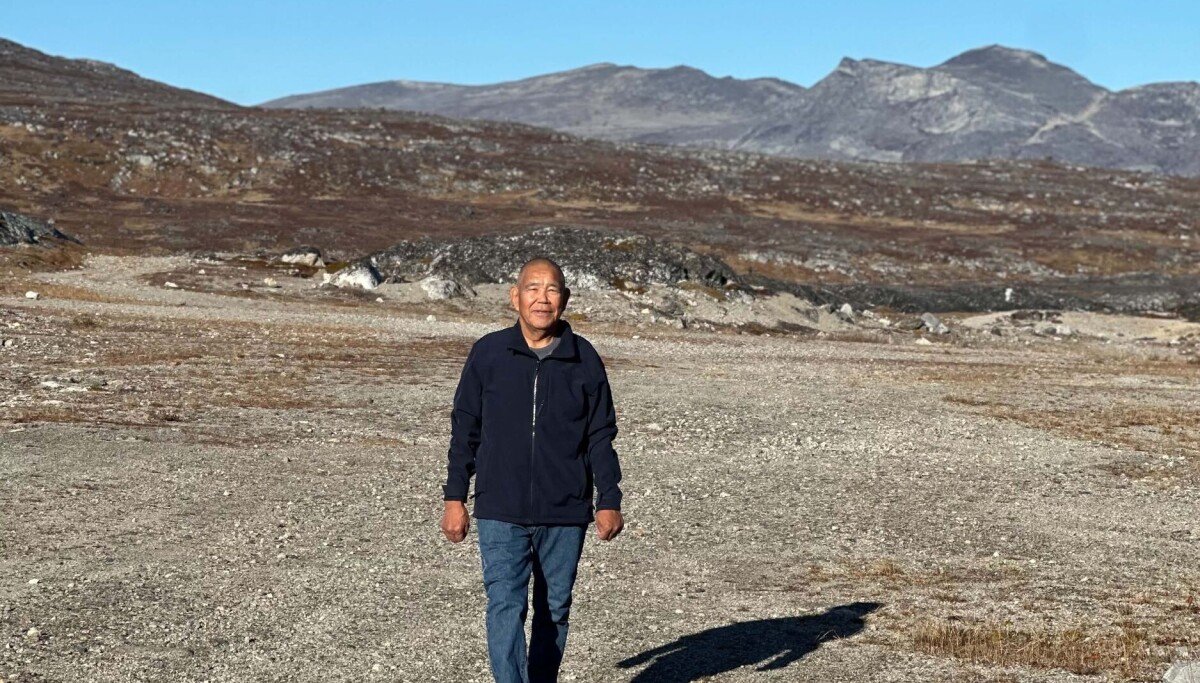
We screw up the time back to 1998.
It was autumn, and Julius Adolfsen’s abuse of alcohol and hashish was at its worst.
He grew up in a home characterized by alcohol and violence. When he was drunk himself, he became very aggressive and, among other things, subjected his then wife to violence. After several years of trying to leave him, she finally had enough and left him.
– I usually say that being abandoned by my ex-wife is among the hardest experiences I’ve had. When someone you love dies, that person is dead. But being abandoned by the one you love feels even worse. I live in the same town as her and can see her, but I can’t talk to her, says Julius Adolfsen.
– That closing was terrible. We could no longer buy alcohol.
At the same time, he experienced another serious consequence of his abuse. When he had money, he drank constantly, which meant that he was often absent from his work at the docks.
His workplace at the port of Nanortalik finally had enough and fired him.
– It was terrible and uncomfortable. You start to feel worthless and almost think: What am I really doing here? My wife left me and then I got fired from my job. In the end, I couldn’t keep up with the bills either.
At the time, Julius was so deep in his alcohol addiction that he had lost contact with his loved ones and no longer had anyone to turn to. He had lost the will to live. But thoughts of his only daughter, who was 16 at the time, kept popping up. It would later prove to be an important driving force for him in the fight to get out of the abuse.
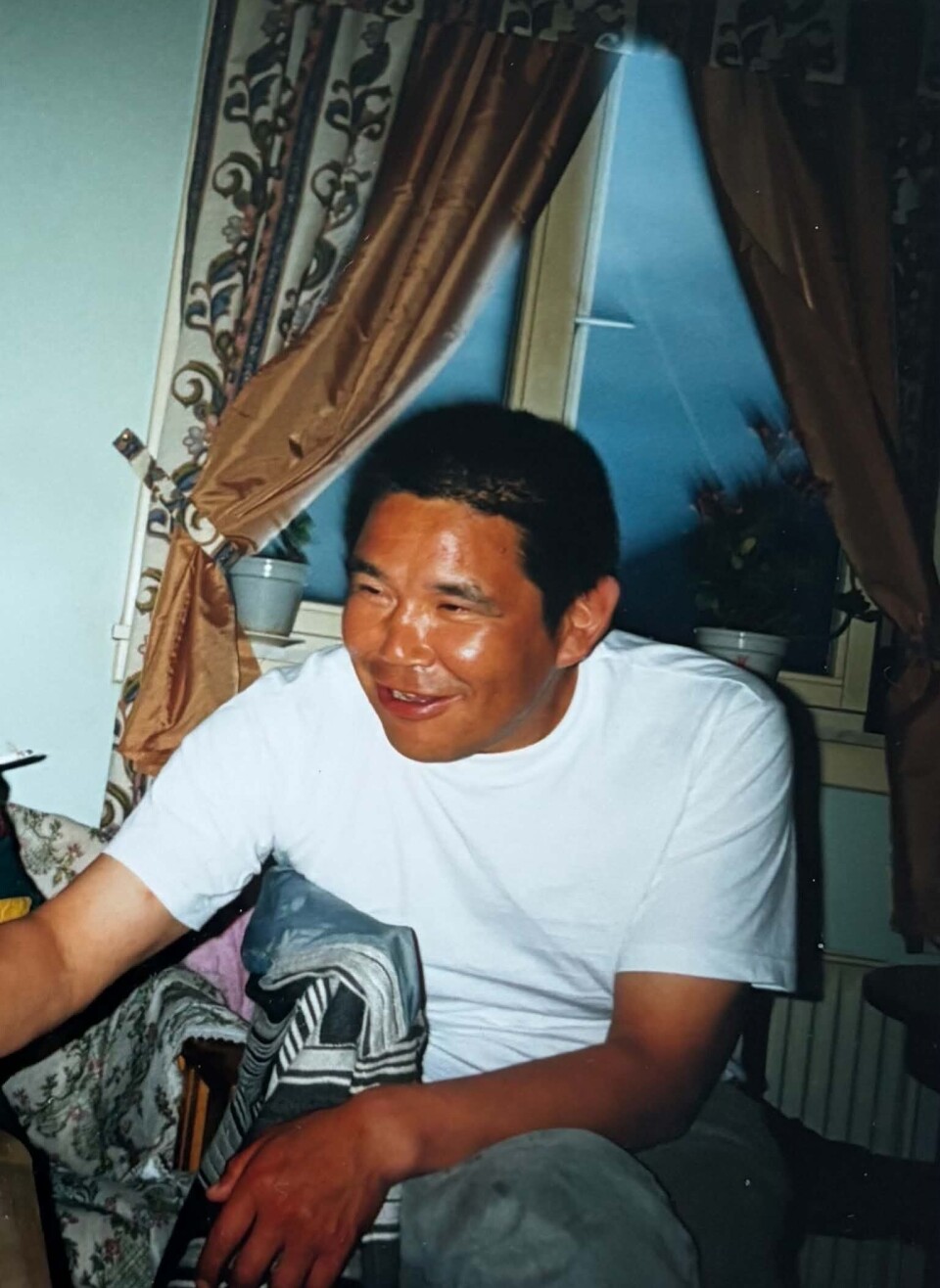
We return to how Julius found his way out of the abuse.
Alcoholics always find a way out
Julius himself has been addicted to alcohol for more than 25 years and can therefore understand how people with alcohol problems in the Municipality of Kujalleq feel during the current closure.
He has personally experienced how a ban on the sale of alcohol affected him.
– That closing was terrible. We could no longer buy alcohol, says Julius Adolfsen.
He clearly remembers New Year 1990. After the murder of seven people in Narsaq, the sale of alcohol was banned in South Greenland. It was a difficult time for Julius.
– We started home brewing, and it was probably not just me who did it. Even if it hadn’t been closed, I was brewing at that time because I wanted to get drunk. I can see myself then as someone who could no longer do without alcohol. You quickly start looking for something that can give you a high. Such was my situation.
However, he has no doubt that closing down the sale of alcohol can benefit people who do not have an alcohol problem.
– After all, it will benefit others, and just like now, I’m happy that it’s closed. When I drank myself, it was unpleasant for me when it was closed. If you have to put it that way, I felt trapped at the time, says Julius.
– At that time I was at my lowest point and no longer wanted to live. Life was empty for me. I felt worthless.
How can the trend be reversed?
Julius has no doubt that the trend can be reversed if the closure is supplemented with other initiatives.
– A closure alone does not have much effect if nothing more happens and if there is no debate about it. There must somehow be a goal with it, says Julius Adolfsen.
Which initiatives could it be, for example?
– If I have to give examples, it could be activities for children, young people and adults. I myself have previously been used to give presentations because I have been an alcoholic and a hashish addict. It is desirable that you use this kind of experience.
Julius would like to use his own experiences to help others.
– After I have stopped using alcohol and cannabis, I would like to help in the fight against alcohol problems. I know how life destroying it is to live with it. The municipality or the authorities cannot handle such a big problem alone, he says.
He also points to Week 18, which was previously known as the alcohol-free week.
– If it was used throughout the year, the municipalities themselves could decide how often they should meet with the citizens. It could be once a month, every two months or every three months. If it succeeds, I can imagine that you will gradually become more targeted, says Julius Adolfsen.
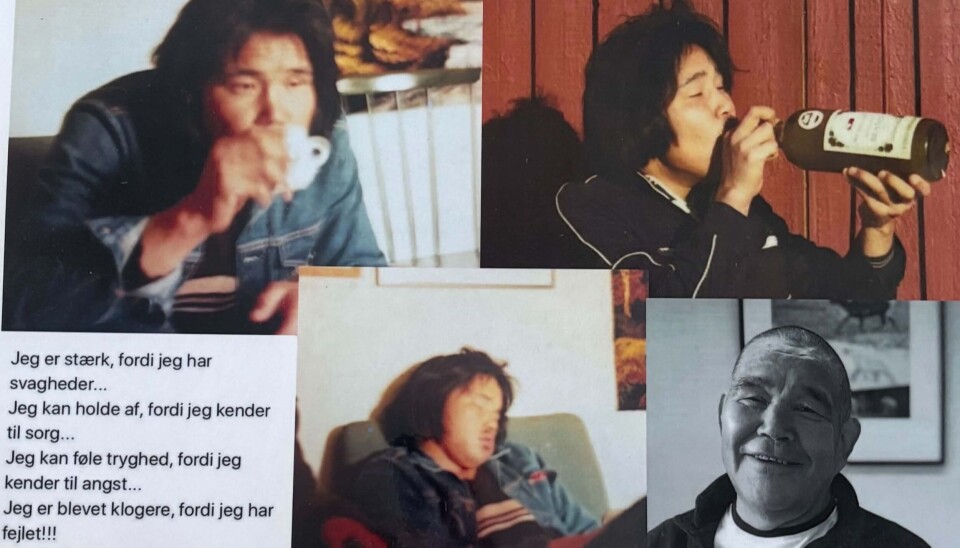
To hit rock bottom
Julius points out that there can be many different reasons why people with alcohol addiction want to get out of their addiction.
For himself, the decision came after everything had gone wrong. He had lost both his wife and his job and at the same time incurred a large debt. He clearly remembers how he hit rock bottom then.
– At that time I was at my lowest point and no longer wanted to live. Life was empty for me. I felt worthless. I had so many problems that I no longer wanted to live. I had felt like this for a long time. I didn’t want to live, I only wanted to die.
– I have never regretted that I received treatment. On the contrary, I am very grateful and happy that I was treated.
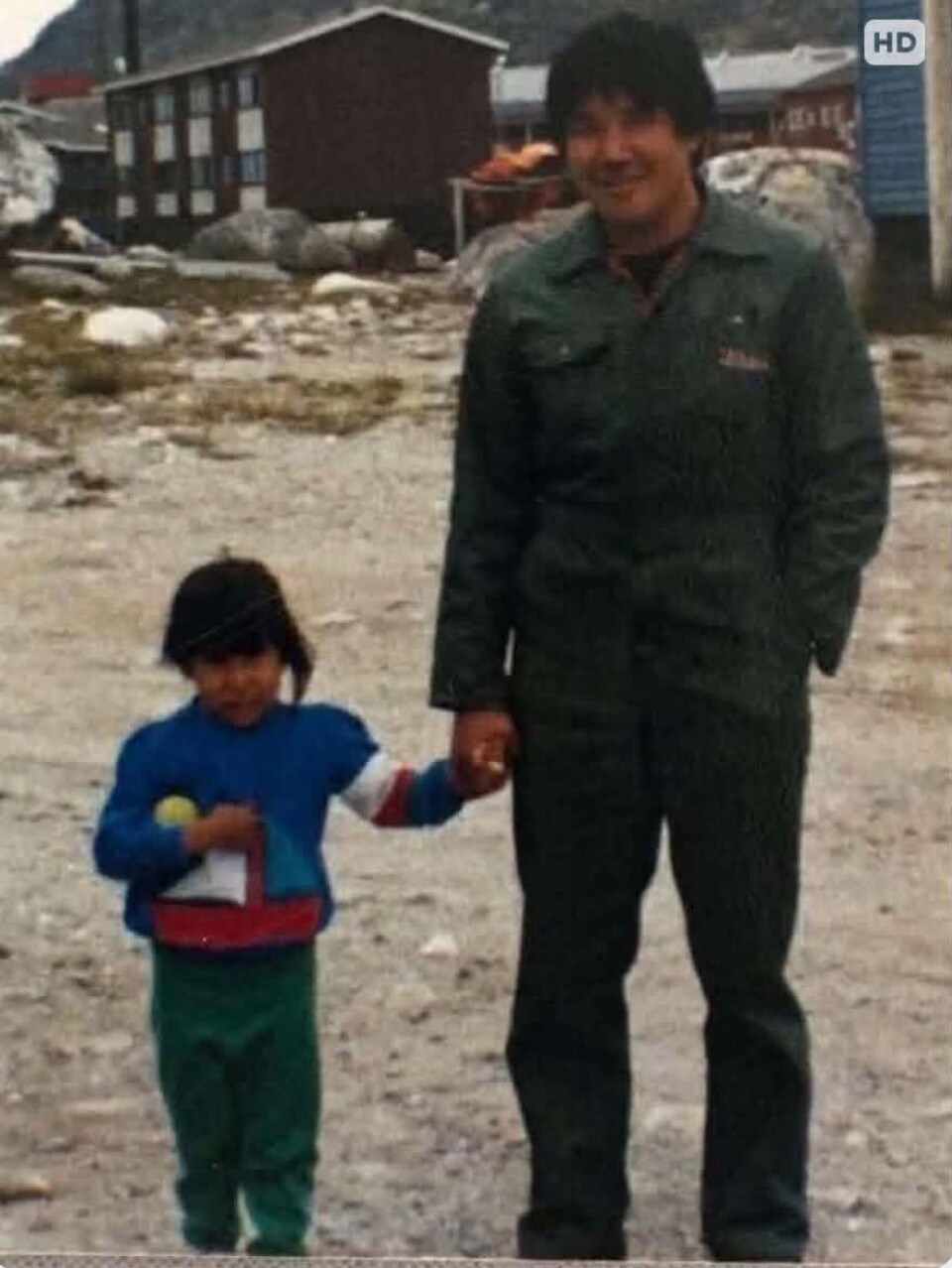
During the worst period, Julius no longer had close contact with those closest to him. But he began to think constantly of his only daughter, who was then 16 years old.
– After my daughter had already experienced so much pain, I began to think that her suffering would be even greater if I disappeared. I had hurt her emotionally and psychologically because of my abuse. She would long for her father and no longer be able to call anyone father. As those thoughts began to emerge, I gradually got closer to seeking treatment.
A sincere desire to get out of the abuse
At the end of 1998, Julius entered family treatment, where he admitted his abuse of alcohol and cannabis.
Shortly after the turn of the year, he began treatment at Qaqiffik, and on 15 January 1999 he drank alcohol for the last time.
– I have never regretted that I received treatment. On the contrary, I am very grateful and happy that I was treated. I also value a life without alcohol and hashish. I still want to fight because I know where I will end up if I stop fighting, says Julius.
At the time, his daughter was living with her mother. The daughter, whom he had failed during his abuse, moved in with Julius after the treatment.
– She moved in with me, although of course her mother didn’t accept it, because she knew what I was like. It gave me strength that she wanted to move in with me and did.
Julius lives a completely different life today than the one he lived in the 1990s. 18 years ago he got a new partner and today they live a happy life together.
He has three children and a grandchild, and he wouldn’t trade his life with them for anything else.
– They give me strength, and they are the ones who have brought me to where I am today. They give me love and security, concludes Julius., concludes Julius.