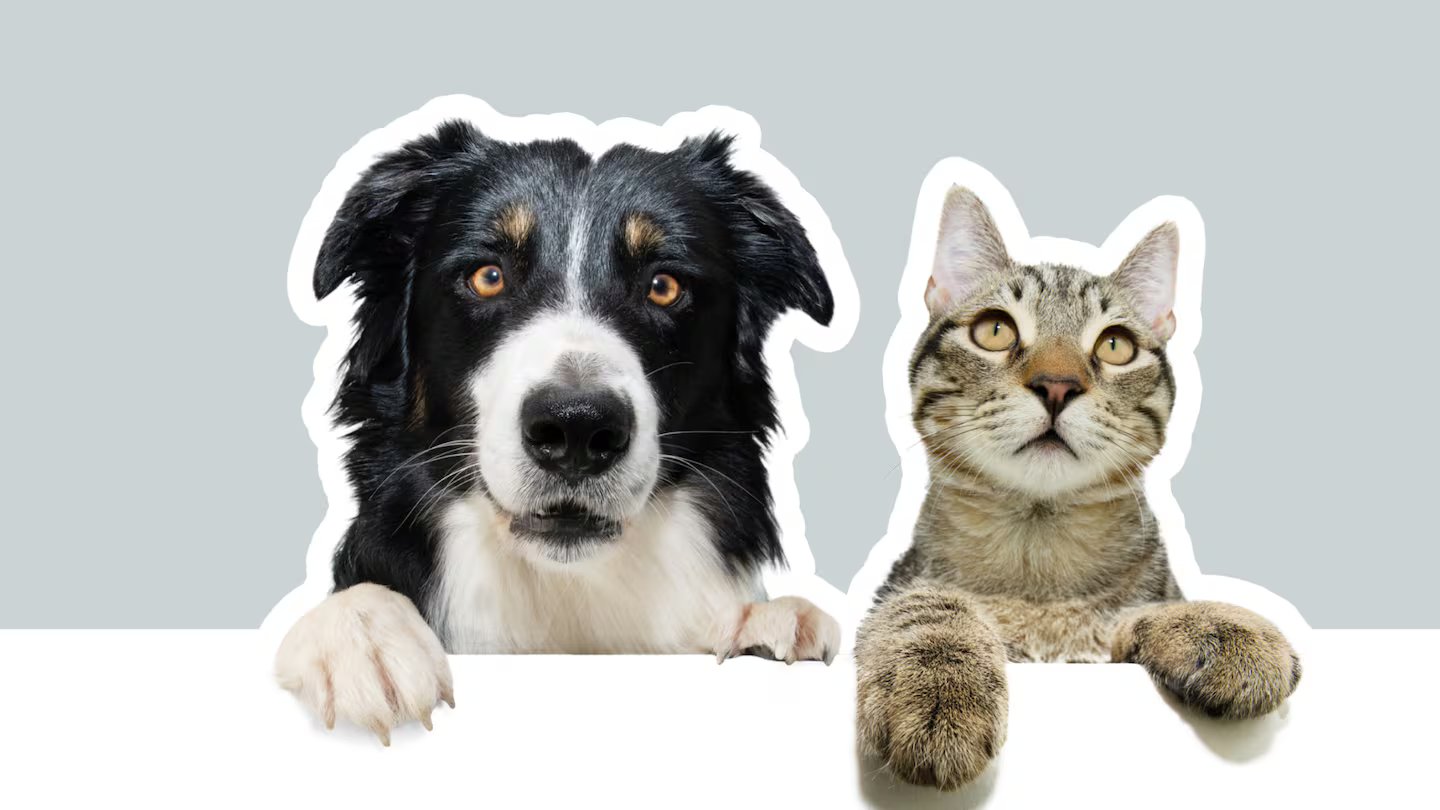
He stress and anxiety in pets They are more frequent than we usually think because they often go unnoticed. Keep in mind that some changes in your behavior, variations in your attitude or unusual behavior can be clear signs that something is not right.
Nazaret Stradivarius, a veterinary doctor, from the Lutz Veterinary Clinic and part of the MediSmart medical network, warns that many guardians they do not identify signs of stress and anxiety in time on your pets.
What you should know:
- It is reflected in changes in behavior, appetite or energy.
- It is usually related to changes in your environment.
- Care with stable routines and veterinary support is key.
“As a veterinary doctor, one of the most important aspects that I always explain to guardians is that our pets do not speak, but they do constantly communicate how they feel,” explained the specialist.
What are the most common signs of stress or anxiety in pets?
The expert emphasizes that each pet is unique, but there are clear signs that you should pay attention to, some of which are:
- Changes in your usual behavior (more restless or more withdrawn).
- Excessive vocalization (barking, meowing).
- Destructive or repetitive behaviors.
- Gasping, shaking, or salivating without apparent cause.
- Loss of appetite or digestive disorders.
- Excessive attention seeking or the opposite, isolation.
- Arrival of new people or animals.
- Prolonged absences of their owners.
“Many times, the owners call me doctor, I feel that my pet is different and that intuition is usually very accurate,” explained Stradivarius.
How to differentiate between stress and an illness?
The specialist states that this is one of the most frequent doubts that all people who come to the consultation have, because stress in pets generally appears associated with a specific situation such as changes in the environment, noise, separation from the people with whom they lived or new experiences.
While a disease usually progresses independently of the environment and may be accompanied by more obvious physical signs.
“Remember that pets are highly sensitive to their environment and changes that are normal for you can be overwhelming for them.”
However, the doctor details that guardians can control their pets’ environment, which allows them to provide greater stability since this is not a luxury, it is a necessity for animals.
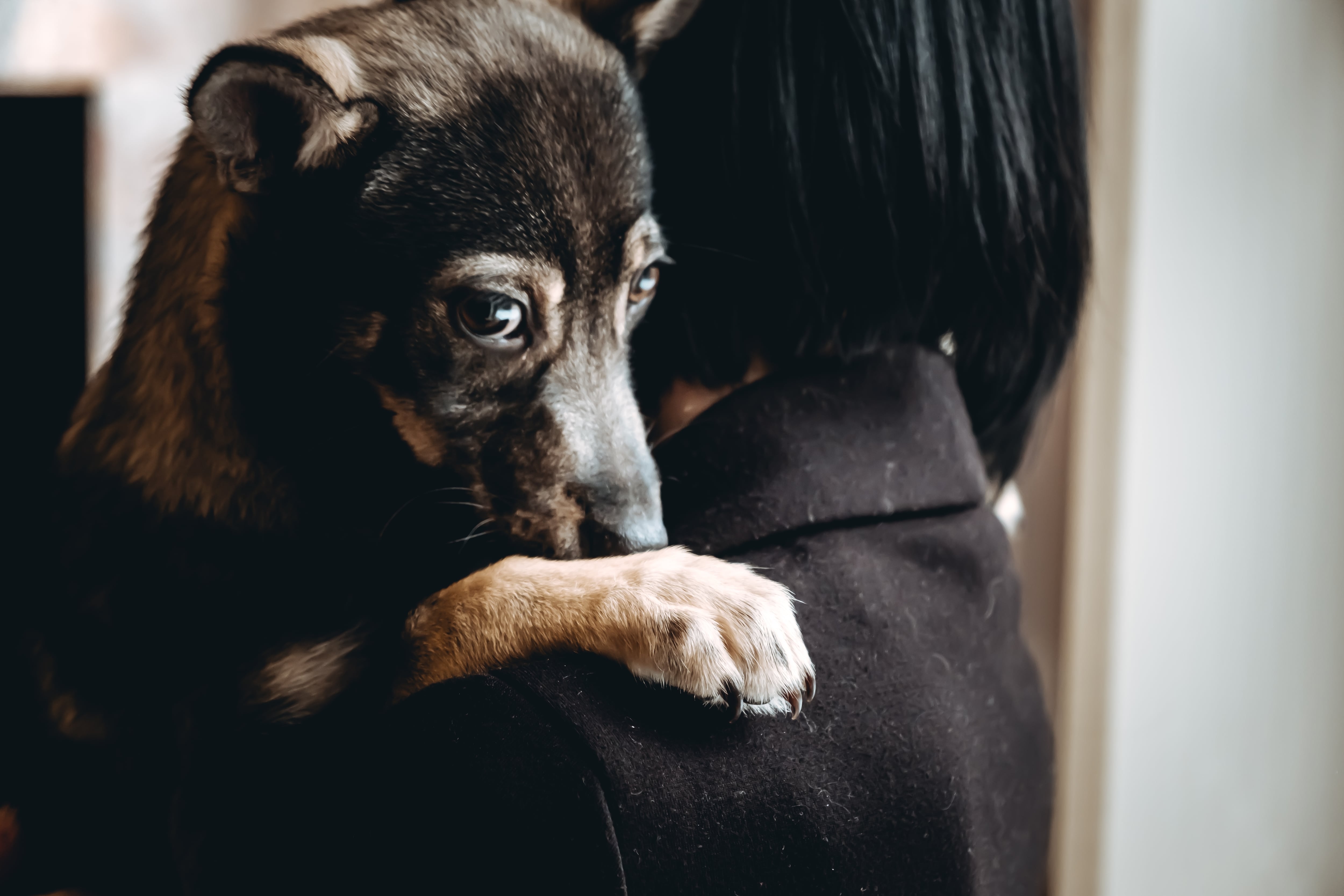
Each pet has a different way of suffering.
Stradivarius clarifies that it is essential to understand how stress and anxiety are expressed depending on the species:
- Dogs: They may become destructive, constantly panting, or become dependent.
- Cats: They often isolate themselves or change their hygiene habits.
- Rodents: They decrease their physical activity or stop eating.
- Birds: They can lose feathers, they also tend to pluck them or they appear more deaminated, they even stop making sounds.
Even taking pets to see the veterinarian can cause this condition. For them, the unknown is often perceived as a threat.
How can you help your pet?
For the veterinarian, you must often be patient with pets because it is a process that takes time, which is why they recommend maintaining stable routines, avoid punishment and use positive reinforcement and provide a safe space.
“In some cases, pheromones or medical support can be used, but always under professional recommendation.”
If changes in behavior, appetite or emotional state persist or worsen, it is necessary to seek professional help. Stradivarius assures that it is vital to prevent and detect stress and anxiety in pets in time to avoid major complications, since early intervention guarantees a faster and more effective recovery.