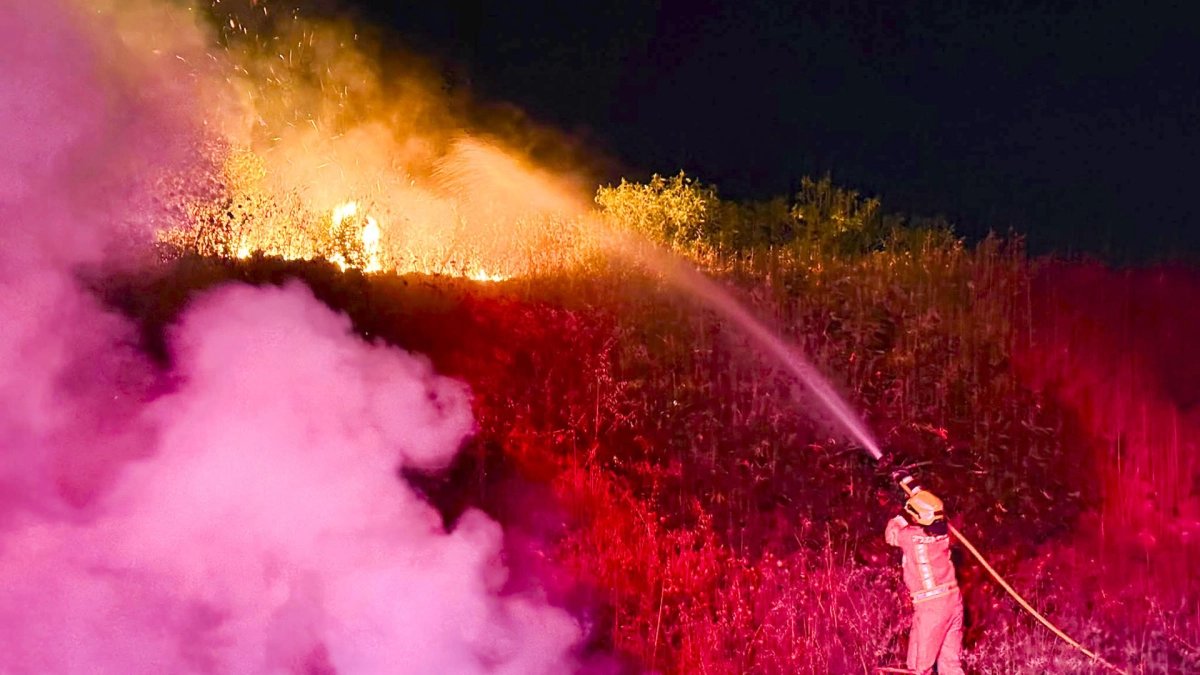
The Israeli Army claimed to have intercepted all the missiles launched this Sunday night by Iran, a total of eleven, according to military sources, which represents Tehran’s first attack against the Jewish State since the April ceasefire.
READ ALSO
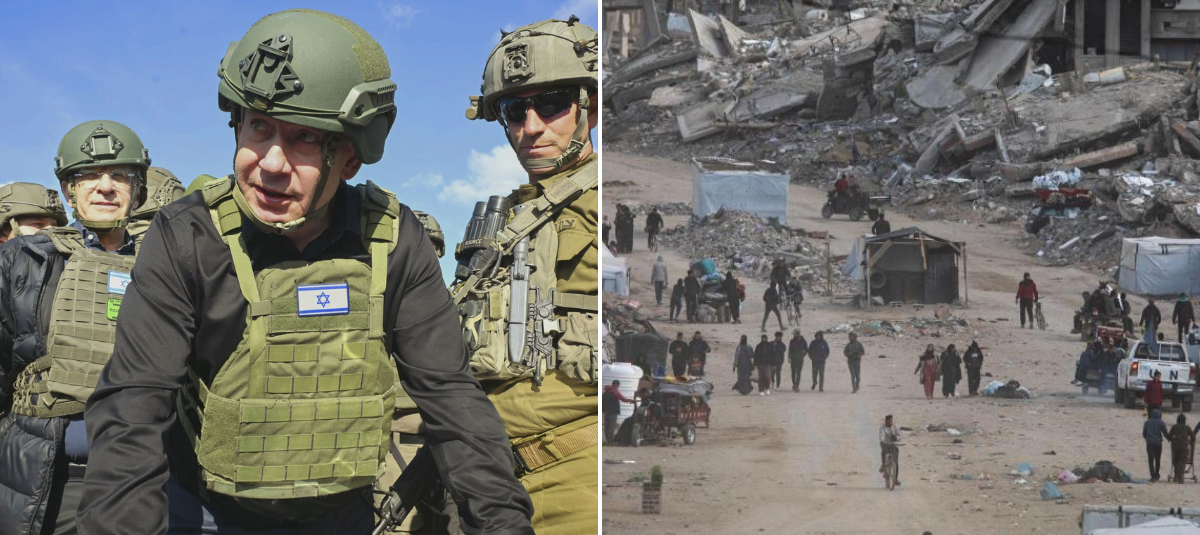
Iran launched eleven missiles against Israel this Sunday. Photo:AFP
Anti-aircraft alarms sounded four times in different areas of northern Israel for half an hour starting at 10 pm local time (2 pm Colombia), according to Tzofar, the Israeli application for real-time attack notifications directly connected to the Army’s Home Front Command.
At 10:47 pm local time, the Army concluded the “incident” and allowed citizens to leave the shelters.
“After evaluating the situation, the Home Front Command announced that It is now allowed to leave protected areas throughout the country and stay close to them“said the Army 47 minutes after reporting the first attack.
READ ALSO
The Israeli emergency service Magen David Adom (MDA) reported just a place where you received a call about a possible incident, which finally ended without injuries.
The United States had promoted a de-escalation formula between Israel and Hezbollah a few days ago. Photo:Majid Saeedi. Getty Images
In addition, teams from the Israel Fire and Rescue Service are inspecting several locations in the Golan Heights after receiving calls to the 102 hotline after this attack by Iran.
Israel’s Minister of National Security, Ben Gvir, expressed in a publication on the social network
In retaliation, the Israeli Army closed the crossings with the Gaza Strip this Sunday “until further notice.”
Iraq and Syria, for their part, announced the temporary closure of their airspace for 72 and 12 hours, respectively, “as a precautionary measure.”
Iran responds to Israeli attack on Lebanon
The escalation threatens to reopen one of the most explosive fronts of the regional conflict and further complicates US diplomatic efforts to avoid a wider war.
The Iranian offensive came a few hours after Israel bombed the Dahiyeh neighborhood in southern Beirutan area considered a strategic stronghold of Hezbollah.
The government of Israeli Prime Minister Benjamin Netanyahu justified the operation as a response to previous attacks launched from Lebanese territory against northern Israel.
READ ALSO

People wave Iranian and Hezbollah flags in Tehran, in support of Iran’s attack on Israel Photo:EFE
However, For Tehran, the attack on Beirut crossed a red line. Iranian authorities warned that any new aggression against Lebanon or against Iranian interests will provoke a broader response.
Iranian Parliament Speaker Mohammad Baqer Qalibaf even claimed that US military bases and Israeli assets in the region are now “legitimate targets.”
The new escalation occurs at a delicate time. Just days ago, the United States had promoted a de-escalation formula between Israel and Hezbollah that included the suspension of attacks on Beirut and its surroundings.. Although fighting never ceased, the agreement had raised expectations of a gradual reduction in hostilities.
READ ALSO

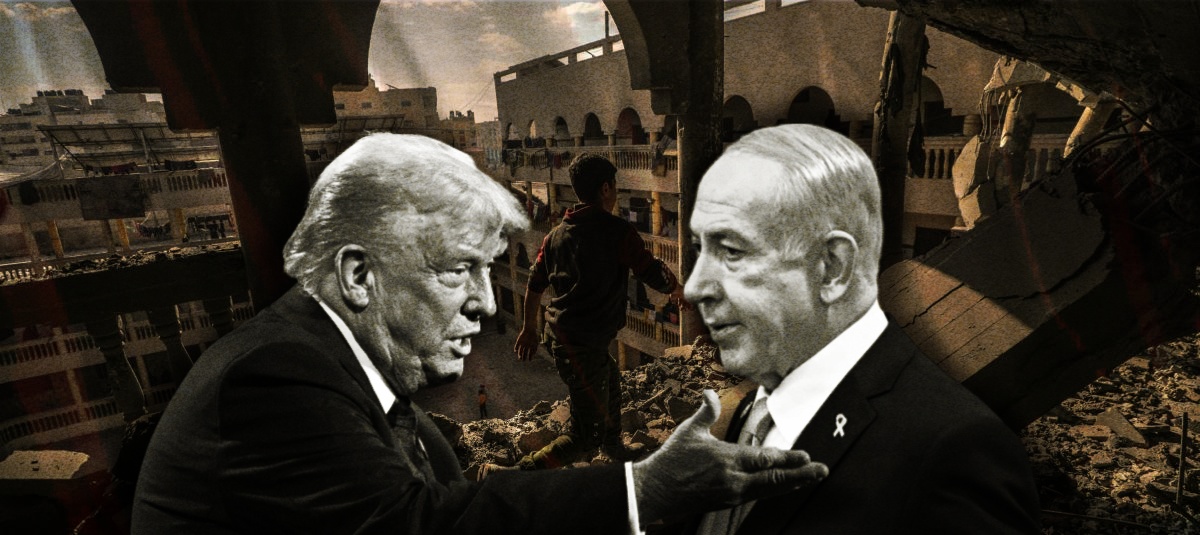
According to international media, Even US President Donald Trump stated that he would call Netanyahu to ask him not to respond to the attacks, by insisting that he is “very close” to an agreement to end the war.
Donald Trump and Benjamin Netanyahu. Photo:Getty Images via AFP
The war that began at the end of February with the joint attacks by the United States and Israel against Iran It has already spread beyond Iranian borders, affecting maritime traffic in the Persian Gulf and triggering tension in several countries in the region.