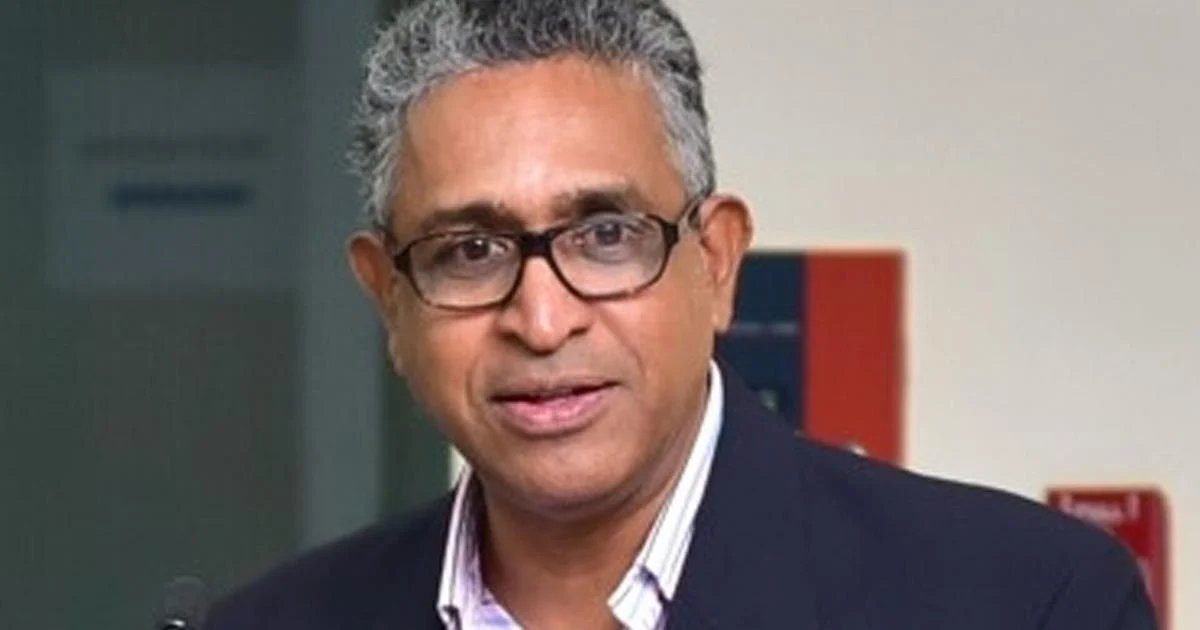
THE reappointment of Caricom Secretary-General Dr Carla Barnett may be legally invalid because the process used to renew her term breached key provisions of the Revised Treaty of Chaguaramas, according to an independent legal opinion by Trinidad and Tobago academic Prof Rajendra Ramlogan.
The opinion, released this week, argued that the decision to grant Barnett a second five-year term was “constitutionally defective and potentially void” because it was taken during a closed-door retreat of regional leaders in Nevis that lacked the authority to exercise the conference’s appointment powers.
Ramlogan, a professor of commercial and environmental law at The University of the West Indies (The UWI), St Augustine, stressed that his opinion was not directed at Barnett personally.
“Rather, it addresses a narrower but more constitutionally important question: whether the process by which authority was renewed complied with the institutional and procedural requirements established under the Revised Treaty,” he stated.
According to Ramlogan, the decision was made during a retreat of heads of government following the 50th Regular Meeting of the Conference of Caricom Heads of Government in February.
He argued that the retreat could not be regarded as a legally constituted meeting of the Conference and therefore had no competence to appoint or reappoint the Secretary-General.
A central issue identified in the opinion concerns Article 11(2) of the Revised Treaty, which gives every head of government the right to designate a minister or other representative to attend meetings of the Conference.
Ramlogan said that right was effectively denied when attendance at the Nevis retreat was restricted to heads of government.
He noted that Foreign and Caricom Affairs Minister Sean Sobers, who was acting as this country’s head of delegation after Prime Minister Kamla Persad-Bissessar left the summit before its conclusion, was not allowed to participate in the retreat.
Similar restrictions reportedly affected representatives of other member states whose leaders were absent.
‘Heads-only caucus cannot become final decision-maker’
While acknowledging that Caricom’s Rules of Procedure permit heads-only discussions in certain circumstances, Ramlogan argued that such arrangements cannot be used when formal decisions are being taken.
“A heads-only caucus may be lawful as a deliberative setting,” he wrote, adding “heads-only caucus cannot become the final decision-maker where the Conference is exercising a formal Revised Treaty function.”
The opinion also found that the process failed to comply with Article 24 of the treaty, which requires the Secretary-General to be appointed by the Conference on the recommendation of the Community Council of Ministers.
Ramlogan rejected suggestions that a reappointment is exempt from that requirement, describing it instead as a fresh grant of constitutional authority following the expiry of a fixed term.
Because the Community Council was not involved and no recommendation was made, he said, the process undermined the treaty’s constitutional framework and balance of powers.
The opinion further questioned reports that the decision was taken by majority vote rather than consensus and pointed to the absence of any reference to Barnett’s reappointment in the official communiqué issued after the summit.
“In conclusion, the heads-only restriction was inconsistent with the Revised Treaty because it deprived Trinidad and Tobago of the rights of participation guaranteed by Article 11(2),” Ramlogan stated.
He added that the exclusion of designated representatives rendered the decision “constitutionally defective and potentially void”.