The pressure on the Greenlandic judiciary has continuously been a challenge for citizens’ legal certainty. It is one of several themes in the Institute for Human Rights’ annual report to Inatsiartut.
Institute for Human Rights delivered his report to Inatsisartut on Friday afternoon. Since 2014, the institute has functioned as the national human rights institution for Greenland.
This year’s review and recommendations from the institute are divided into four themes.
It is respectively responsible for systematic violations, data and human rights, legal certainty and equal treatment of Greenlanders in Denmark. They each make recommendations to policy makers.
The Institute for Human Rights would like a reconciliation fund to ensure compensation for all those who have been subjected to systematic human rights violations, on the grounds that they were Inuit or Greenlanders.
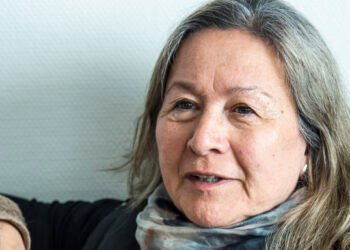
– In recent years, it has gradually been recognized that serious injustice and gross human rights violations have occurred in Danish-Greenlandic history, which require reconciliation today. This is done through redress and compensation, as we see in the spiral case, and by learning from other countries and indigenous peoples and their reconciliation processes, says the director of the institute, Louise Holck.
Missing access to data
The report contains both praise and criticism in the area of law, where the state will in the coming years raise the standard on a number of different points.
– Among other things, it is positive that plans are being made to introduce more up-to-date IT systems at the courts and to strengthen the prosecution’s legal competences, writes the Institute for Human Rights.
– However, there is still a lack of access to data that can give a clear picture of the rights situation in Kalaallit Nunaat/Greenland. As part of ensuring the modernization of the IT systems at the Greenlandic courts, the Courts Agency should, among other things, ensure transparency in relation to whether lawsuits in Kalaallit Nunaat/Greenland are decided within a reasonable time.
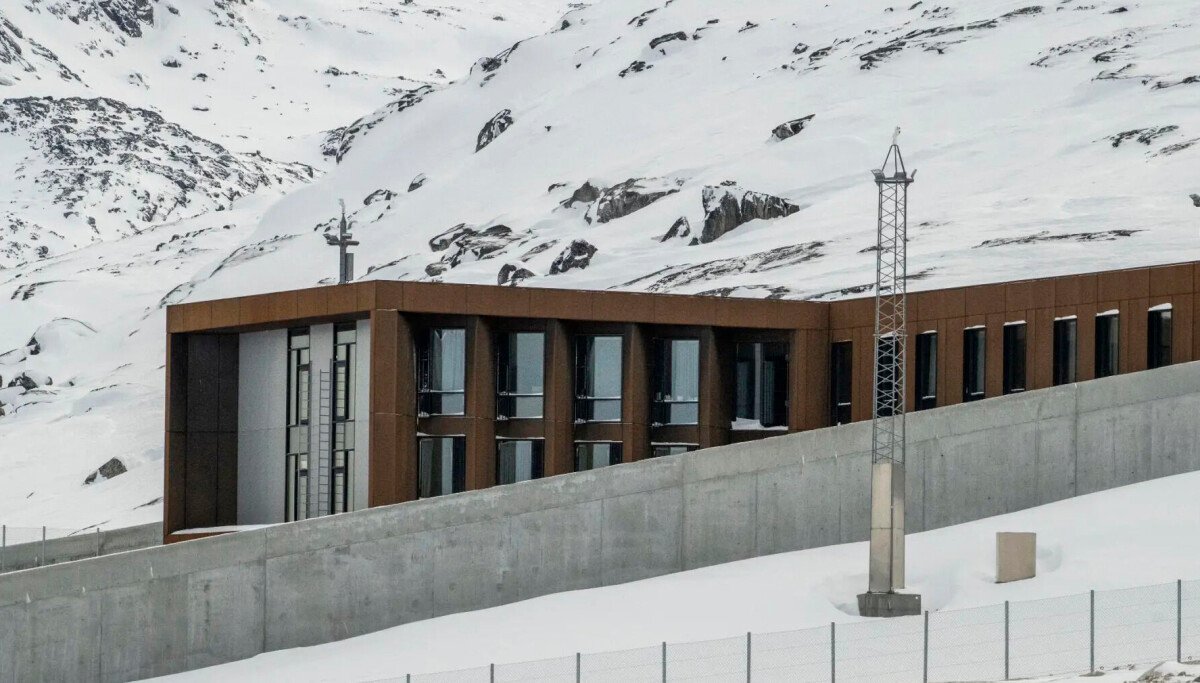
The report also notes last year’s criticism of the overcrowding of the institution in Nuuk, where several single cells were occupied by two inmates.
Understanding in the public sector
Other recommendations concern the public systems in Denmark. Here, health professionals must be sure that they have relevant knowledge when meeting with Greenlandic patients. The necessity of interpreters is also emphasized in relation to placement cases.
The plan was for the Institute for Human Rights to appear in Nuuk to deliver the report to Inatsisartut’s law committee. However, the personal presentation was prevented by Thursday’s canceled flight from Copenhagen.