The underground fungal networks crucial to plant life and climate regulation are so vast that, if they were laid one after the other, their total length would exceed 100 quadrillion kilometers. This is the discovery of groundbreaking research that produced the first global map of these invisible ecosystems.
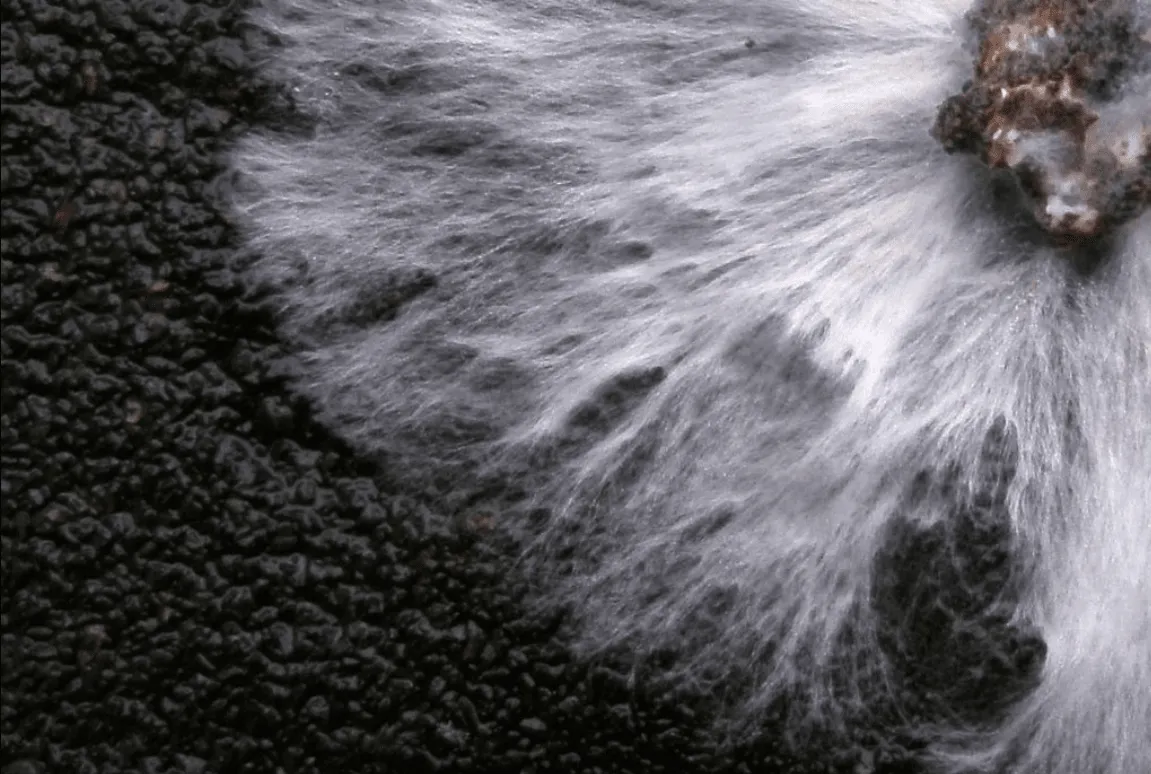
These are arbuscular mycorrhizal fungi, networks of tubular cells called hyphae, which are essential for life on Earth because they form partnerships with more than 70 percent of plants. These networks, which have been developing for about 475 million years, supply plants with nutrients and water in exchange for the carbon they produce, and help regulate the climate by sequestering carbon into the soil.
In a new study published in the journal Science, a team from the Society for the Protection of Underground Networks (Spun) used machine learning models and data from more than 16,000 soil samples around the world. Scientists have calculated that the total length of the fungal networks would reach 110 quadrillion kilometers, which is almost 750 million times the distance from the Earth to the Sun. “In just one teaspoon of soil, there can be up to 10 meters of mycorrhizal network,” said Dr. Justin Stewart, lead author of the study.

The research also documents serious threats to this infrastructure. The scientists found that the density of nets in cultivated areas was on average 47.3 percent lower than in wild ecosystems. “Many large-scale agricultural practices damage fungal networks. The most obvious example is plowing, which literally destroys the soil,” Stewart said, adding that both fertilizers and fungicides can disrupt the symbiosis between plants and fungi.
The consequences of losing these networks could be far-reaching. “If they disappear, significantly more chemicals will enter the waterways,” warned Dr. Toby Kiers, one of the authors of the study, announcing that she will present the research results to governments at the upcoming Desertification Conference in Mongolia in August.
Mapping revealed that grasslands contain the densest hyphal systems, but the study highlights that these areas are often poorly protected and increasingly degraded. The researchers call for closer collaboration between farmers and fungi, noting that protecting underground fungal communities would help reduce fertilizer use and improve soil carbon storage.