If you have been trying masks, oils or treatments for weeks and feel that your hair still not improving, it is possible that the problem is not the product, but rather that you are addressing a different need.
One of the most common errors in hair care It is thinking that all types of damage are solved in the same way. However, the hair may need hydration either nutritionand although both treatments seek to improve your appearance and health, they do not act in the same way.
We explain how to identify what your hair needs.

Photo: Freepik
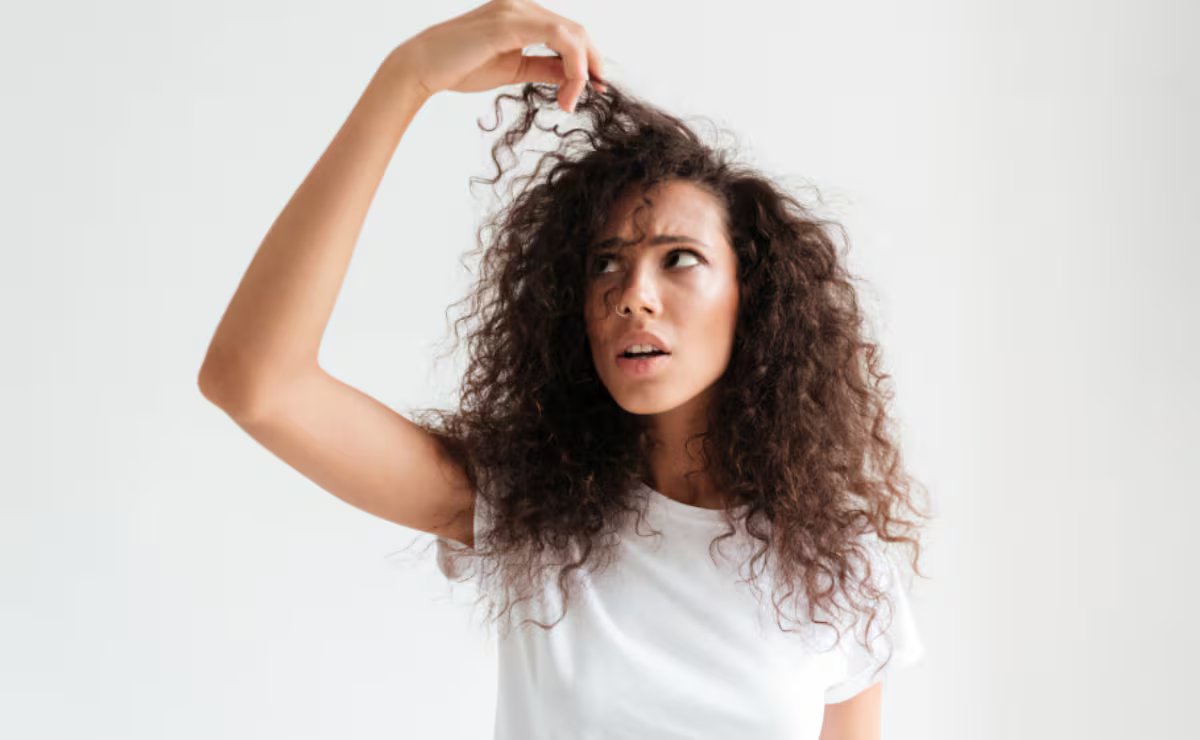
The hydration It consists of providing and retaining water within the hair fiber. When the hair It loses moisture, tends to become rough, difficult to comb and has a dull appearance.
Moisturizing treatments typically contain ingredients such as hyaluronic acid, aloe vera, glycerin or panthenol, known to attract and retain moisture.

Photo: Freepik
- It feels rough to the touch.
- It has constant frizz.
- It looks dull and dull.
- It tangles easily.
- It lacks movement and elasticity.
If it temporarily regains its softness when wetting it, it is likely that lack of hydration is the main problem.
Read also: The bob cuts that will dominate summer 2026
The nutrition focuses on providing lipids or oils that help protect and strengthen the hair fiber. This type of treatment is especially useful for hair damaged by chemical processes, heat tools or environmental factors.
Nutritious products often include ingredients such as argan, coconut, avocado, shea or jojoba oil.

Photo: Freepik
- The ends look dry or split.
- Hair breaks easily.
- It has a porous texture.
- Loses shine quickly.
- It feels stiff or brittle.
In these cases, the problem is not only the lack of water, but the loss of natural oils that help keep the fiber protected.
Can you need both? Yes. In fact, it is one of the most common situations. A hair It can present frizz due to lack of hydration and, at the same time, damaged ends that require nutrition.
That is why many specialists recommend alternating moisturizing and nourishing treatments within your hair routine. The key is to observe how you respond. hair after each treatment.

Photo: Freepik
If you hair looks dull, start by incorporating a hydrating mask once or twice a week. If you also notice dryness in the mid-lengths and ends, complement it with oils or nourishing masks.
It is also important to reduce the excessive use of heat tools, protect your hair from the sun and use products suitable for your hair type.
Because just as the skin needs different care depending on its needs, the hair It also requires specific treatments. Learning to identify whether it needs hydration, nutrition, or both can help you regain its shine, softness, and natural movement.
Read also: What is the purpose of applying vinegar to your hair?
Receive Hello Weekend every Friday, our newsletter with the latest in gastronomy, travel, technology, cars, fashion and beauty. Subscribe here: https://www.eluniversal.com.mx/newsletters/