How Qatar’s next generation is rethinking sport industry
15 Sep 2026
A recent conversation with one of our students in College of Sport Sciences at Qatar University began with a simple question: what happens when new sports become popular faster than the infrastructure needed to support them?
Padel provides a particularly interesting example. In Qatar, as in many other countries, emerging sports are attracting participants who may not necessarily be drawn to more traditional forms of sport. They appeal across genders, can be relatively easy to take up, are social in character, and often require less technical preparation before people can begin enjoying the game. But popularity creates its own challenges. As demand grows, so does competition for space. Indoor courts are particularly attractive in Qatar because they allow participation during the hotter months, while outdoor facilities become more appealing when temperatures are more comfortable, particularly from autumn through early spring. This creates an important planning question: how can sport facilities be designed and managed so that participation can continue throughout the year rather than being restricted by season or climate?
There is also the question of availability. When facilities become increasingly busy, desirable time slots become harder to find and the cost of renting courts may rise. Participation can therefore become shaped not simply by interest in a sport, but by who can find a court, at what time, in what location and at what price. This turns the popularity of padel into something larger than a sporting trend. It becomes a question of access.
If most facilities and activities remain concentrated in central Doha, participants living elsewhere may have fewer opportunities. Qatar’s geography, however, creates interesting possibilities. The relatively short distances between Doha and places such as Al Wakrah, Al Khor and Al Shamal could allow planners to think of the country not as a collection of separate sporting markets, but as a connected network of participation opportunities.
Developing appropriate facilities outside the centre could potentially reduce pressure on heavily used venues while creating new opportunities for residents in different parts of the country. The challenge, of course, is not simply to build more courts. Sport infrastructure requires land, investment, maintenance, energy and operational planning. Indoor facilities provide climatic comfort but come with higher construction and energy demands. Outdoor facilities may be less expensive to operate but are more dependent on environmental conditions. The more interesting question is therefore how indoor and outdoor provision can complement each other within a year-round participation model.
Activities such as padel may offer a lower barrier to entry. They combine physical activity, recreation and social interaction and can therefore become useful vehicles for encouraging participation among groups who might otherwise remain relatively inactive. Yet perhaps one of the most encouraging aspects of these conversations is what they reveal about a new generation of young Qataris entering the sport sector.
Our students are increasingly discussing the sport industry not simply as spectators or consumers, but as people capable of identifying its challenges and imagining possible solutions. Their observations often emerge from lived experience: trying to book a court, noticing differences between neighbourhoods, comparing prices, travelling between facilities or seeing how patterns of participation change with the seasons.
This matters because future sport leadership will require more than technical knowledge. It will require curiosity, social awareness, an understanding of communities and a willingness to question how existing systems can be improved.
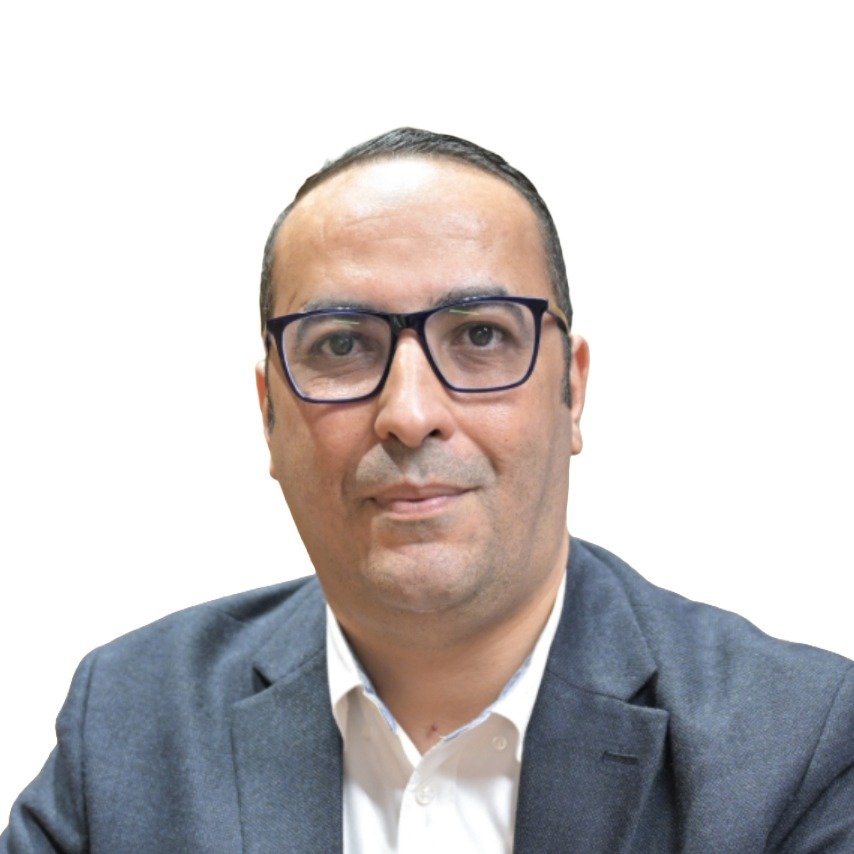
Dr. Mahfoud Amara is an Associate Professor in Sport Social Sciences and Management at Qatar University.