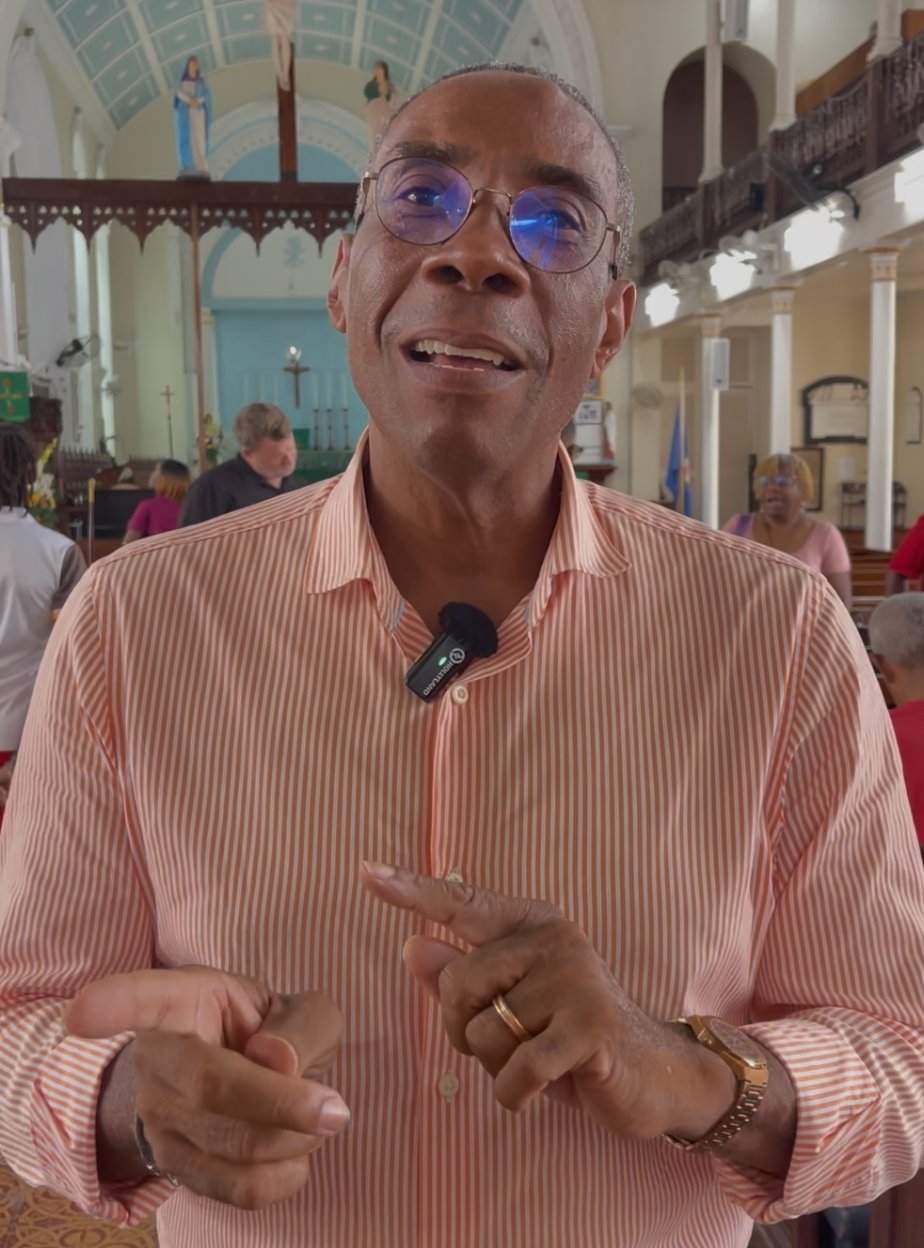
Barbados’ rum and molasses industry proved remarkably resilient after losing one of its most lucrative export markets following the American War of Independence, historian and researcher Dr Frederick Alleyne told audiences gathered at St Mary’s Church on Thursday as part of Heritage Month celebrations.
Delivering the latest Lunchtime Heritage Lecture, Dr Alleyne traced the evolution of the island’s rum industry from the early colonial period, arguing that rum has been far more than an alcoholic beverage, it has been a pillar of Barbadian identity, trade and economic survival for centuries.
“The lecture was to look at how important the rum industry has been to the Barbadian economy from the 1640s up until; I came as recent as last year, but generally in the period after the American Revolution, what the impact the American Revolution had on the sugar industry because we are exporting a sign. In fact, the majority of our rum and molasses was going into that market.”
He explained that independence in the former American colonies dramatically altered Barbados’ trading landscape.
“Before those colonies became independent; after that, we lost the market. Basically, it was just a trickle going into that market. So, we had to be diversifying our exports of rum and molasses to other places.”
According to Alleyne, the island responded by finding new destinations for its products while relying increasingly on domestic consumption.
“So, you’re seeing that trend away from the United States into other areas. A lot of the rum went to the other parts of the Caribbean. Some went to Canada and of course a lot was consumed in the island.”
His lecture outlined how rum production evolved alongside Barbados’ sugar industry, which expanded significantly during the 17th and 18th centuries. By the mid-1700s, the American colonies had become a major destination for Barbadian rum and molasses exports, making the disruption caused by the American Revolution especially devastating for planters, merchants and the wider economy.
Yet despite wars, changing markets, natural disasters and shifting consumer tastes, the industry adapted and endured.
Alleyne said the story of rum demonstrates how historical records can reveal broader truths about Barbadian society and resilience.
The lecture formed part of activities marking Heritage Month, with Senator John King urging Barbadians to reconsider the way they view one of the island’s most internationally recognised products.
“So the main reason I was here today, it’s part of our celebrations of Heritage Month. And I really wanted to be here to really hear a little bit more about rum and its production and also the places where rum went.”
He suggested that rum is often unfairly judged by Barbadians despite its importance to the country’s development and global reputation.
“One of the things that I’ve always been concerned about is that when you talk about spirits, Barbadians seem to have a very negative philosophy when it comes to rum drinking,” he said.
“So you hear people say ‘don’t go in a rum shop’ and ‘You’s a old rum drinker’ or whatever. But you never hear people say you’re a wine drinker or you’re a whiskey drinker or you’re a vodka drinker because they look at these things as having more value than what they produce themselves.”
King argued that embracing the history of rum should form part of a broader appreciation of Barbadian innovation and achievement.
“So for me, I’ve always been on this mission to try to get Barbadians to view rum as part of our innovation, part of our heritage, part of our history and an integral part of our exports also.
“So this thing is so valuable and people all over the world use rum for celebrations and all sorts of things. On the other hand, we start to think negatively about it and have a lot of appreciation for whiskey from this place and vodka from this place and all this stuff.
“But for me, rum is it.”
While stressing that he was not promoting excessive alcohol consumption, the senator encouraged a more balanced perspective.
“And I’m not encouraging people to over-drink, but I say drink responsibly. But if you got to drink, drink rum.”
(LE)