KPL
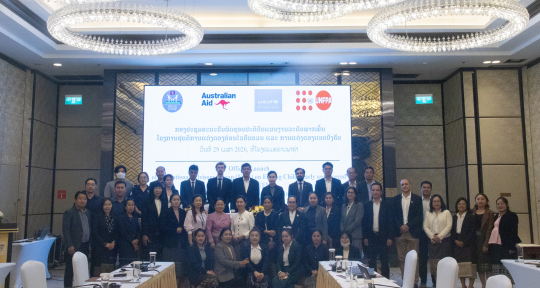
The Government of the Lao PDR today launched the National Advisory Group on Child, Early and Forced Marriage, in collaboration with the Australian Government, UNICEF, and UNFPA.
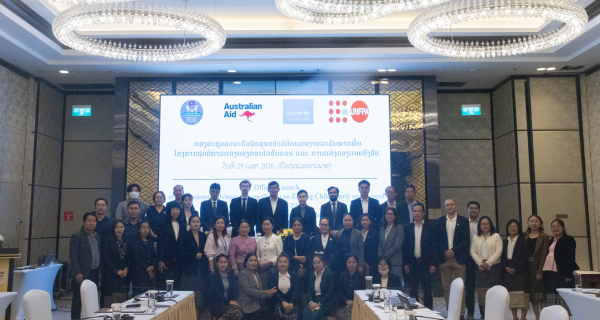
The new platform aims to strengthen coordination, sharpen priorities and accelerate action to protect adolescent girls—ensuring they remain healthy, stay in school, and stay on track for the future.
Chaired by the National Commission for the Advancement of Women, Mothers and Children (NCAWMC) under its coordination mandate, the National Advisory Group brings together government bodies, the UN, and various partners. This initiative is part of the Australia-supported Towards Universal Sexual and Reproductive Health and Rights in the Indo-Pacific (TUSIP) regional programme, which is scheduled for implementation from June 2026 until June 2028.
“The launch of this National Advisory Group reflects the Lao Government’s commitment to stronger, more coordinated action to successfully end child, early and forced marriage,” said Ms Phanchinda Lengsavad, Vice President of the Lao Women’s Union and Vice Chairperson of the NCAWMC. “Protecting adolescent girls and expanding their opportunities is essential to the well-being of families and to the future development of our country.”
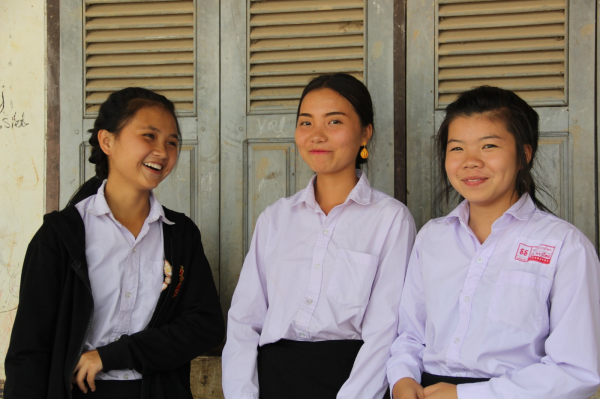
Child, early, and forced marriage remains a serious challenge across the region, driving adolescent pregnancy, school dropout rates, poorer health outcomes, and fewer economic opportunities for girls.
Annual Losses
Recent analysis by UNICEF and the Lao Academy of Social and Economic Sciences estimates annual losses of roughly US$40 million. Productivity: This figure includes lost productivity directly associated with girls leaving school prematurely.
“Australia is pleased to support the Lao PDR, UNICEF, and UNFPA through TUSIP,” said James Morschel, Acting Deputy Head of Mission at the Australian Embassy in the Lao PDR. “Ending early marriage is not only about protecting rights and health; it is also about helping girls stay in school, build skills, and contribute to the country’s development.”
The National Advisory Group will provide strategic guidance, strengthen alignment with national priorities, and help shape future action to address child, early, and forced marriage in the Lao PDR.
“Child, early and forced marriage limits girls’ choices and opportunities,” noted Bakhtiyor Kadyrov, UNFPA Representative to the Lao PDR. “Stronger coordination, better evidence, and sustained partnerships can help ensure every girl can shape her own future.”
Through TUSIP, UNICEF and UNFPA are working with line ministries, mass organisations, and local partners in a collective effort to address the drivers of early marriage.
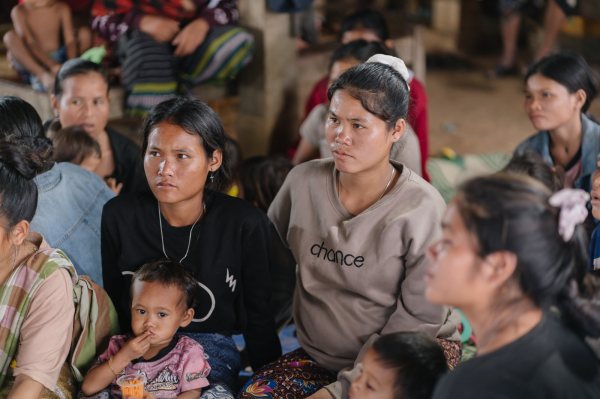
“When a girl stays in school, avoids early pregnancy, and gains skills, the benefits reach far beyond one child,” said Mr Bilal Aurang Zeb Durrani, UNICEF Country Representative to the Lao PDR. “This is how countries build human capital, strengthen communities, and move closer to inclusive, sustainable growth.”
This initiative supports the Lao PDR’s broader development ambitions, including the goals of the National Socio-Economic Development Plan, by empowering girls to delay pregnancy and contribute more fully to the nation’s social and economic progress.