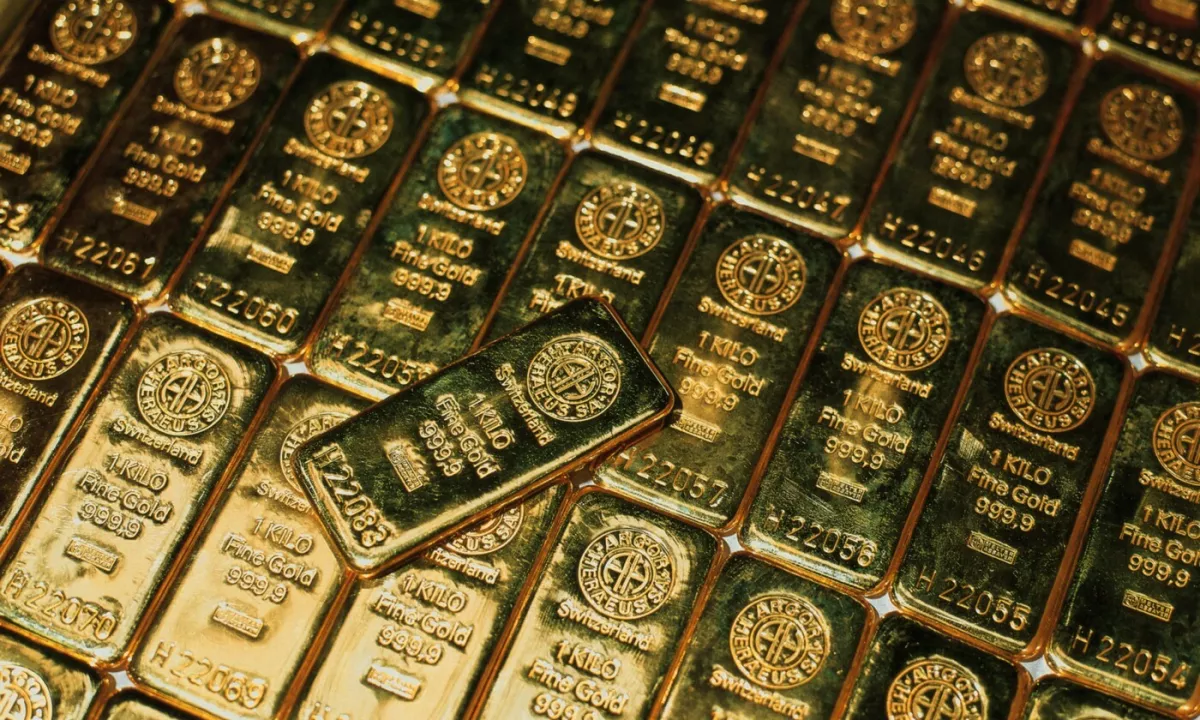
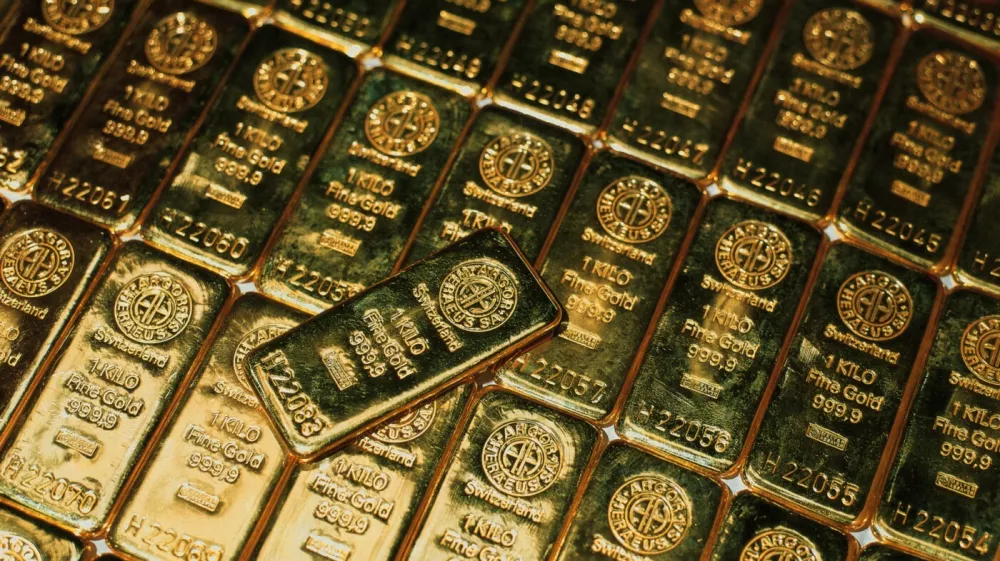
Germany has huge gold reserves, and some economists and politicians think it may be time to put some of that “crisis savings” to use. Photo: Profimedia
Germany has the second largest gold reserves in the world. Time to cash it in?
The economist proposes selling part of Germany’s gold reserves, worth about 440 billion euros, to relieve citizens and the economy.
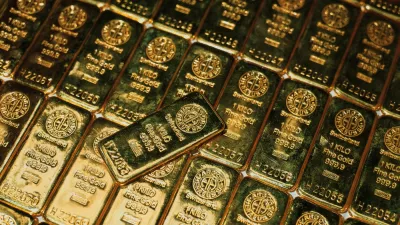
The German central bank (Bundesbank) owns 3,350 tons of gold, which is the second largest stockpile in the world, after the United States. Since the price of gold has recently exceeded 4,700 dollars (about 4,140 euros) per ounce, the value of these reserves has grown to about 440 billion euros.
Marcel Fratzscher, president of the German Institute for Economic Research (DIW), believes that this is a “huge crisis stockpile” and that it would make sense to at least partially use it.
He told the t-online media that the proceeds could be used to relieve citizens and businesses or invest in education and infrastructure.
The initiative comes at a time when the cost of living is rising again. The so-called automobile index, which tracks the prices of products and services related to driving, was 6.7 percent higher in March 2026 than a year earlier, according to data from the German statistics office.
Gold repatriation talks
Representatives of the German Taxpayers’ Association warn that confidence in the United States has weakened, so it would make sense to return the gold to Germany.
In March 2026, the right-wing AfD party submitted a proposal to parliament to return all German gold reserves to the country. They even went further and hinted that gold could one day back a possible national currency instead of the euro.
The proposal was harshly criticized in the parliament and characterized as frivolous and ideological.
The SPD and Green parties argued that the gold is safely stored in the USA and that the current system works stably. The Left raised the question of whether part of the reserves could be sold.
The Bundesbank consistently rejects the idea of selling gold, seeing it as a long-term anchor of confidence in the country’s financial stability.