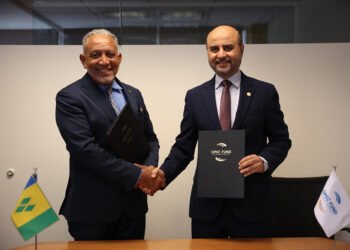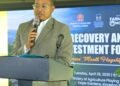
CURRENTLY BEING IN Torarica in Suriname sets course for an international education conference that, according to the Ministry of Education, Science and Culture, should be ‘an important step towards renewal of the education system’. According to Minister Dirk Currie, it will provide the fundamental impetus ‘to the transformation of national development’, with the ultimate goal being ‘an educational methodology that seamlessly meets the specific needs of Suriname’.
High-profile experts from many corners of the world have flown to Suriname to shed light on the many challenges facing the ailing education system. But in recent years, more conferences, conferences, dialogues and other meetings have been held where education and innovation have been central.
Foreign guests are usually present at all these meetings, but the people who really matter – teachers, parents and students – have no say whatsoever.
In 2013, for example, the National Assembly, which was then chaired by current President Jennifer Geerlings-Simons, already organized an international education conference. In doing so, she presented a ‘broad education plan’ that emphasized ‘identity, understanding between ethnic groups and the role of teachers’. In her view, teachers should be recognized as a special professional group, with an academic income as a right ‘and without the need to keep studying to earn more’, she said decisively at the time.
The NDP led the government for another seven years, but was unable to translate the outcomes of this congress into concrete actions. The education dialogue in 2019, organized by NDP minister Lilian Ferrier, and the large-scale conference with the theme ‘Building the Future of Education Together’ in 2023 under Minister Henri Ori (VHP) also yielded little. During the latter, the National Education Policy Plan Suriname 2024-2031 was presented, which laid down the contours of what education should look like in the future. Little was done about that either.
The why is a mystery, because it was put together by real experts, not party loyalists. But because this happened under a government of a different signature, it has been thrown in the trash and the new rulers want to reinvent the wheel. Foreign guests are usually present at all these meetings, but the people who really matter – teachers, parents and students – have no say whatsoever. While they are confronted every day with the consequences of possible decisions.
The chaos that arose when NPS Minister Marie Levens pushed through her educational reform during the previous government period is still etched in the memories of many teachers, parents and students. So you might expect that current policymakers have learned a lot from this and are also explicitly involving these groups in any changes.
The conferences also cost a lot of money. That could have been better spent on things that are really needed in education. Such as (more) books for students, furniture, maintenance of the school buildings and good internet connections. And not to forget more salaries for the teachers. Geerlings-Simons already advocated the latter in 2013, but now that she is president, the right to a good income is apparently no longer a priority.
She now expects concrete proposals at the end of the current Congress, including a sustainable financing model for education and a framework for a new education law. However, given the experiences since 2013, it must be feared that little will emerge from this conference again. And that many teachers will continue to make do for the time being and that students will have to make do with the few resources that education offers. So far they have only gotten further from the rain into the drip.