Newly appointed National Contemporary Dance Company artistic director revisits her signature work, ‘Mongyudowonmoo’
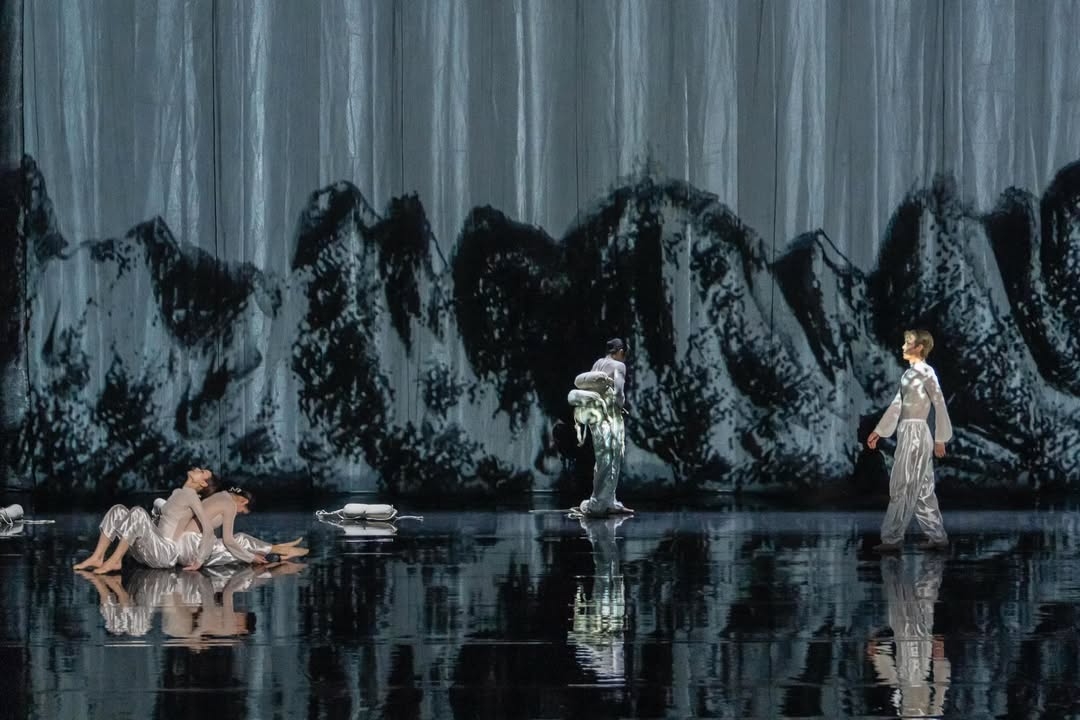
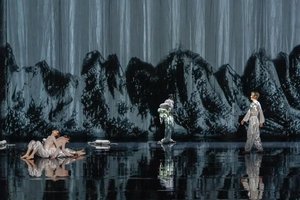
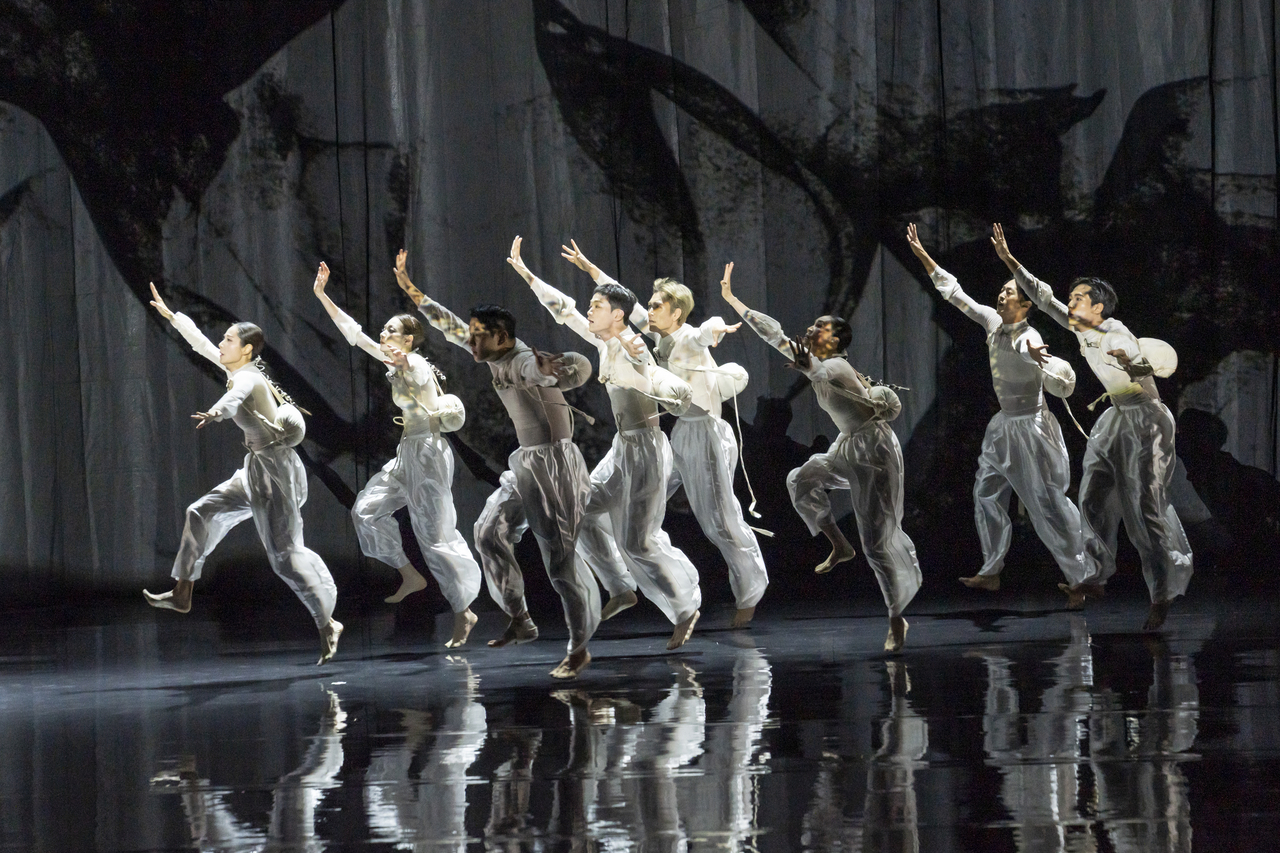
A group of travelers traverses an endless range of mountains with bundles slung over their backs. They sweep across the floor on their knees, shifting from side to side, and stooping under invisible burdens as they labor forward one step at a time.
Then, as if momentarily released from gravity itself, they burst into free, weightless runs. At times, they move hand in hand. Moments later, they scatter across the stage, each tracing a different path.
As bodies overlap and intertwine, they merge with media art to create a living landscape — rugged mountain ranges, rolling hills and surging waves — unfolding like an ink-wash painting in motion.
The journey feels both like a pilgrimage and a metaphor for life: a winding search for an elusive utopia. What, then, awaits at the end of that journey?
Choreographer Cha Jin-yeob offers her answer in “Mongyudowonmoo,” which wrapped up its latest run last weekend.
Since premiering as part of a double bill in 2022, the production has become one of the National Dance Company’s signature works. Revived in 2024 and returning for a third run this year, the piece has evolved with each staging, accumulating new layers of meaning and experience along the way.
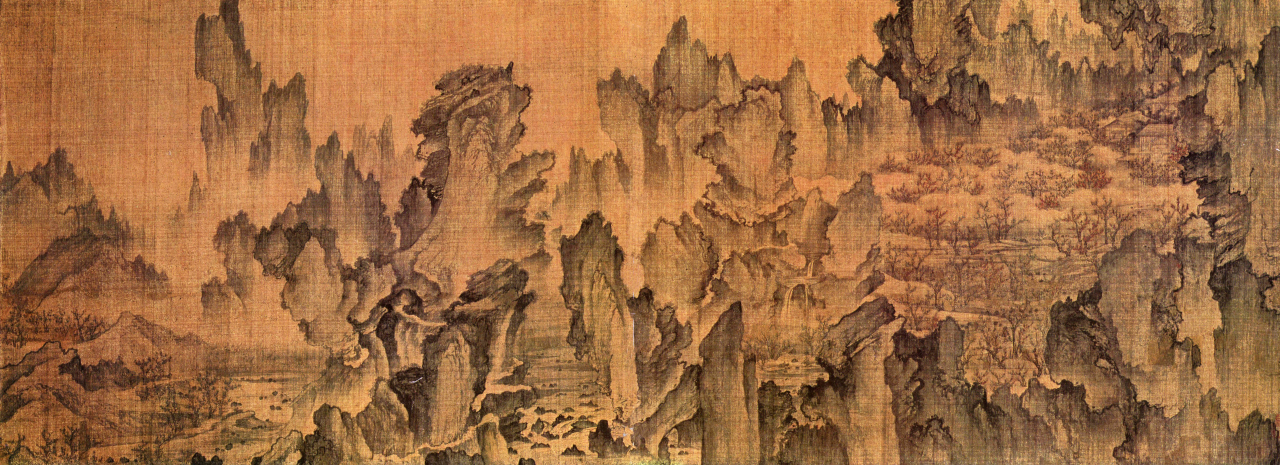
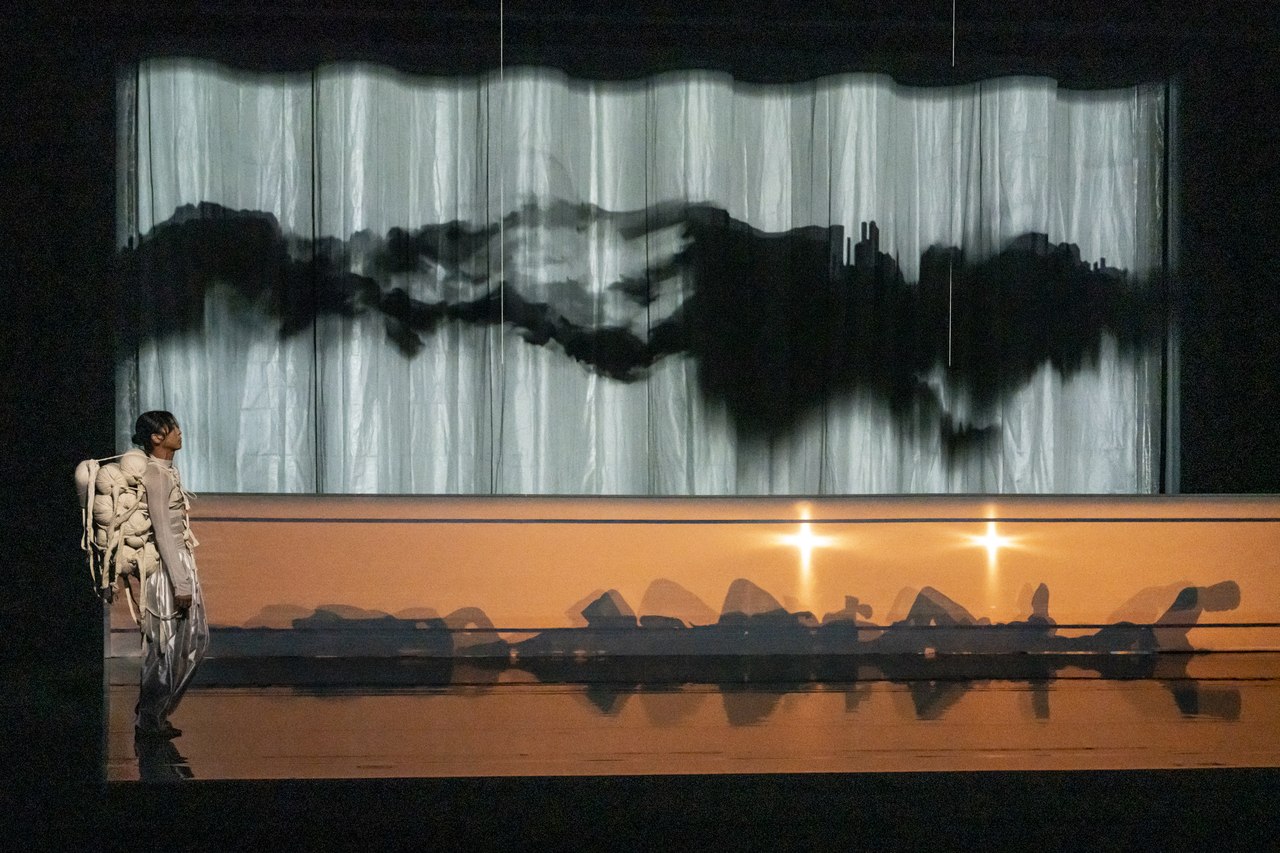
Its starting point was the Korean expression “gubi gubi.” It describes the repeated bends of a mountain path or river as it winds through the landscape. Inspired by “Dream Journey to the Peach Blossom Land,” the celebrated 15th-century painting by Joseon artist Ahn Gyeon, Cha shifts the perspective from the painting’s bird’s-eye view of layered mountains to the paths that wind through them, tracing humanity’s search for an ideal world.
“To me, the dance is about how we care for one another,” she said in a recent interview with The Korea Herald. “How carefully I hold my dance, how sincerely I offer it to someone else, and how that sincerity can become mutual care.”
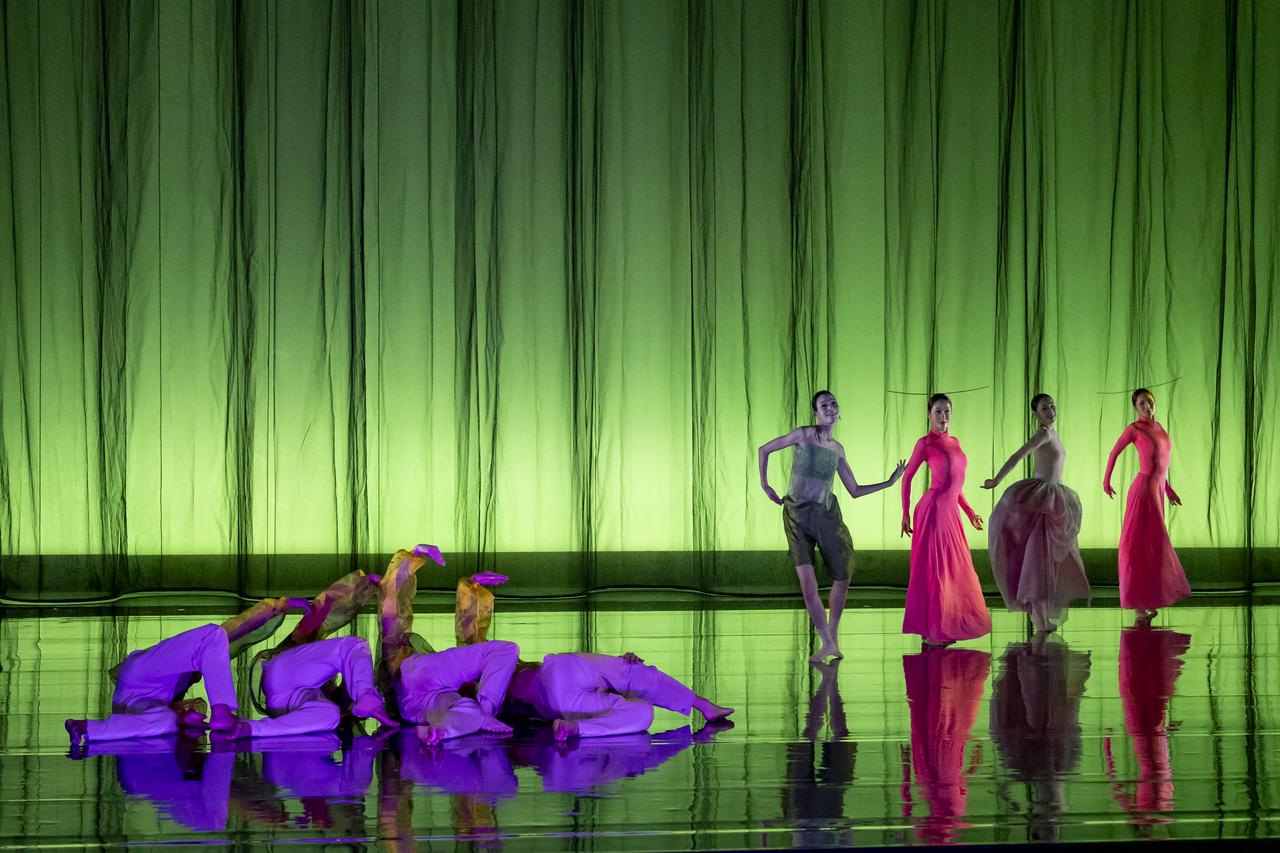
Beyond the winding path lies an imagined utopia in the second act. The monochrome landscape gives way to bright greens and pinks as the dancers reappear in costumes resembling leaves, flowers and tiny woodland creatures, transforming the stage into a lush world pulsing with life.
“Ultimately, the work speaks about harmony, relationships and coexistence. We cannot live as isolated beings. I hope we can see one another with greater tenderness and care.”
Process behind creation
Cha’s philosophy on dance has shaped both the work itself and the process behind its creation.
“A dancer’s technique and artistry are important, of course, but I’m also curious about the human being behind the body,” the 47-year-old choreographer said. “How can that person’s unique beauty and individuality find their way onto the stage? I’m always asking how dancers themselves can become part of the work.”
That, she said, is why conversation plays such a central role in her creative process. Rather than setting aside time to formally discuss dance or life, those exchanges happen organically — before rehearsals, after rehearsals and in the quiet moments in between. Discussions touch on choreography, everyday life and whatever else arises.
“Those conversations help us discover one another. And those discoveries eventually find their way into the work.”
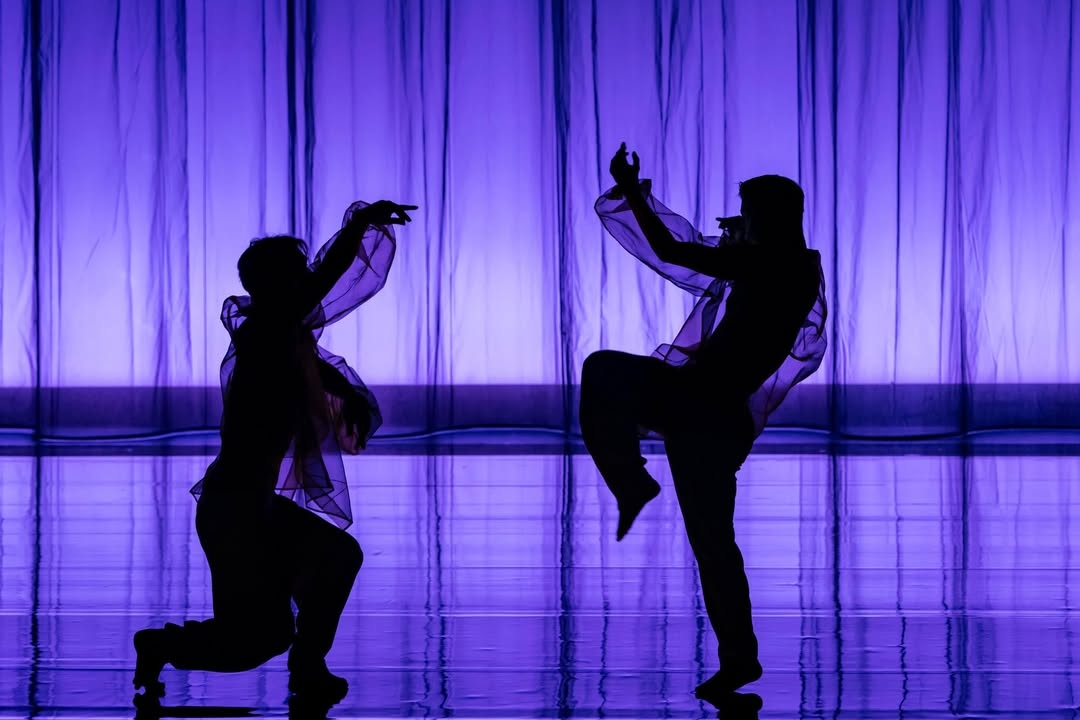
Over the years, each revival has become an opportunity for discovery rather than correction.
“So the revival isn’t about filling in what was lacking. We simply come to know each other more deeply. We find things we couldn’t see two years ago.”
For veteran dancer Kim Mi-ae, who has taken part in all three biennial runs, the process has been a rare opportunity for discovery. Although the company members see one another every day, each rehearsal reveals something previously unnoticed.
“It feels like layers slowly accumulating,” Kim said. “Over time, those layers deepen our relationships — not only between the choreographer and the dancers, but among the dancers themselves.”
“Most dance companies don’t have the time,” Cha added. “Even for me, making space for so much conversation is a conscious choice. The time pressure exists for me, too, but this preparation ultimately allows me to work faster.”
Cha describes choreography as “a meeting of worlds.”
“Instead of creating everything alone and asking the dancers to enter my world, I think of it as creating the work together,” she said. “I invite the dancers into my world, but at the same time their own worlds unfold alongside mine. Those worlds merge, inspire one another and continue to evolve.”
Body as lens
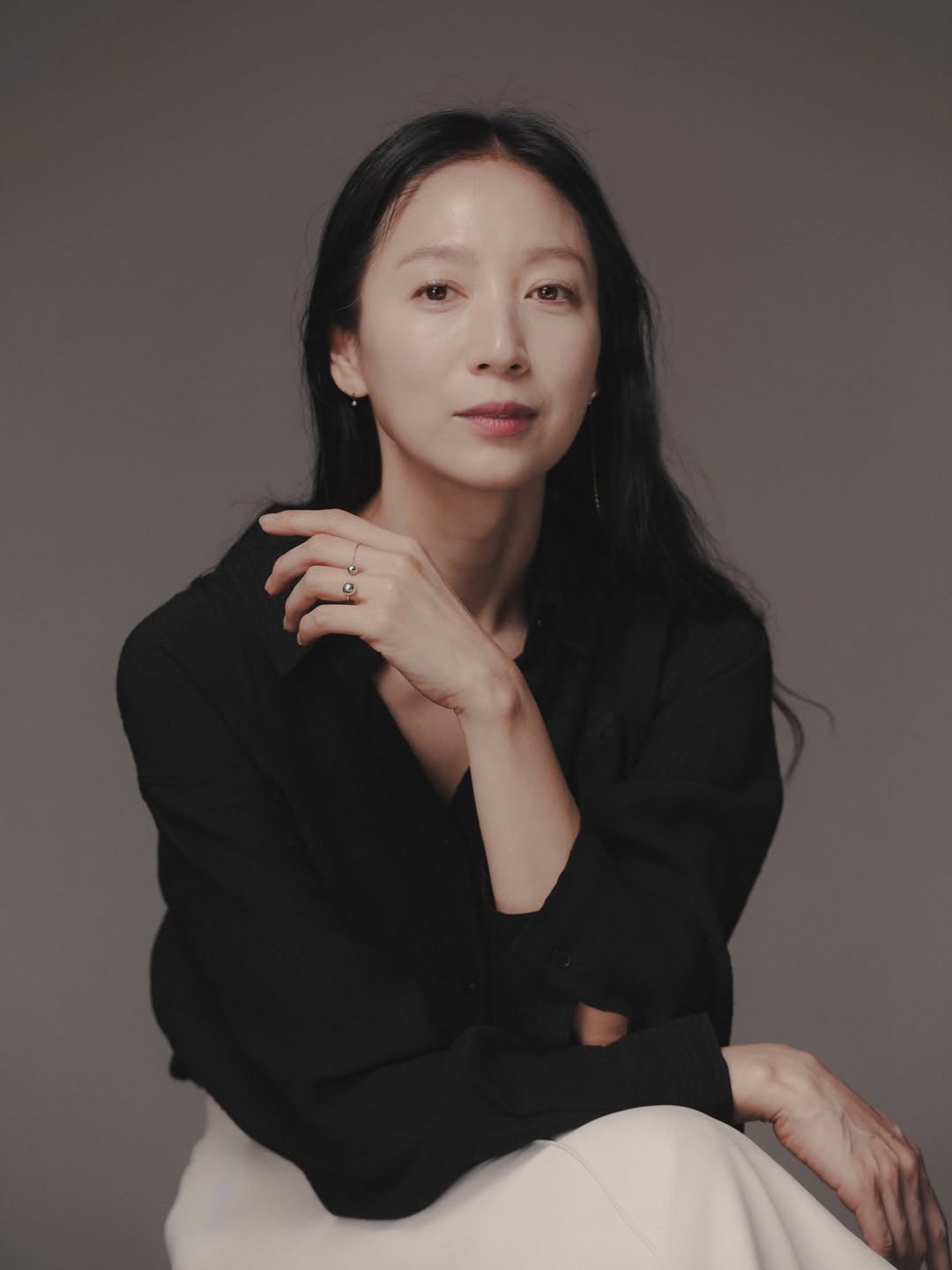
With her recent appointment as artistic director of the National Contemporary Dance Company of Korea, attention is now turning to how Cha will shape the state-run ensemble’s future.
The dancer-turned-choreographer has built an international career, performing with companies including the Hofesh Shechter Company and the Netherlands’ NND/Galili Dance. She also choreographed the opening and closing ceremonies of the 2018 PyeongChang Winter Olympics. Through her own company, Collective A, Cha has developed works such as the “Body-Go-Round” series, exploring the possibilities of movement through an ever-evolving dance language.
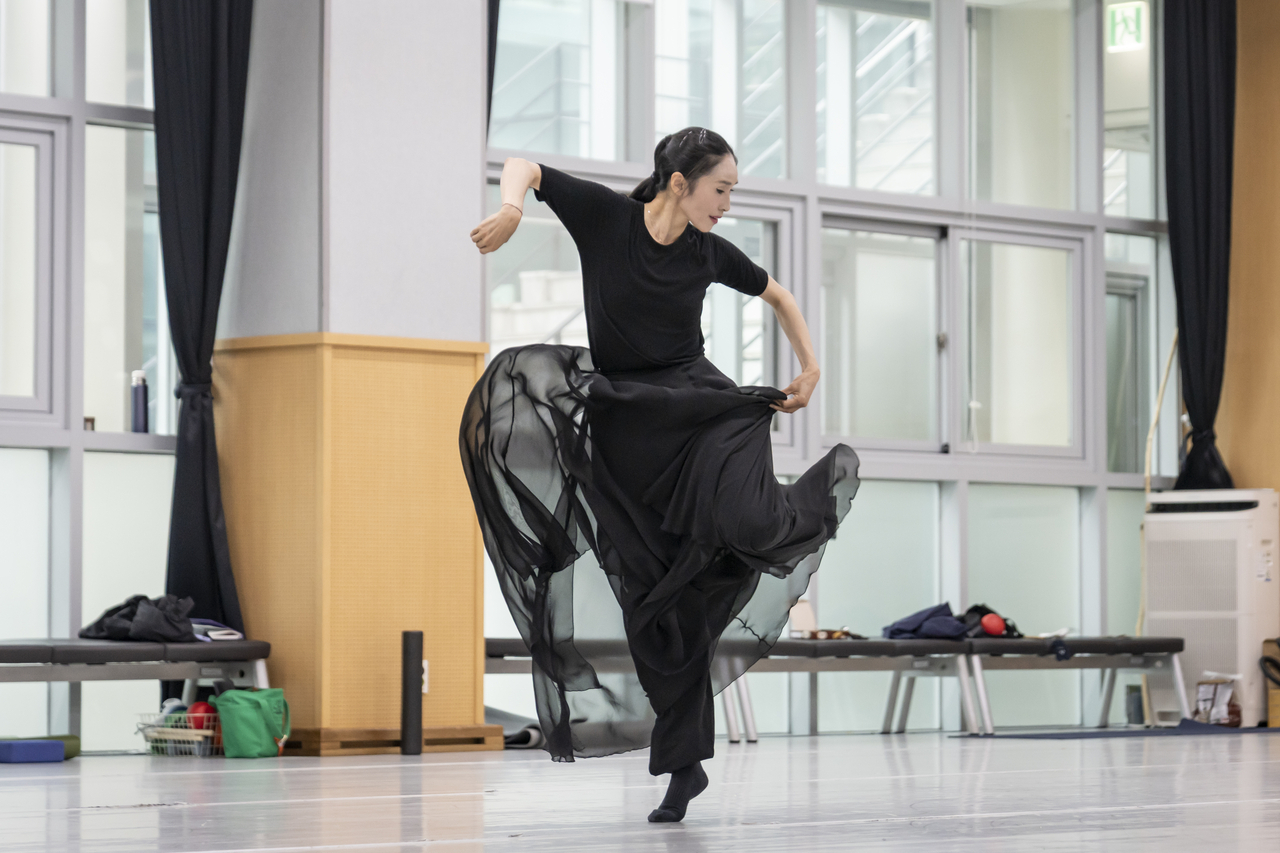
Her attention to the human body, she said, will remain at the center of her artistic vision. For Cha, the body extends beyond physical form; it is a record of a person’s life and experiences.
“The word ‘contemporary’ is about the present moment. That’s why I’m interested in the stories today’s bodies carry,” she said.
“As a dancer, my growing curiosity about myself and my own body naturally led me to look outward: How do other people live? What kinds of bodies do they have? How do they move? How do they dance?”
Those questions inevitably connect to broader social concerns.
“When I speak about the body, I don’t simply mean the physical body. I mean the body as human existence. Then you begin asking how we can live well together and what role art can play.”
That way of seeing ultimately matters more than choreography itself.
“I want even people who don’t dance to care for their own bodies with sincerity,” she said. “Then they may begin to see a dancer’s body differently. They may see movement differently. And perhaps, after watching a beautiful dance, they will return to their own daily lives and care for themselves with the same attention.”
hwangdh@heraldcorp.com