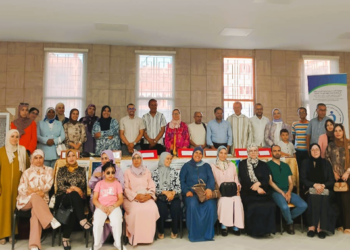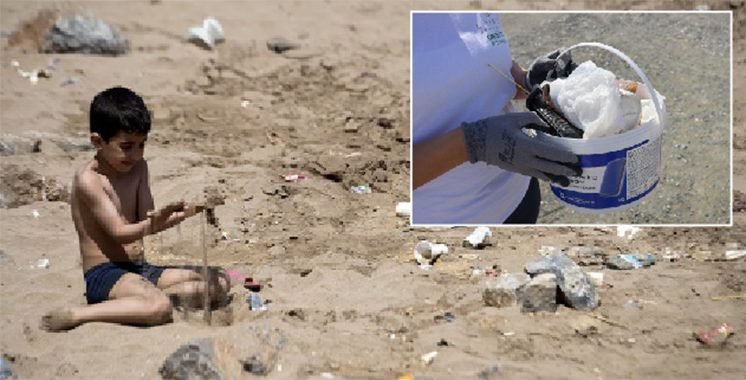
This pilot project aims to reduce single-use plastic packaging at source within a local market in the Rabat-Salé-Kénitra region. (© Fadel Senna)
Environment : Faced with the growing scale of plastic pollution, Morocco is now tackling this challenge by focusing on raising awareness and reducing it at source to preserve the environment.
Open from October 2025 to early January 2026, BeMed’s 10th call for micro-initiatives sparked strong mobilization with nearly 140 applications from the entire Mediterranean basin, almost double the number from the previous year. This dynamic demonstrates a growing commitment from stakeholders in the field. According to Claire Richard, BeMed coordinator, “the growing number of applications received during our 10th call for micro-initiatives is extremely encouraging.
It demonstrates a strong dynamic across the entire Mediterranean, with an ever-increasing number of local actors mobilizing to implement concrete solutions against plastic pollution.” This year, a Moroccan initiative was recognized for its concrete and replicable approach: Zero Waste Skhirat – Transformation of a pilot market into a model for reducing plastic packaging and reuse. This pilot project aims to reduce single-use plastic packaging at source within a local market in the Rabat–Salé–Kénitra region. It is based on the implementation of adapted reuse solutions, combined with positive incentive mechanisms to encourage changes in behavior. The initiative is based on the mobilization of local stakeholders, notably traders and plastic bag sellers, in order to co-construct sustainable alternatives. The objective is to demonstrate that a plastic-free market model can be both viable, replicable and beneficial for the entire community.
As for Nadir Sinaceur, president of Zero Waste Skhirat, he declared: “With the Zero Waste Skhirat project, we want to demonstrate that it is possible to concretely reduce single-use plastic packaging in traditional Moroccan markets thanks to simple, realistic solutions adapted to local uses. By working directly with traders, citizens and stakeholders already present in the local ecosystem, including the informal sector, the project aims to gradually experiment with alternatives based on reuse and waste reduction, such as the use of reusable containers, deposit mechanisms or even solutions adapted to the fruit and vegetable, dried product and fish sectors.
Traditional markets constitute an essential lever for action because they concentrate a high daily consumption of disposable packaging while being places deeply anchored in local economic and social life. Beyond the pilot carried out in Skhirat, the ambition is to identify the most effective and socially acceptable solutions in order to be able to gradually adapt and reproduce this model in other Moroccan territories facing the same challenges of reducing plastic waste. »