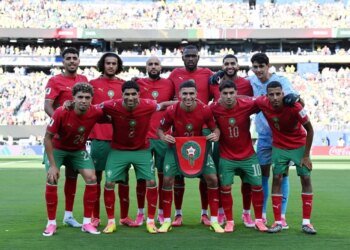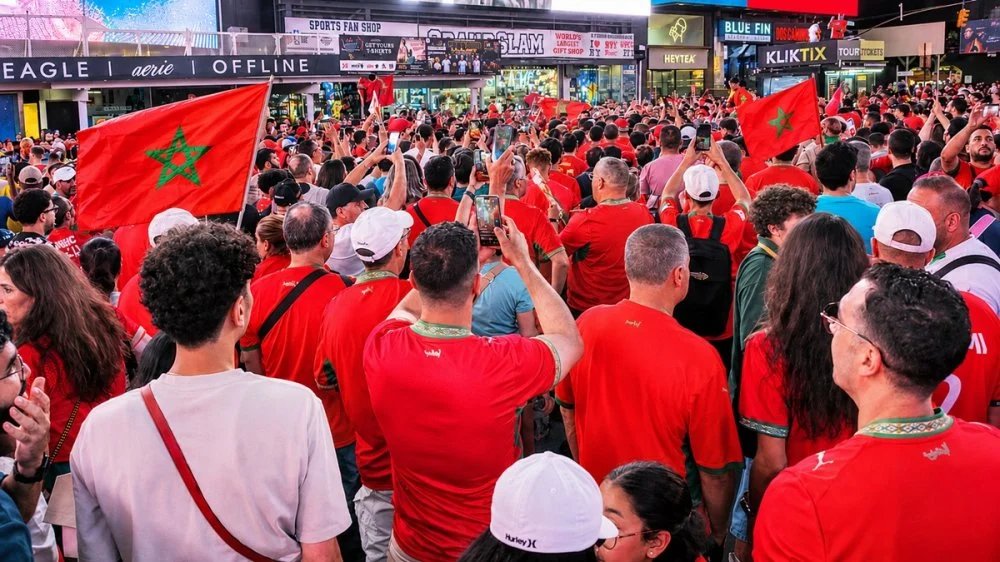
In 2026, follow the Lions of the Atlas in World Cup is no longer just about waiting 90 minutes for a match. From now on, the adventure is lived continuously, through the images of those who made the trip and those who tell the story of the competition from the Morocco.
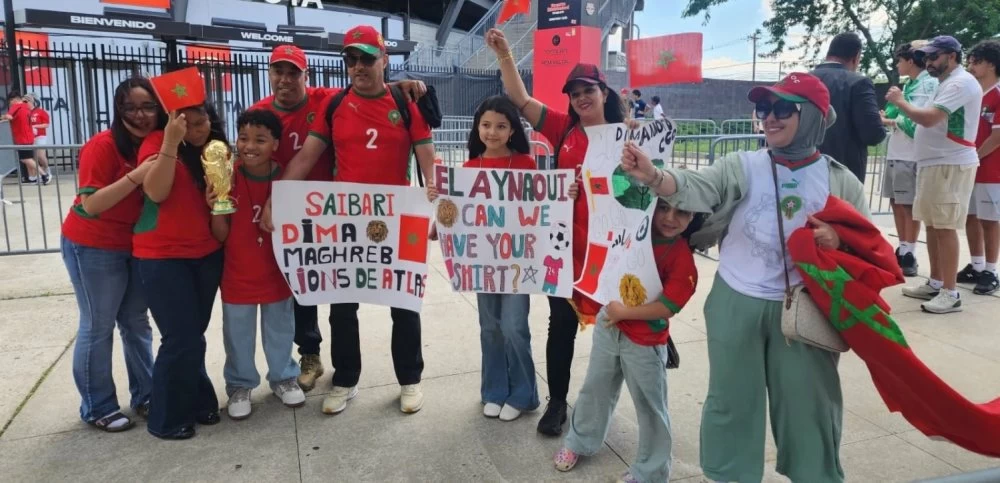
A parallel World Cup is written like this every day: more spontaneous, closer and supported by a Moroccan community who wants to see everything, share everything and not miss anything. Indeed, on the social networksMoroccan influencers have become the new daily reporters. Some left for the other side of the Atlantic to accompany the Atlas Lions, others remained in Morocco but follow every detail of the adventure, sharing analyses, reactions and images from abroad. We are then witnessing a World Cup that can be experienced before, during and after the matches.
Supporters turned content creators
For several weeks, Moroccan creators have been documenting their journey from the start to the competition’s host cities. In their videos, we discover behind the scenes that traditional cameras rarely show: the hours of journeylooking for a hotelthe journeys between American cities, the queues, the meetings with other supporters or even the moments of fatigue after long days.
But what particularly attracts Internet users are the small details of everyday life.
How much does a meal cost? UNITED STATES ? What budget should you plan for to follow the Lions? How do Moroccan supporters live there? What is the atmosphere like in the streets before a match?
So many questions answered by these new chroniclers of the Globalphone in hand.
Some share their culinary discoveries, test restaurantsshow local specialties or tell their first impressions of the sometimes high prices in American cities. Through their videos, the Moroccan public discovers another facet of the competition: that of travel, resourcefulness and the human experience. “I have the impression of traveling with them,” explains Yasmine, 24, who has followed several Moroccan creators since the start of the tournament. “It’s not just the match that interests me. I want to see the atmosphere in the streets, the supporters, the songs, the meetings with foreigners. They show things that you don’t necessarily see on television.”
The Moroccan atmosphere crosses the Atlantic
In the cities hosting the matches, Moroccan supporters have quickly become one of the most visible elements of the decor. Videos showing chants in the streets, Moroccan flags in public spaces or impromptu gatherings are very successful. The creators capture these moments of emotion: families who came to support the Lions, young people who saved for months to experience the World Cup, or even Moroccans settled abroad who find a festive atmosphere. Some Moroccan supporters also share exceptional trips, sometimes made with limited means, but driven by a single motivation: to be present to support the Lions. Each publication becomes a piece of a great collective story. And even those who did not make the trip participate in this narration.
In Morocco too, the World Cup continues on the screens
Remaining in the country, several content creators play another role: they select, comment on and relay the images that circulate from the UNITED STATES. On TikTok, Instagram Or YouTubethey decipher the matchesanalyze player performances, react to highlights and share the most notable videos. Their strength: creating a permanent conversation around the competition. Before the match, supporters seek the latest information. During the meeting, they follow the reactions. After the final whistle, they want to watch the highlights, behind the scenes and testimonials again. And that’s exactly what these content creators do.
A new memory of the World Cup
For the sociologist Hamid Wajdithe explosion of content around the World Cup illustrates a profound transformation in the relationship that supporters have with sport. “For a long time, the fan was essentially a spectator. He watched a match, commented on the result with those around him and kept his experience private. Today, with social networks, he is also becoming an actor in the event. He films, he tells, he shares and himself participates in building the story around the competition,” he analyzes. According to him, major sporting events are no longer limited to the 90 minutes played on the pitch. They become global experiences where every detail can take on importance: the journey, the atmosphere in the streets, the meetings between supporters, the emotions in the stands or even the difficulties encountered in following your team. “The World Cup has become an event that is experienced even before kick-off. The fan no longer just wants to know the score. He wants to see what is happening around: how others experience the event, how a city is transformed, how a community comes together,” he explains.
The sociologist believes that content creators now occupy an intermediate place between supporters and traditional media. “They do not replace sports journalism, but they bring something else. They give access to a more personal, more spontaneous experience. Their strength is in showing behind the scenes: a bus ride, a wait in front of a stadium, a meal shared with other supporters, an impromptu discussion with a stranger. These are simple moments that become important because they tell the human experience behind the match.
For Hamid Wajdi, this proximity largely explains the success of this content with the Moroccan public. “The Internet user has the feeling of being close to the person who is filming. He no longer just looks at an image from afar, he follows a person with whom he creates a form of bond. When a creator shows his arrival in an American city, his hotel, his expenses or his meetings, the public has the impression of participating in the journey.
This new way of following the competition also responds to a change in digital habits. “We have moved from passive consumption to interactive consumption. Before, the emotion was concentrated at the time of the match. Today, it is permanent. It begins with the preparations, continues during the meeting and continues afterwards through reactions, debates and shared memories. The sociologist also underlines the identity role played by this content, particularly during major international competitions. “THE soccer is not just a sport. It becomes a space where collective emotions are built. The videos of Moroccan supporters in the United States, the chants in the streets or the gatherings around the Lions create a feeling of belonging that goes far beyond the sporting framework.
According to him, social networks are thus helping to write a new memory of the World Cup. “In a few years, many fans will not only remember the result of a match. They will also remember a video, an atmosphere, a moment shared online or a story discovered during the competition. Social networks become a kind of popular archive of the event.”
For Hamid Wajdi, this 2026 World Cup therefore confirms a trend already observed during previous major competitions: sport is played on the pitch, but it is now told everywhere else.