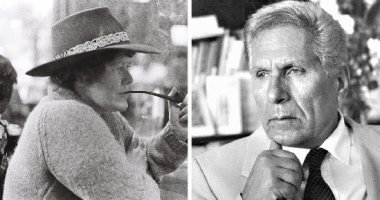
He meets Egypt national teamits counterpart, the New Zealand national team, at four in the morning tomorrow, Monday, in the second round matches of the first round of the tournament World Cup 2026Away from the atmosphere of the green rectangle, the confrontation carries a remarkable cultural dimension, as Egypt brings to mind a great literary legacy through the great writer Youssef Idrisone of the most prominent symbols of the short story in Arabic literature, and the author of works that deeply dealt with the Egyptian person and his social and humanitarian transformations, while New Zealand stands out through the Booker Prize-winning writer Kerry Holm for her famous novel “The Bone People,” which established the presence of New Zealand literature globally.
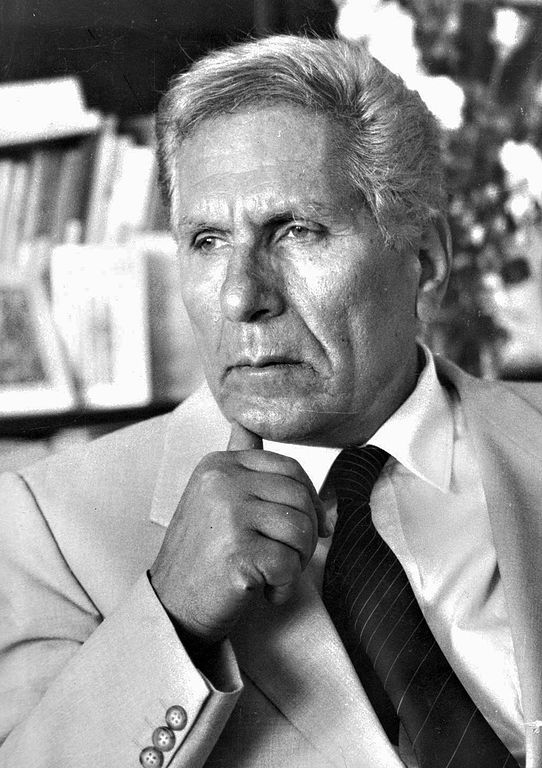
Youssef Idris
Youssef Idris was one of the most prominent pioneers of Arabic literature during the twentieth century. He was nicknamed “The Prophet of Story.” He was born into a middle-class family in Sharkia Governorate. His father specialized in land reclamation. Chemistry and science were among Youssef’s favorite sciences. He wanted to be a doctor. He excelled in his studies until he joined the Faculty of Medicine, from which he graduated as a surgeon, through Cairo University in 1951 AD. He worked for a period in the Ministry of Health, before devoting himself to writing and composing. At first he wanted to work as an actor, and when he failed, he wanted to work. Theater director.
His professional journey in the medical field began from Qasr Al-Aini Hospital, where he was appointed in 1951 AD, after graduating from the Faculty of Medicine in the same year, but the path changed to Her Majesty’s Court, when he moved to work as an editor in “Al-Gomhouria” newspaper in 1960 AD.
Youssef Idris began his literary career with short stories he wrote in 1950, but he published his first collection of short stories, “The Cheapest Nights,” in 1954, which was a great success, which prompted the Dean of Arabic Literature, Taha Hussein, to say: “I find in it pleasure, strength, precision of sense, delicacy of taste, sincerity of observation, and skillful performance, just as I found in his first book, “The Cheapest Nights,” an in-depth understanding of life, an understanding of its minutes, and a strict recording of what happens in it.”
After that, Youssef Idris’s talent was evident in his second collection of short stories, “Farhat’s Republic,” in 1956. His stories met with great success, and his creativity did not stop at the borders of the short story. His creative revolution extended to the worlds of novels and theatre. In 1969, he published the play “The Planners.” Then he wrote “The Cotton King, The Critical Moment, The Farafir, and The Earthly Farce.” He also wrote many novels, “The Forbidden, The Shame, Al-Bayda, Was it necessary, Oh, Lee, to turn on the light?” New York 80″.
Youssef Idris
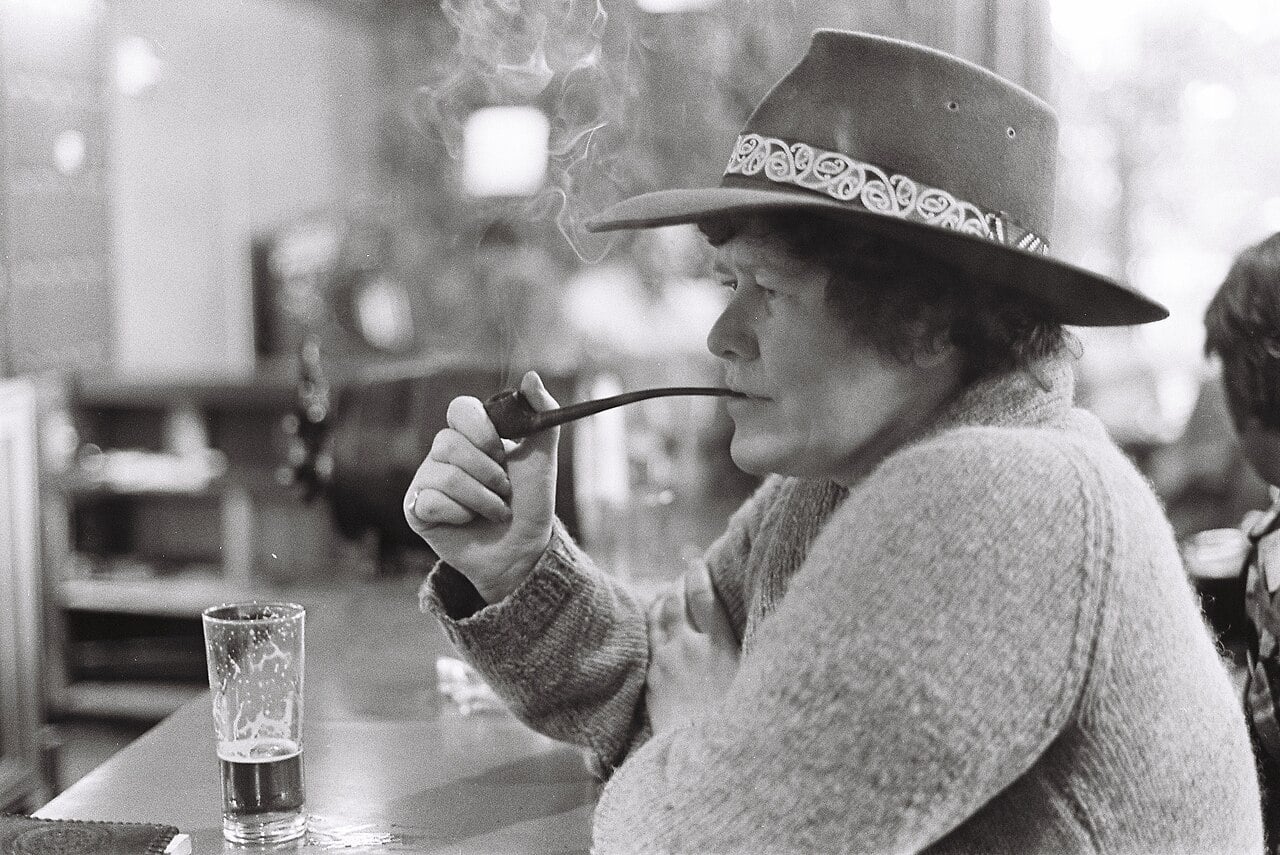
Kerry Holm
Kerry Hulme was born in Christchurch in 1947 to a mother of Scottish origins and a father of English origins. She was the eldest of six siblings. She took nearly 12 years to write her novel, Body of Bones, but New Zealand publishers were divided over the novel, some of whom rejected it completely and others demanded major amendments. Hulme declared at the time, saying: She preferred “mummifying the book rather than reworking it,” and in 1984 the book was published. Spiral, a small feminist press, which gave her an initial printing run of 2,000 copies, has since sold more than a million copies and won the Pegasus Prize for Literature as well as the Booker.
Kerry Holm was the first New Zealand writer to win the Booker Prize in 1985 for her first novel, The Bone People, which was described as “a unique example of magical realism.” Holm was so unconvinced of her chances of winning the Booker Prize that she did not attend the awards ceremony in London. When she was notified of her win by telephone during the international broadcast, she responded by saying, “It’s absolutely incredible.”
Kerry Holm