Text Jeff Cramer
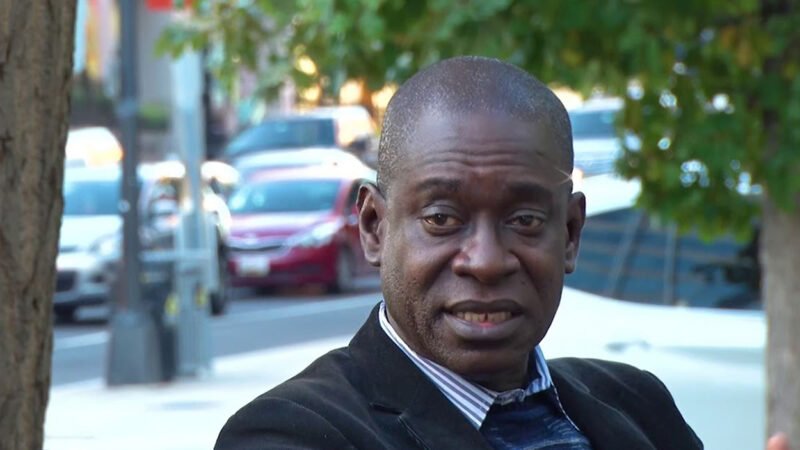
PARAMARIBO – According to former IMF advisor and chief negotiator Karl Eckhorst, Suriname must now convert the current economic stabilization into sustainable growth and increased productivity. He emphasizes that the country must do everything to enable the economy to earn money itself, so that it does not rely solely on future oil and gas revenues. Eckhorst makes these statements in light of the new Post-Financing Assessment (PFA) report from the International Monetary Fund (IMF).
Eckhorst states that the PFA marks a new phase in the relationship between Suriname and the IMF, now that the Recovery and Stabilization Program (2021–March 2025) has been formally completed. “The issue now is to determine whether Suriname will build up sufficient capacity to meet its repayment obligations from the end of 2027,” Eckhorst said in the television program Supreme Exclusive. Repayment of the approximately US$688 million EFF loan will begin after a two-year grace period, meaning the first payments will be due at the end of 2027.
Institutional strengthening
Economic growth and challenges The IMF concludes in the report that although the Surinamese economy is growing strongly, there are still persistent challenges. For the assessment, an IMF mission visited Suriname in the second quarter of this year to examine the economic prospects, the government’s financial position and expected revenue development.
The publication of the PFA follows shortly after the publication of the technical support report Strengthening the Fiscal Framework Ahead of the Anticipated Oil Boomwhich was drawn up at the request of the Surinamese government. This report contains recommendations for strengthening fiscal policy and institutional preparation for expected oil revenues. The IMF supports Suriname not only with policy advice, but also with expertise to actually implement these reforms.
Back to regular cycle
The termination of the IMF program has put an end to the intensive quarterly reporting. Suriname is now once again subject to the IMF’s regular Article IV surveillance, whereby the economy is in principle examined once a year.
Eckhorst, currently an advisor at the Inter-American Development Bank (IDB), emphasizes that the coming years are crucial for strengthening state finances.