Monday, May 4, 2026
    The GeoStrategic Consensus
    No Result
    View All Result
    • Login
    • HOME
    • AMERICAS
      • Argentina
      • Brazil
      • Canada
      • Chile
      • Colombia
      • Costa Rica
      • Cuba
      • Dominican Republic
      • Ecuador
      • El Salvador
      • Greenland
      • Guatemala
      • Honduras
      • Mexico
      • Nicaragua
      • Panama
      • Paraguay
      • Peru
      • United States
      • Uruguay
      • Venezuela
    • ASIA-PACIFIC
      • Australia
      • Brunei Darussalam
      • Cambodia
      • China
      • Federated States of Micronesia
      • Fiji
      • Indonesia
      • Japan
      • Kiribati
      • Laos
      • Malaysia
      • Marshall Islands
      • Mongolia
      • Myanmar
      • Nauru
      • New Zealand
      • North Korea
      • Palau
      • Papua New Guinea
      • Philippines
      • Samoa
      • Singapore
      • Solomon Islands
      • South Korea
      • Taiwan
      • Thailand
      • Timor-Leste
      • Tonga
      • Tuvalu
      • Vanuatu
      • Vietnam
    • CARICOM
      • CARICOM – Non-English
        • Haiti
        • Suriname
      • CARICOM Associates
        • Anguilla
        • Bermuda
        • British-Virgin-Islands
        • Cayman-Islands
        • Curacao
        • Turks-and-Caicos
      • CARICOM English
        • Antigua and Barbuda
        • Barbados
        • Belize
        • Dominica
        • Grenada
        • Guyana
        • Jamaica
        • Montserrat
        • Saint Kitts and Nevis
        • Saint Lucia
        • Saint Vincent and the Grenadines
        • The Bahamas
        • Trinidad and Tobago
    • EURASIA
      • Armenia
      • Azerbaijan
      • Balarus
      • Georgia
      • Kazakhstan
      • Kyrgyzstan
      • Moldova
      • Russia
      • Tajikistan
      • Turkmenistan
      • Ukraine
      • Uzbekistan
    • EUROPE
      • Albania
      • Andorra
      • Austria
      • Bosnia and Herzegovina
      • Bulgaria
      • Croatia
      • Cyprus
      • Czech Republic
      • Denmark
      • Estonia
      • Finland
      • France
      • Germany
      • Greece
      • Holy See
      • Hungary
      • Iceland
      • Ireland
      • Italy
      • Kosovo
      • Latvia
      • Liechtenstein
      • Lithuania
      • Luxembourg
      • Malta
      • Monaco
      • Montenegro
      • Netherlands
      • North Macedonia
      • Norway
      • Poland
      • Portugal
      • Romania
      • San Marino
      • Serbia
      • Slovakia
      • Slovenia
      • Spain
      • Sweden
      • Switzerland
      • United Kingdom
    • MIDDLE EAST AND NORTH AFRICA
      • Algeria
      • Bahrain
      • Egypt
      • Iran
      • Iraq
      • Israel
      • Jordan
      • Kuwait
      • Lebanon
      • Lybia
      • Morocco
      • Oman
      • Palestinian Territories
      • Qatar
      • Saudi Arabia
      • Syria
      • Tunisia
      • Turkey
      • United Arab Emirates
      • Western Sahara
      • Yemen
    • SOUTH ASIA
      • Afghanistan
      • Bangladesh
      • Bhutan
      • India
      • Maldives
      • Nepal
      • Pakistan
      • Sri Lanka
    • SUB-SAHARAN AFRICA
      • Angola
      • Benin
      • Botswana
      • Burkina Faso
      • Burundi
      • Cabo Verde
      • Cameroon
      • Central African Republic
      • Chad
      • Comoros
      • Cote d’Ivoire
      • Democratic Republic of the Congo
      • Djibouti
      • Equatorial Guinea
      • Eritrea
      • Eswatini
      • Ethiopia
      • Gabon
      • Gambia
      • Ghana
      • Guinea
      • Guinea Bissau
      • Kenya
      • Lesotho
      • Liberia
      • Madagascar
      • Malawi
      • Mali
      • Mauritania
      • Mauritius
      • Mozambique
      • Namibia
      • Niger
      • Nigeria
      • Republic of the Congo
      • Rwanda
      • Sao Tome and Principe
      • Senegal
      • Seychelles
      • Sierra Leone
      • Somalia
      • South Africa
      • South Sudan
      • Sudan
      • Tanzania
      • Togo
      • Uganda
      • Zambia
      • Zimbabwe
    • HOME
    • AMERICAS
      • Argentina
      • Brazil
      • Canada
      • Chile
      • Colombia
      • Costa Rica
      • Cuba
      • Dominican Republic
      • Ecuador
      • El Salvador
      • Greenland
      • Guatemala
      • Honduras
      • Mexico
      • Nicaragua
      • Panama
      • Paraguay
      • Peru
      • United States
      • Uruguay
      • Venezuela
    • ASIA-PACIFIC
      • Australia
      • Brunei Darussalam
      • Cambodia
      • China
      • Federated States of Micronesia
      • Fiji
      • Indonesia
      • Japan
      • Kiribati
      • Laos
      • Malaysia
      • Marshall Islands
      • Mongolia
      • Myanmar
      • Nauru
      • New Zealand
      • North Korea
      • Palau
      • Papua New Guinea
      • Philippines
      • Samoa
      • Singapore
      • Solomon Islands
      • South Korea
      • Taiwan
      • Thailand
      • Timor-Leste
      • Tonga
      • Tuvalu
      • Vanuatu
      • Vietnam
    • CARICOM
      • CARICOM – Non-English
        • Haiti
        • Suriname
      • CARICOM Associates
        • Anguilla
        • Bermuda
        • British-Virgin-Islands
        • Cayman-Islands
        • Curacao
        • Turks-and-Caicos
      • CARICOM English
        • Antigua and Barbuda
        • Barbados
        • Belize
        • Dominica
        • Grenada
        • Guyana
        • Jamaica
        • Montserrat
        • Saint Kitts and Nevis
        • Saint Lucia
        • Saint Vincent and the Grenadines
        • The Bahamas
        • Trinidad and Tobago
    • EURASIA
      • Armenia
      • Azerbaijan
      • Balarus
      • Georgia
      • Kazakhstan
      • Kyrgyzstan
      • Moldova
      • Russia
      • Tajikistan
      • Turkmenistan
      • Ukraine
      • Uzbekistan
    • EUROPE
      • Albania
      • Andorra
      • Austria
      • Bosnia and Herzegovina
      • Bulgaria
      • Croatia
      • Cyprus
      • Czech Republic
      • Denmark
      • Estonia
      • Finland
      • France
      • Germany
      • Greece
      • Holy See
      • Hungary
      • Iceland
      • Ireland
      • Italy
      • Kosovo
      • Latvia
      • Liechtenstein
      • Lithuania
      • Luxembourg
      • Malta
      • Monaco
      • Montenegro
      • Netherlands
      • North Macedonia
      • Norway
      • Poland
      • Portugal
      • Romania
      • San Marino
      • Serbia
      • Slovakia
      • Slovenia
      • Spain
      • Sweden
      • Switzerland
      • United Kingdom
    • MIDDLE EAST AND NORTH AFRICA
      • Algeria
      • Bahrain
      • Egypt
      • Iran
      • Iraq
      • Israel
      • Jordan
      • Kuwait
      • Lebanon
      • Lybia
      • Morocco
      • Oman
      • Palestinian Territories
      • Qatar
      • Saudi Arabia
      • Syria
      • Tunisia
      • Turkey
      • United Arab Emirates
      • Western Sahara
      • Yemen
    • SOUTH ASIA
      • Afghanistan
      • Bangladesh
      • Bhutan
      • India
      • Maldives
      • Nepal
      • Pakistan
      • Sri Lanka
    • SUB-SAHARAN AFRICA
      • Angola
      • Benin
      • Botswana
      • Burkina Faso
      • Burundi
      • Cabo Verde
      • Cameroon
      • Central African Republic
      • Chad
      • Comoros
      • Cote d’Ivoire
      • Democratic Republic of the Congo
      • Djibouti
      • Equatorial Guinea
      • Eritrea
      • Eswatini
      • Ethiopia
      • Gabon
      • Gambia
      • Ghana
      • Guinea
      • Guinea Bissau
      • Kenya
      • Lesotho
      • Liberia
      • Madagascar
      • Malawi
      • Mali
      • Mauritania
      • Mauritius
      • Mozambique
      • Namibia
      • Niger
      • Nigeria
      • Republic of the Congo
      • Rwanda
      • Sao Tome and Principe
      • Senegal
      • Seychelles
      • Sierra Leone
      • Somalia
      • South Africa
      • South Sudan
      • Sudan
      • Tanzania
      • Togo
      • Uganda
      • Zambia
      • Zimbabwe
    No Result
    View All Result
    Agentially
    No Result
    View All Result
    Home EUROPE Serbia

    Citizens still think that reality shows should be abolished: What did the research show about citizens’ attitudes after the mass murder in Ribnikar? – Personal views

    The Analyst by The Analyst
    May 3, 2026
    in Serbia
    Citizens still think that reality shows should be abolished: What did the research show about citizens’ attitudes after the mass murder in Ribnikar? – Personal views


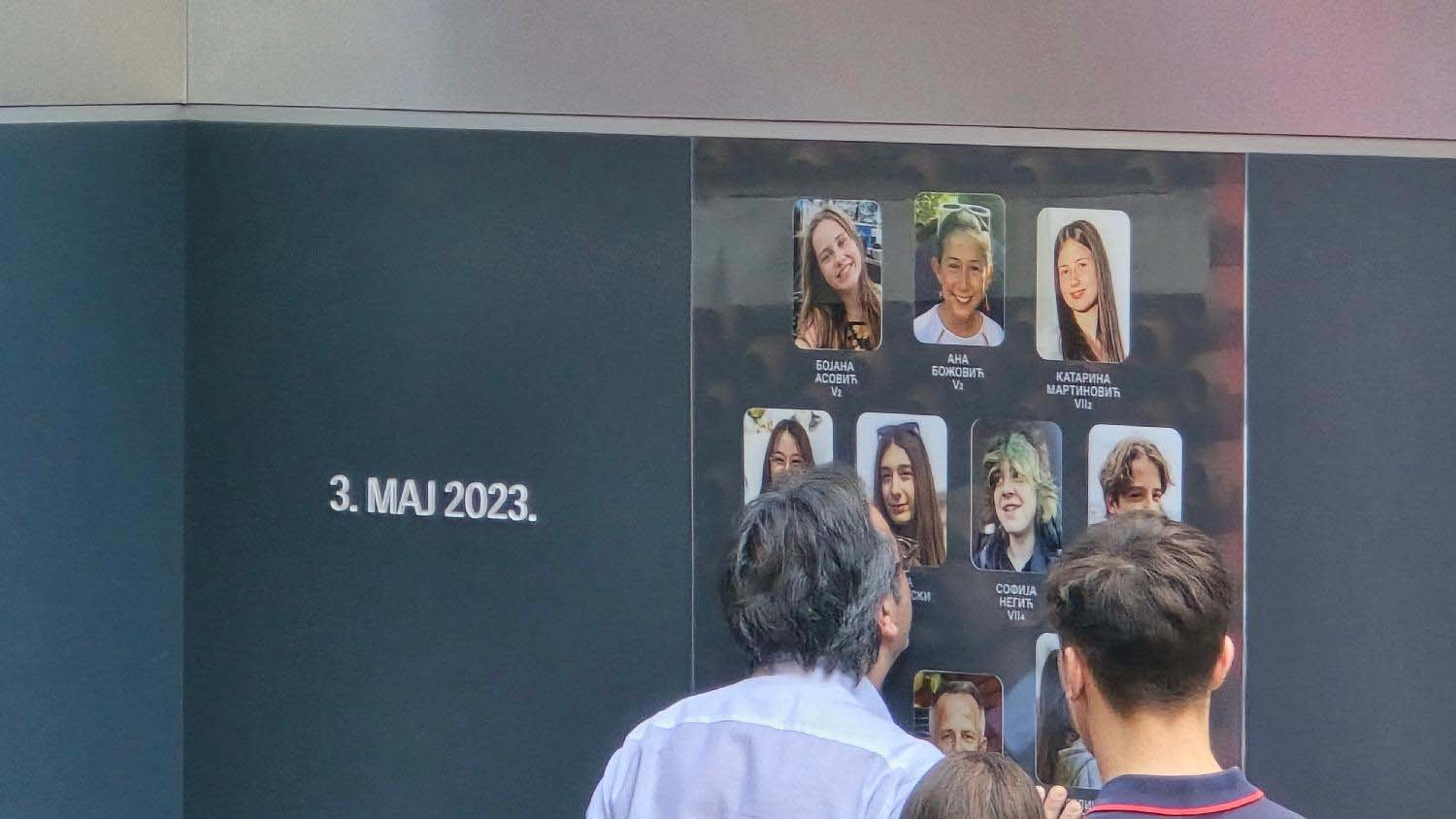
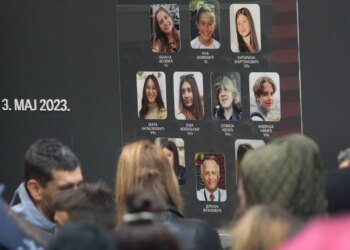
    Immediately after the massacre at the “Vladislav Ribnikar” Elementary School on May 3, 2023, it seemed that it was an event that would permanently change Serbian society. Despite this, there has been surprisingly little research into citizens’ views on the event. Mostly, there were several researches regarding changes in criminal legislation (in the end, the threshold for criminal responsibility was not lowered), and as time passed, this topic faded more and more and became a commemorative event with no significance for public opinion research.

    READ ALSO

    Council of Europe Commissioner for Human Rights: Media freedom is weakening across the European continent

    Džamonja Ignjatović: After the tragedy, the state reacted with visible and ad hoc measures, but a strategy is needed – Society

    We were interested in whether the perception of this event changes in relation to the initial strong impression that this event produced. At the Institute of Social Sciences, we conducted an online survey on citizens’ attitudes about education in Serbia in the period December 2024-April 2025, including attitudes about Ribnikar. 2039 respondents answered the questions about Ribnikar. In our sample, there were slightly more women, respondents with higher education and politically opposition-oriented citizens.

    Pond farmer and company

    When asked “What are the main reasons that led to this event”, the respondents cited the availability of weapons (74%), the disordered personality of the perpetrator (67%), the insufficient care of parents about the mental health of children (67%), the high level of violence in society (61%), media content in which violence is promoted or tolerated (60%), insufficiently harsh punishments for juvenile offenders (47%), the publicity of similar events in the world (39%), the adoption of Western values (27%), the loss of authority of teachers (25%) and competitive culture in schools (23%) as factors that had a ‘great influence’.

    Gender differences are most pronounced when it comes to the competitive culture in schools (60% of women believe that the competitive culture has had an impact versus 42% of men). This is followed by harsh sentences for juvenile offenders (75% of women vs. 67% of men) and the availability of guns (95% vs. 88%).

    To the question “How much would the following activities contribute to preventing events like the one at Vladislav Ribnikar Elementary School in the future?” respondents state the abolition of reality television programs (86%), devoting several weeks of each school year to discussions about tolerance and empathy (75%), introducing new professional services in schools, primarily special pedagogues and clinical psychologists (71%), easier removal of problematic students from educational institutions (65%), changing the emphasis of school programs from material to social skills (60%), changing the government in Serbia (59%), marking the events from Ribnikar every year with an appropriate ceremony as a day of remembrance (57%), lowering the limit of criminal responsibility to the age of 10 (56%), introducing metal detection sensors in schools (55%), regular exercises simulating dangerous situations in schools (50%), building a memorial center so that the event from Ribnikar is never forgotten (50%) and canceling school competitions (6%). Differences between the sexes are most pronounced in support of shifting the emphasis of school programs from material to social skills (65% women vs. 43% men), lowering the limit of criminal responsibility to 10 years (60% vs. 46%), introducing clinical psychologists in schools (74% vs. 62%) and metal detector sensors (58% vs. 47%).

    Some dominant media narratives have been shown to have a long-term effect on public opinion. For example, the idea of ​​the role of reality shows in the increase of violence in society, including the extreme event in Ribnikar, has persisted. However, almost consensual support for lowering the threshold for criminal responsibility immediately after the event has moderate support in our research. Citizens are divided about this solution, which means that the situational effects of Ribnikar have faded.

    Asked how responsible are the following actors for the event at “Vladislav Ribnikar” Primary School? our respondents consider the perpetrator of the crime “very responsible” (83%), the father of the perpetrator of the crime (73%), the mother of the perpetrator of the crime (66%), the owner and employees of the shooting club (37%) and the management, professional service and teachers of the school (13.2%). Contrary to the logic of the criminal legislation, most respondents believe that the boy is responsible for the crime. Although there was a lot of name-calling of the school immediately after the event, respondents do not attribute much responsibility to the school – only 13% believe that the school’s management, professional services and teachers are responsible.

    To the question “How do you see the event in Ribnikar today?” our respondents most often say that the event showed how deep we have sunk as a society (69%), that it showed that parents do not take enough care of their children (61%) and that it changed our perception of school as a safe place for children (61%). Half as many respondents think that it is an event that ordinary people cannot understand (36%) and that Ribnikar showed that children can be evil (31%), while about a quarter of respondents think that this event initiated long-term social changes in Serbia (27%). Few respondents believe the media spins that appeared after the tragedy about a mysterious or externally induced event (terrorism), as only about 10% answered “Who knows what really happened there.” It should be borne in mind that our sample is more opposition oriented.

    Pond farmer and politics

    Bearing in mind the high degree of political polarization in Serbia, we did not measure the political orientation of respondents with a direct question about party affiliation. Nevertheless, we can conclude about it indirectly based on the position on the question of whether a change of government in Serbia would contribute to the prevention of future events like the one in Ribnikar. If we treat answers 4 and 5 as opposition-oriented respondents (n=1,222), answers 1 and 2 as supporters of the government (n=331), we get some interesting results.

    Opposition-oriented respondents believe that the high level of violence in society (96% vs. 73%) and media content that promotes or tolerates violence (93% vs. 79%) led to the tragedy, and somewhat more often the insufficient care of parents about children’s mental health (97% vs. 89%) and the availability of weapons (95% vs. 89%). On the other hand, respondents more favorable to the government choose “taking over Western values” as a reason much more often (67% vs. 42%). Attitudes about the perpetrator’s disturbed personality (95% vs. 93%), insufficiently harsh punishments (74% vs. 72%) and the publicity of similar events in the world (75% vs. 76%) were almost identical in the two groups.

    Opposition-oriented respondents are much more likely to mention the abolition of reality TV programs (94% vs. 63%), the introduction of clinical psychologists in schools (77% vs. 55%), the construction of a memorial center (58% vs. 35%), an annual ceremony of remembrance (64% vs. 46%), and the shift of focus of school programs from material to social skills (66% vs. 46%). The views on easier removal of problematic students (67% vs. 62%), talks about tolerance (77% vs. 73%), simulations of dangerous situations (51% vs. 48%) and lowering the threshold of criminal responsibility (57% vs. 56%) were almost identical.

    Opposition-oriented respondents more often consider the owner and employees of the shooting club (42% versus 30%), the perpetrator’s mother (71% versus 60%) and the perpetrator’s father (77% versus 67%), as well as the management, professional service and school teachers (15% versus 11%) as “very responsible”. The attitude about the responsibility of the perpetrator himself was almost identical (84% vs. 83%). Opposition-oriented respondents are far more likely to believe that Ribnikar showed how deep we have sunk as a society (81% vs. 37%), that he changed the perception of school as a safe place for children (67% vs. 43%) and that he initiated long-term social changes in Serbia (33% vs. 15%). On the other hand, respondents more sympathetic to the government much more often chose the wording “terrible, but similar events also happen in the modern world” (48.0% vs. 17%) and somewhat more often the interpretation “that event showed that children can be evil” (38% vs. 29%). The attitude about parental responsibility was almost identical (62% vs. 61%).

    Thus, the attitude towards Ribnikar is also a test of the political position: for some, it is proof of the collapse of social values, and for others, proof that Serbia is part of the world where mass murders in schools occur, both in democratic and authoritarian societies.

    The authors are sociologists

    The views of the authors in the Dialog column do not necessarily reflect the editorial policy of Danas.

    Follow us on our Facebook and Instagram page, but also on X account. Subscribe to PDF edition of Danas newspaper.


    Source link

    Related Posts

    Council of Europe Commissioner for Human Rights: Media freedom is weakening across the European continent
    Serbia

    Council of Europe Commissioner for Human Rights: Media freedom is weakening across the European continent

    May 4, 2026
    Džamonja Ignjatović: After the tragedy, the state reacted with visible and ad hoc measures, but a strategy is needed – Society
    Serbia

    Džamonja Ignjatović: After the tragedy, the state reacted with visible and ad hoc measures, but a strategy is needed – Society

    May 4, 2026
    Slavoj Žižek: How Netanyahu’s candidate for head of the Mossad found an intellectual basis for his actions in my works – World
    Serbia

    Slavoj Žižek: How Netanyahu’s candidate for head of the Mossad found an intellectual basis for his actions in my works – World

    May 3, 2026
    Greece will suspend the EES system at the borders during the summer, claims the consul in Thessaloniki
    Serbia

    Greece will suspend the EES system at the borders during the summer, claims the consul in Thessaloniki

    May 3, 2026
    On the reputation after the tabloid scandal – Alexey Kisjuhas
    Serbia

    On the reputation after the tabloid scandal – Alexey Kisjuhas

    May 3, 2026
    Three years since the mass murders in Ribnikar, Dubona and Orašje: Healing of society and victims’ families incomplete and marginalized – Society
    Serbia

    Three years since the mass murders in Ribnikar, Dubona and Orašje: Healing of society and victims’ families incomplete and marginalized – Society

    May 3, 2026
    Next Post
    Cristina Neagu saw the spectacular qualification of the CSM from the stands: “It’s less important if I get to Budapest”

    Cristina Neagu saw the spectacular qualification of the CSM from the stands: "It's less important if I get to Budapest"

    POPULAR NEWS

    Justin Bieber fans flood Coachella festival for headlining show – Entertainment

    Justin Bieber fans flood Coachella festival for headlining show – Entertainment

    April 20, 2026

    Over 600 flee homes as Army, NPA clash in Negros Occidental

    April 21, 2026

    Ex-DPWH exec recalls P800-M ‘delivery’ to Zaldy Co 

    April 20, 2026

    Former PM Paluckas suspends party membership, to waive immunity over criminal probe

    April 24, 2026
    Pres. Ali challenges CARICOM to transform into health research powerhouse

    Pres. Ali challenges CARICOM to transform into health research powerhouse

    April 23, 2026

    EDITOR'S PICK

    New KHMH CEO Takes on Staffing Uncertainty

    New KHMH CEO Takes on Staffing Uncertainty

    April 20, 2026

    German rescuers plan to use air cushions and tugboat to save Timmy the stranded whale

    April 16, 2026
    Trump threatens Strait of Hormuz blockade after US-Iran ceasefire talks end without agreement

    Trump threatens Strait of Hormuz blockade after US-Iran ceasefire talks end without agreement

    April 12, 2026
    Tetteh: Reconciliation in Libya must be rooted in justice and led nationally

    Tetteh: Reconciliation in Libya must be rooted in justice and led nationally

    April 30, 2026

    Recent Posts

    • Woman demands a man’s cell phone password after suffering a serious accident in Cartagena: ‘I don’t care!’ | DNA Diary
    • Police project up to 80 daily raids during the curfew in Guayaquil | Security | News
    • The Prosecutor’s Office created a chronological farce to criminalize the ABC Group – Politics
    • Road diversion around barracks due to installation of commander – De Ware Tijd

      © 2026 Agentially - Navigating shifting sovereignties and global risk .

      Welcome Back!

      Login to your account below

      Forgotten Password?

      Retrieve your password

      Please enter your username or email address to reset your password.

      Log In
      No Result
      View All Result

        © 2026 Agentially - Navigating shifting sovereignties and global risk .

        This website uses cookies. By continuing to use this website you are giving consent to cookies being used. Visit our Privacy and Cookie Policy.