The government on Wednesday launched a major initiative to place national and regional scientific research at the centre of policymaking, aiming to dismantle academic silos and better connect scientific work with public policy and community action.
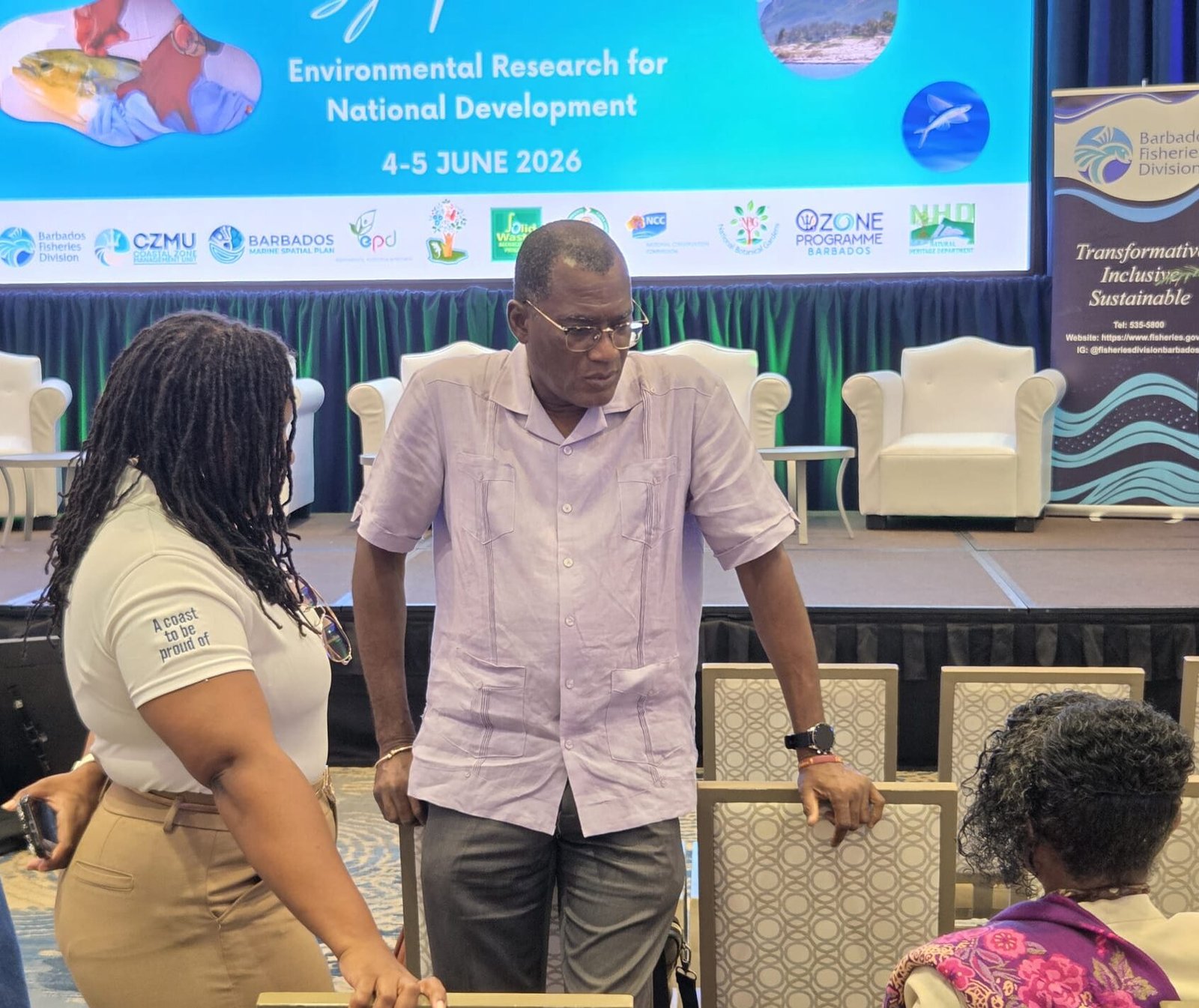
The effort was formally introduced at the opening of the second annual Research Frontier Symposium, a two-day event hosted by the Fisheries Division and the Coastal Zone Management Unit (CZMU). The symposium forms part of the island’s Environment Month activities and serves as a collaborative platform for showcasing advances in the sustainable blue and green economies.
The symposium brings together agencies under the Ministry of Environment and National Beautification, Green Economy and Resilience, including the CZMU, National Conservation Commission, Marine Spatial Plan unit and the Barbados Fisheries Division, alongside academic and international partners.
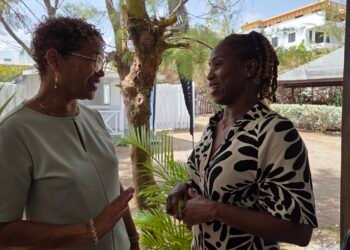
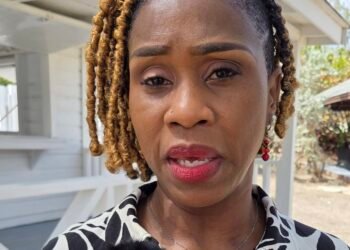
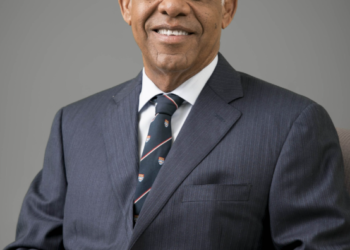
Dr Leo Brewster, director of the CZMU, said the strong turnout from both local stakeholders and international virtual participants reflected growing momentum in scientific research across Barbados.
“From the response we received this year, it is clear that there isn’t only a lot of activity and innovation taking on a new life within the Ministry of Environment, but more importantly, because of the association that we have with our associate entities outside, such as the University of the West Indies, it is clear that research is something that is growing more and more important for Barbados.”
He added that making the symposium an annual fixture would help reshape public understanding of the role of government agencies.
“I feel that this is a trend that we have to make an annual event,” Dr Brewster said. “It is important for us to demonstrate that there is research taking place within our own departments, and it isn’t just policy preparation and dealing with internal or cross-ministerial matters.”
Chief Fisheries Officer Dr Shelly Cox said the symposium was designed to make scientific careers more appealing to younger audiences while breaking down traditional academic barriers.
“Sometimes research seems like the old professors,” Dr Cox said. “Over the next two days, we are going to be seeing some positive young researchers doing amazing things. This is the platform that we wanted to curate in terms of trying to make research seem attractive. We want to break down academic silos as well and translate scientific data into national policy.”
Dr Cox also highlighted the global competitiveness of regional research, noting that Barbadian scientists are regularly published in leading international journals.
Discussions at the symposium reflected the scale of Barbados’ marine jurisdiction, with its exclusive economic zone more than 400 times larger than its landmass. Presentations include marine spatial planning, deepwater mapping, pelagic species migration and sustainable catch limits, particularly for dolphin fish, alongside green economy topics such as terrestrial biodiversity at Long Pond, waste characterisation, circular economy strategies and the use of artificial intelligence in environmental research.
The event concludes on World Environment Day and the International Day for the Fight Against Illegal, Unreported and Unregulated Fishing, with organisers aiming to raise awareness of unsustainable fishing practices and promote regional responses.
Delegates include representatives from the United Nations Development Programme, the Food and Agriculture Organisation, private sector leaders and local fisheries groups. Organisers say they hope the gathering will strengthen partnerships and mobilise resources to support future research initiatives.
(RR)