A fourfold increase in the number of icebergs increases the need for better monitoring and warning, according to DTU researchers.
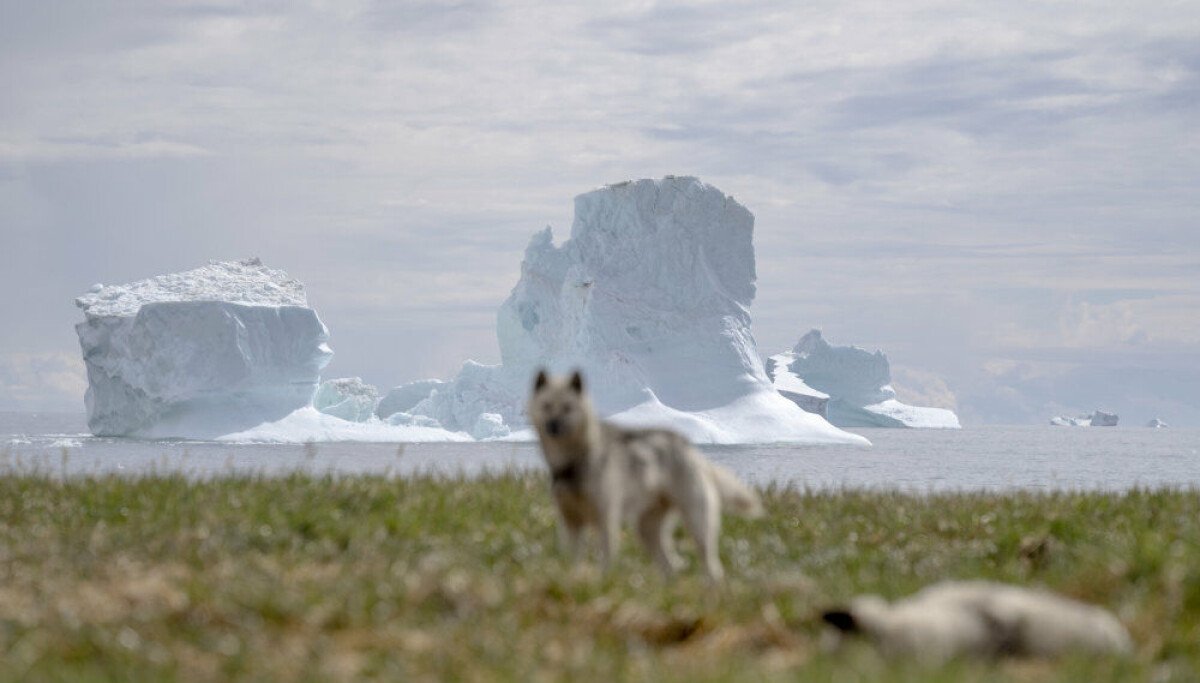
The number of icebergs in the sea around Greenland has quadrupled since 2000.
This is evident from a new study, which researchers from DTU Space together with German and American colleagues are behind.
It is rising temperatures that send large chunks of ice into the sea.
According to the researchers, this increases the risk that cruise ships and cargo ships will encounter an iceberg more often on their routes.
– When Greenland’s ice melts, the sea level rises. But we can also see that the changes affect the entire Arctic system, says Professor Shfaqat Abbas Khan in a press release from DTU Space.
The researchers have compared 40 years of observations of icebergs in the Framstrædet between Greenland and Svalbard with satellite data, sea ice models and studies of the seabed.
According to the researchers, the increasing number of icebergs is due to the fact that several large glaciers in Northeast Greenland have become unstable and are calving more ice.
The result is that an increasing number of icebergs are drifting out to sea.
At the same time, the amount of sea ice has shrunk and become more mobile.
This means that the icebergs can more easily drift through the Arctic over long distances.
The study indicates that the increasing number of icebergs can create challenges for ship traffic in the area.
This leads the researchers to emphasize the need for better monitoring and warning of ice conditions for the benefit of shipping and fishing.
The researchers have also looked at the importance of icebergs for the ecosystem in the sea.
The icebergs transport large quantities of rocks and sediments from land and hundreds of kilometers into the sea.
Here, stones and deposits sink to the bottom and give fungi, sea anemones and other organisms, among other things, the opportunity to establish themselves.
Climate change in the Arctic thus has far-reaching consequences, according to the researchers.
– The new study shows that the consequences do not stop at rising water levels, but directly affect deep-sea ecosystems far from the glaciers, says Shfaqat Abbas Khan.
The study is published in the scientific journal Nature.
/ritzau/