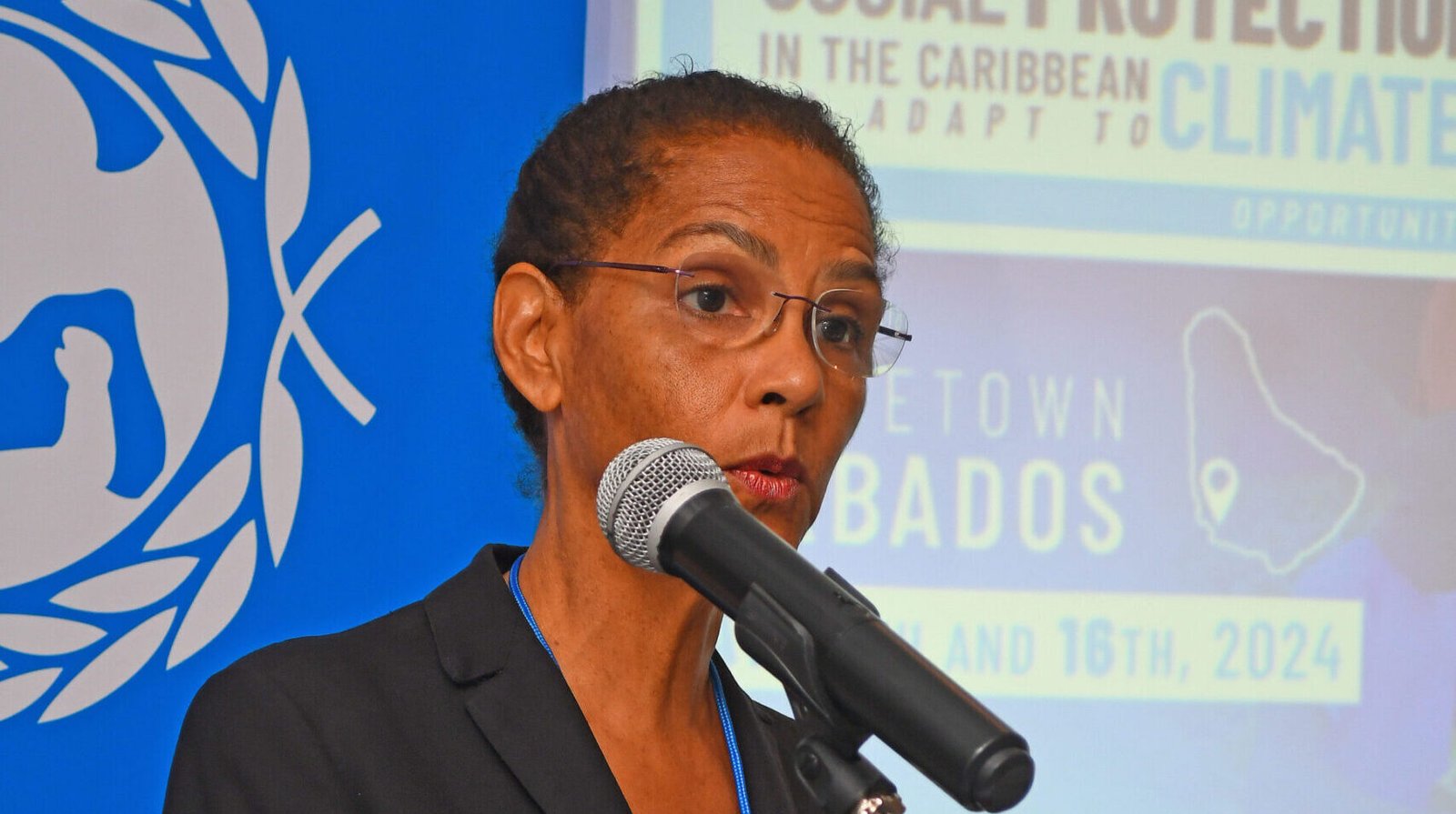

FAO Sub-Regional Coordinator for the Caribbean, Dr. Renata Clarke, has underscored the importance of regional collaboration in strengthening the Caribbean’s fisheries sector against the growing effects of climate change.
Clarke was speaking as the Climate Change Resilience in the Caribbean Fisheries Sector Project (CC4FISH-II) was launched during an inception meeting in Dominica on September 15, 2026.
Clarke described the US$12.55 million Global Environment Facility (GEF)-funded initiative as an investment in the future of the Caribbean, emphasizing the need for countries to work collectively to address challenges that extend beyond national borders.
“CC4FISH-II represents an investment in the future of the Caribbean. It demonstrates the power of regional collaboration in addressing shared challenges facing the Caribbean’s fisheries sector,” she stated.
The FAO official said the project provides an opportunity to strengthen the sector’s ability to withstand climate-related pressures while safeguarding marine resources and supporting the communities that depend on them.
“Together, we can strengthen resilience, protect marine resources, and create lasting benefits for communities throughout the region,” Clarke added.
Her remarks come as Caribbean fisheries continue to experience pressures associated with declining fish resources, marine biodiversity loss, and degradation of important coastal and marine habitats, with implications for food security, livelihoods, and economic development.
CC4FISH-II is being implemented by the Caribbean Community Climate Change Centre (CCCCC) in partnership with the Food and Agriculture Organization of the United Nations (FAO) and regional and national partners.
The programme builds on the original CC4FISH project, which operated between 2017 and 2022 across seven Eastern Caribbean countries, and will support climate-resilience interventions through 2030.
Dominica, Grenada, Saint Kitts and Nevis, Saint Vincent and the Grenadines, and Trinidad and Tobago are expected to benefit, with the project targeting small-scale fisherfolk, boat owners, processors, vendors, traders, and coastal communities, while placing particular emphasis on opportunities, leadership, and livelihood resilience for women and youth.