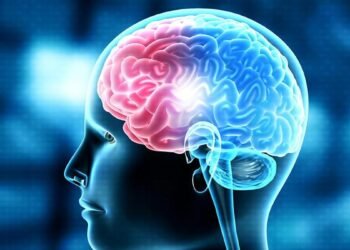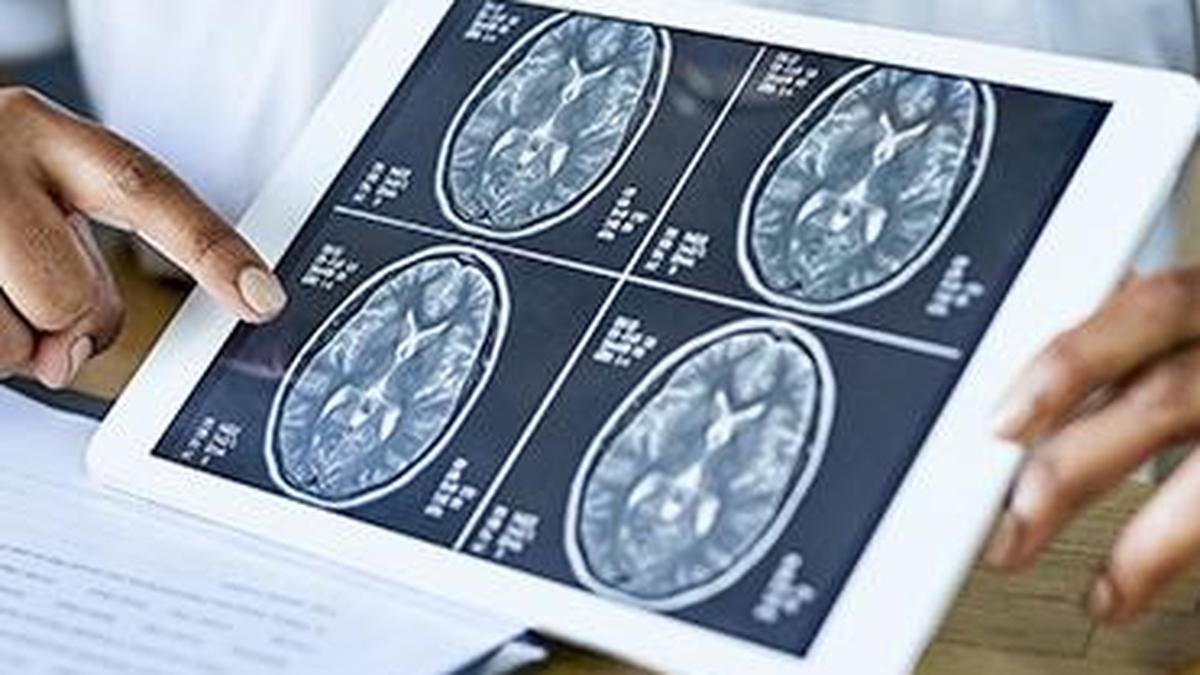

The effects of a stroke vary, depending on the site and degree of damage within the brain. Image used for representational purposes only
| Photo Credit: Getty Images
A stroke is an urgent situation where either the flow of blood to the brain is cut off, or there is a rupture of the blood vessels in the brain. Oxygen and glucose are the two elements essential for brain activity. Interruption of their supply results in impairment of brain activity and eventual damage of brain tissues — and this damage occurs in minutes. The first few hours of a stroke, therefore, determine how damaged the brain can become.
Strokes can be categorised into ischemic strokes and haemorrhagic strokes. In ischemic strokes, the stroke occurs due to the blocking of an artery by a blood clot. In haemorrhagic strokes, there is a rupture of the blood vessel, which leads to blood in the brain tissue. Regardless of the type of stroke, the result is damage to the brain tissue, which can result in vital body functions including speaking, movement, vision, memory and coordination becoming impaired.
Published – October 24, 2026 12:35 pm IST