Wednesday, June 24, 2026, 07:24
2187 readings

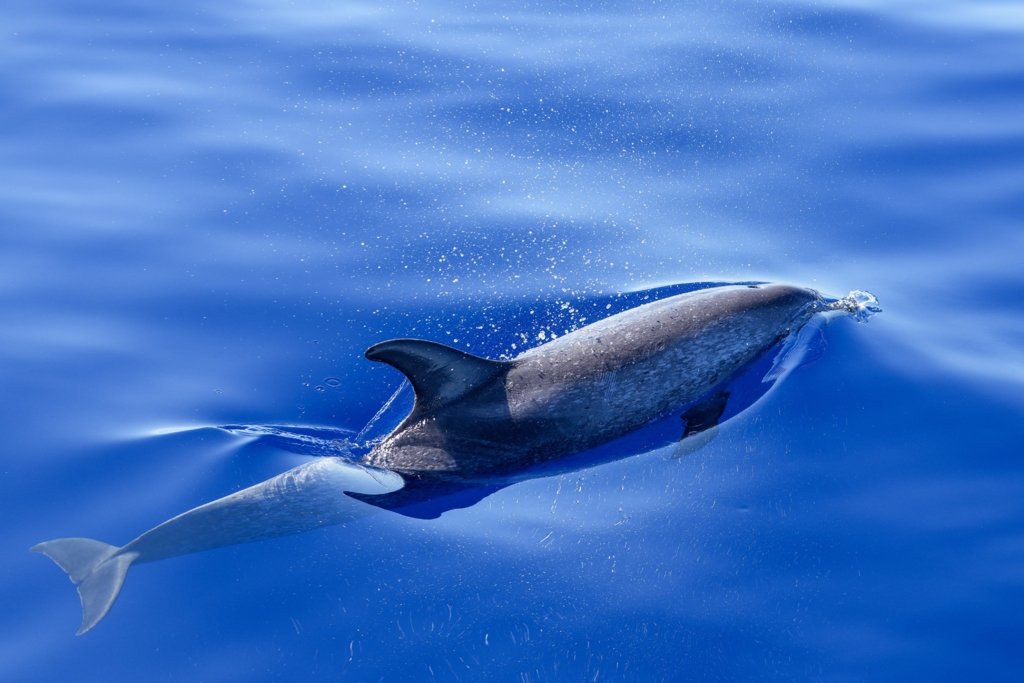
82 defini were found dead on the Romanian coast PHOTO Pixabay
The number of dolphins found dead on the Romanian coast has increased alarmingly this year, and specialists are looking for explanations for the phenomenon. From fishing nets and intense naval traffic to possible diseases or the effects of explosions produced in the Constanța Port area, several hypotheses are being analyzed after 82 cetaceans were discovered dead since the beginning of the year.
A baby dolphin that reached the shore was saved at the last moment by a tourist, who helped it to return to the sea. It was a happy ending, which dozens of other copies did not have this year, it shows Digi24.ro.
According to the cited source, at the end of last week, 5 dolphins were found breathless on the Romanian coast.
“It is most likely about the resumption of intensive fishing effort. We suspect that it could also be about a potential pathogen, which is contagious. An epizootic, the equivalent of the epidemic in the animal world,” says marine biologist Răzvan Popescu Mirceni.
“Because of the fishermen’s nets, the poachers who install their gillnet system in the open sea, to catch turbot and other fish species. The dolphin population has increased a lot in the Black Sea”, is the opinion of the captain of a ship.
“There is the possibility of collisions with numerous, increasingly numerous, increasingly frequent boats in the Port of Constanța and from here we have to take some measures, find some solutions, some sonoacoustic repellants, to be mounted on these boats and to repel the cetaceans”, explains Adrian Bâlbă, doctor of sciences.
Some biologists believe that it could also be an effect of the maritime drone explosion in the Contanța port area. “After the explosion that took place in Constanța Port, we recorded, we can say, an interesting behavior of a group of porpoises that were feeding a day or two after the explosion took place with the fish, most likely dead,” says marine biologist Răzvan Popescu Mirceni.
Since January, 82 dolphins have been found dead on beaches, almost twice as many as in all of 2024.