For many internationals moving to Denmark, opening a local bank account becomes one of the first administrative hurdles. But is it actually required?
The short answer is not right away, but in most cases, yes.
Moving to Denmark means getting used to a lot of new systems such as CPR numbers, health card, MitID, new resident card, and a whole welfare state that seems to run entirely on digital platforms. Somewhere in the middle of all that sits another key ingredient of everyday life – a Danish bank account. It is not mandatory from day one. But if you plan to stay for more than a short stint, it very quickly becomes less a ‘nice‑to‑have’ and more a basic survival tool.
Danish account vs NemKonto
Once you are registered as living in Denmark, you need to have a NemKonto. It is an account designated in the national system for payments from public authorities.
In theory, that NemKonto can be an account anywhere in the EU that meets certain technical conditions. In practice, most people use a Danish account for the simple reason that it works smoothly with the rest of the system. You register it with NemKonto using your MitID, and things like child benefit and other payments from the state land directly in that account.
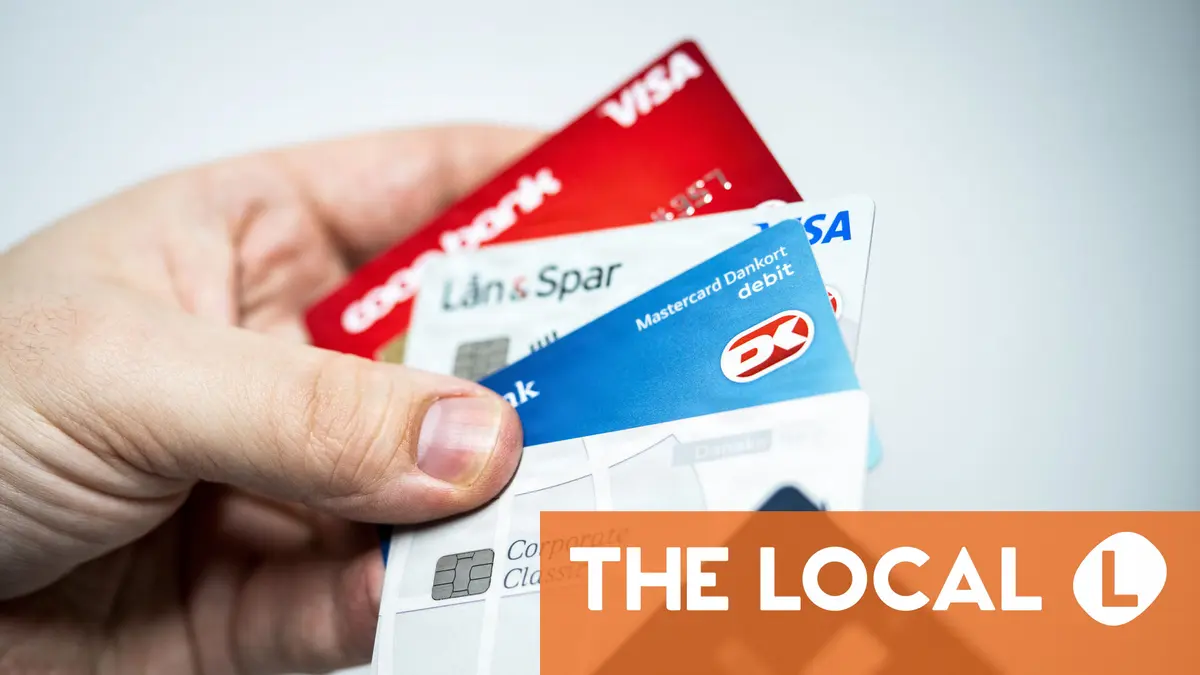
READ ALSO: What is Denmark’s ‘Dankort’ payment card and how is it different from other card types?
On top of this, EU rules say that if you are legally resident in Denmark, you have the right to a basic payment account at a bank in your country of residency. A bank can still say no on anti-money laundering grounds, but not just because you are foreign. So once you have your CPR number and paperwork in order, you are generally entitled to at least a regular account.
Even if you are not here for the generous social benefits, at some point you will have money coming back from the state in the form of a tax refund, holiday pay, or student grant. All of this is paid into your NemKonto.
Why employers expect a Danish account
For most people, especially the non-EU citizens, the real pressure point is salary. Danish employers are used to paying into Danish accounts, and cross‑border payments to foreign accounts are not standard practice here. While it is sometimes possible to negotiate payment into an EU account with an IBAN, this also means slower transfers, extra bank charges and more admin for both sides. If you arrive and start work before your account is ready, it is not unusual for your first payslip to be delayed.
That can also become stressful when you are trying to pay a deposit and first month’s rent. Legally, Danish tenancy law (The Tenancy Act) does not force tenants to use a local bank account. In practice, landlords usually expect rent to be paid from a Danish account via bank transfer, a standing order or the Payment service direct debit system. But if you are renting privately, some landlords will accept international IBAN transfers from an EU account.
But new arrivals in Denmark regularly report that this solution comes with currency conversion costs, longer processing times and sometimes a payment can arrive late or without the right reference number. Once you have a Danish account, you simply set up an automatic payment and stop worrying about whether your rent is stuck somewhere between two banks.
Everyday life in a cashless society
Even if your employer and landlord are patient, your daily life will push you towards a Danish account. Denmark is one of Europe’s most cashless societies. Most people use a Danish bank account with online access or money transfer app MobilePay for small transfers and payments.
This infrastructure assumes your bank is Danish. MobilePay, which many cafés, small shops and second-hand sellers rely on, requires a Danish phone number and a local bank account. Without that, you can still tap your foreign card in supermarkets but you will constantly bump into situations where you might have used cash back home, like splitting rent or food bills, buying used furniture or paying at a flea market, where everyone else simply opens MobilePay and you cannot.
How do you actually get a Danish bank account?
The usual path looks like this: Register your address with the local municipality to obtain a CPR number. Use your CPR and ID to apply for MitID (either through a bank once you are a customer, or directly at a citizen service office). Open a Danish bank account using your passport, CPR documentation, proof of address and, if relevant, your work or study contract. Register that account as your NemKonto. To bridge the gap, many recommend using an international provider like Wise or Lunar or a similar fintech solution so you can at least receive money and pay with a card before your local setup is complete.
The documents needed for registering your CPR number are almost the same as those you will need to open a bank account. You will need your valid passport or national ID and your CPR number, often shown on the yellow health card or registration letter. You may need proof of your Danish address such as rental contract, employment contract or university enrollment if you are here to work or study. For non-EU citizens, you will also need to show a residence permit and sometimes tax documentation.
Banks often want at least two documents showing the same address, so they know where to send your card and PIN. If your planned stay is very short for example, less than three months, then they can be stricter or even decline.