Loading Text-to-Speech…
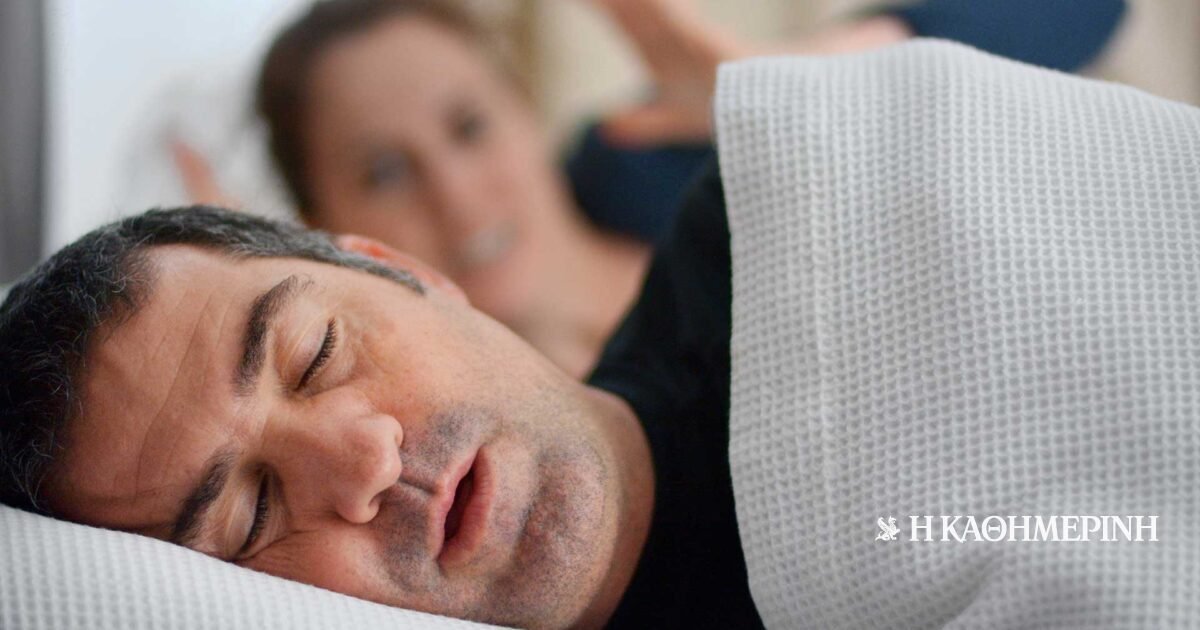
Snoring is more than just an annoying quirk that occurs at night. It is a problem that can affect your relationships, the quality of your sleep and your health. Fortunately, certain lifestyle changes and products can help you manage this common problem.
What causes snoring?
Snoring occurs when the flow of air through the mouth and nose is partially blocked during sleep. The blockage causes the surrounding tissues to vibrate (oscillate) and produce sound, i.e. snoring.
A variety of factors can cause upper airway narrowing and snoring, including relaxed throat muscles or a tongue that falls back into the throat (tongue drop). Some common factors that increase the likelihood of snoring include:
• excess weight, which adds extra tissue around the neck, compressing the airways
• nasal problems (such as scoliosis of the diaphragm)
• nasal polyps
• congestion from a cold or allergies
• anatomical features, such as a large or soft palate or cleft palate (the back and upper part of the mouth) or enlarged tonsils or adenoids
• weak muscle tone due to aging
• alcohol and certain medicines that allow the airway to close more easily
Sometimes, snoring indicates sleep apnea, a serious condition characterized by frequent pauses in breathing during sleep (see “When is snoring a sign of sleep apnea”).
Products that fight snoring
Anti-snoring products, such as positional aids or intraoral devices, can reduce snoring when used correctly. These devices usually work by helping to keep your airway open while you sleep. This reduces the vibrations that cause snoring.

Anti-snoring devices are often self-applied by the sufferer. If a device doesn’t relieve your snoring, your doctor can help you explore other treatment options and treat any underlying causes.
Position aids
Research shows that sleeping on your side (rather than your back) can significantly reduce both the intensity and duration of snoring in many people who do not have sleep apnea. For some, position aids, which encourage side sleeping, are a practical and low-cost method of reducing snoring.
Positioning aids can range from tennis balls sewn into the back of pajamas to specialized devices that induce the body to change position. Examples of positioning aids include special vests and pillows that may be helpful for people who snore and have difficulty maintaining the side sleeper position.
Sometimes, snoring indicates sleep apnea, a serious condition characterized by frequent pauses in breathing during sleep.
A literature review published in scientific journal Sleep & Breathing found that the effectiveness of position aids varies from product to product. For example, vests with inflatable chambers have been found to reduce the rate of snoring by more than half in people whose snoring is position dependent. Wedge pillows also significantly reduced snoring. On the other hand, wearable wake-up devices that alert the snorer if they are sleeping on their back do not lead to a significant improvement in snoring frequency.
The researchers found that some users did not use the devices long-term due to discomfort issues. Despite the mixed findings, position aids remain a low-risk option worth trying for snorers, especially those who notice improvement when sleeping on their side.
Intraoral devices
The way intraoral devices work is to keep the airway open during sleep. These appliances fit over the teeth like a brace, and reposition the jaw or hold the tongue forward to prevent airway obstruction.
Intraoral appliances or braces can improve the quality of sleep for both the wearer and their partner. When prescribed by a doctor and fitted to the mouth by a dentist, braces can be a comfortable and effective solution to chronic snoring. (You can get over-the-counter partially adjustable boil-and-bite braces that you shape yourself.)
Although intraoral devices can be effective, there are potential drawbacks. Some users experience transient side effects such as drooling or jaw discomfort. In addition, long-term use can lead to issues such as changes in the alignment of the teeth. However, many people adjust to these appliances with minimal discomfort, especially when they are properly fitted in the mouth and are regularly monitored by a dentist.
A device
A relatively new device, called eXciteOSAapproved by US Food and Drug Administration, FDAto reduce snoring and mild sleep apnea. The device is worn in the mouth and used during the day. It helps with snoring by strengthening the tongue muscles to prevent airway obstruction during sleep. It works by releasing mild electrical stimulation through a mouthpiece with electrodes placed above and below the tongue.

In a clinical study, users of the device completed 20-minute sessions for six weeks, followed by weekly maintenance sessions. The study showed an improvement in the severity of sleep apnea as well as the percentage of time with loud snoring. Side effects included excessive drooling, choking and tongue discomfort.
Lifestyle changes to reduce snoring
Limiting the frequency and intensity of snoring does not necessarily require the expense of purchasing a device. A few (free) lifestyle changes may help reduce snoring.
Avoid alcohol. Do not consume alcohol within three hours of going to bed to avoid excessive relaxation of the airway muscles during sleep.
Maintain a healthy weight. Losing weight can reduce the amount of tissue in the neck and throat, reducing airway obstruction.
Treat nasal problems. Do saline washes for nasal congestion, minimize allergens in your bedroom, and consider using a room humidifier or medication for swollen nasal tissues.
Stop smoking. Smoking irritates and inflames the upper airway, increasing the likelihood of snoring. Even exposure to secondhand smoke can contribute to the problem.
Adjust the sleeping position. Sleep on your side to prevent your tongue from blocking the airway. Try a body pillow or sew a tennis ball to the back of your pajamas to prevent you from sleeping on your back.
Lift your head up. Use extra pillows, a wedge pillow, or raise the headboard of your bed to improve airflow.
These strategies can help with simple snoring. But if symptoms such as difficulty breathing, awakenings during the night, or daytime sleepiness persist, see a doctor to be checked for sleep apnea.
When is snoring a sign of sleep apnea?
Snoring can, in some cases, be a warning sign of obstructive sleep apnea (OSA), a sleep disorder in which the sufferer’s breathing repeatedly stops for short periods during sleep. Other signs and symptoms of sleep apnea include excessive daytime sleepiness, difficulty concentrating, morning headaches, or waking up feeling unrefreshed from sleep.
It is important to see a doctor if you or your partner suspect you have sleep apnea. Sleep apnea, when left untreated, can lead to hypertension, putting pressure on the cardiovascular system, and other health problems.
In order to determine whether snoring is a sign of sleep apnea, your doctor will ask about your symptoms and perform a physical exam. It can check for physical factors, such as a narrowed airway, a large neck circumference, or elevated blood pressure, all of which may indicate a higher risk of CVD.
When doctors suspect sleep apnea, they usually recommend a sleep study to verify the diagnosis. Although sleep studies used to be performed exclusively in overnight sleep labs, home sleep studies are now widely available, and in many cases can provide sufficient data for diagnosis.