The Democracy in Action Coalition (DnV) has assessed that the campaign for the early parliamentary elections on June 7 took place in a competitive and largely calm environment, but with a pronounced lack of debate on concrete and financeable public policies.
In the conference held the day before the elections, the DnV presented the findings from the monitoring of the electoral process, including the campaign, the administration of the elections by the Central Election Commission, traditional media and the activities of political entities on social networks.
According to DnV, the election race was open and political subjects had the opportunity to develop their activities throughout the country. However, the organization has raised concerns about inequality in the competition, emphasizing that decisions and actions of public institutions before the start of the campaign have influenced the perception of equality between political competitors.
The report emphasizes that the campaign was mainly dominated by the promotion of political leaders and electoral messages, while individual candidates were less exposed to voters.
DnV has evaluated as positive the fact that no significant incidents were recorded during the campaign, while the main topics addressed were the economy, energy, salaries, pensions, social schemes, infrastructure and technology.
However, the organization underlines that most of the electoral promises are presented without sufficient clarifications about the financial cost, sources of financing and deadlines for implementation, causing the public debate to focus more on slogans than on measurable and applicable policies.
Another positive development, according to DnV, is the inclusion of a large number of young candidates in the race. Over half of the candidates are competing for a representative mandate for the first time, while their average age is around 42 years old.
As for gender representation, women make up about 34 percent of the candidates for deputies, exceeding the minimum legal threshold. However, the DnV has evidenced that their participation in television debates and the media space has been significantly lower compared to men.
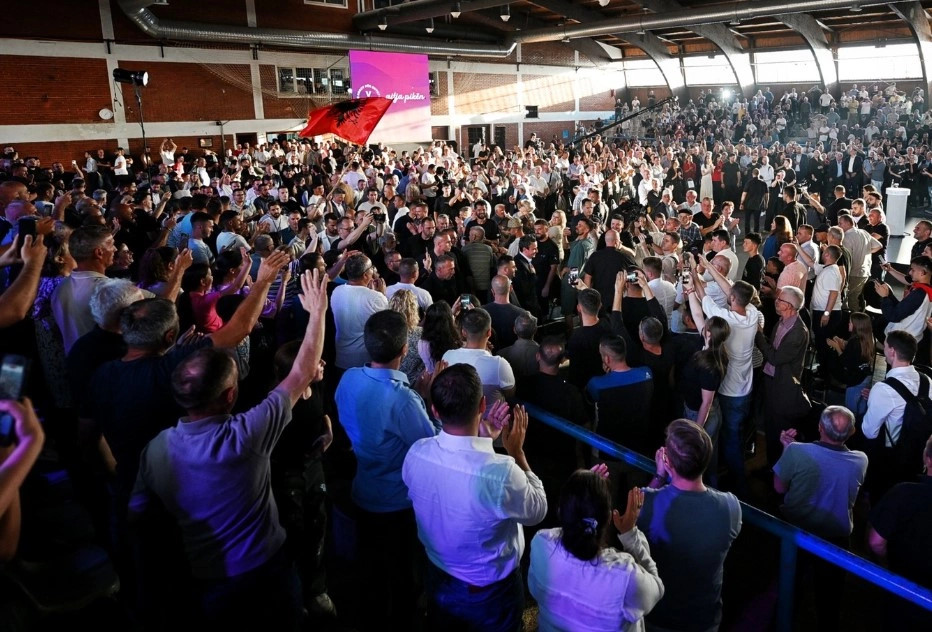
The organization also assesses that the 10-day campaign was mainly characterized by large electoral gatherings in the main centers of Kosovo, while door-to-door activities and direct discussions with citizens were less, limiting the in-depth dialogue between candidates and voters.