The Interim Commission to Study the Pricing Structure of Food Products, Medicines, and Fuel in Georgia’s disputed parliament concluded its three-month work on May 1.
The 14-member commission, established in February, followed calls from Georgian Dream Prime Minister Irakli Kobakhidze, who raised the issue of high consumer prices in late December, suggesting they could result from possible cartel-like coordination among businesses and warning of anti-monopoly measures.
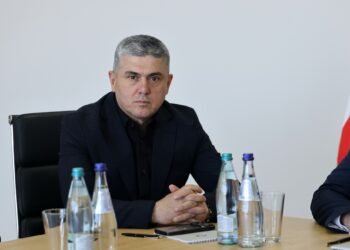
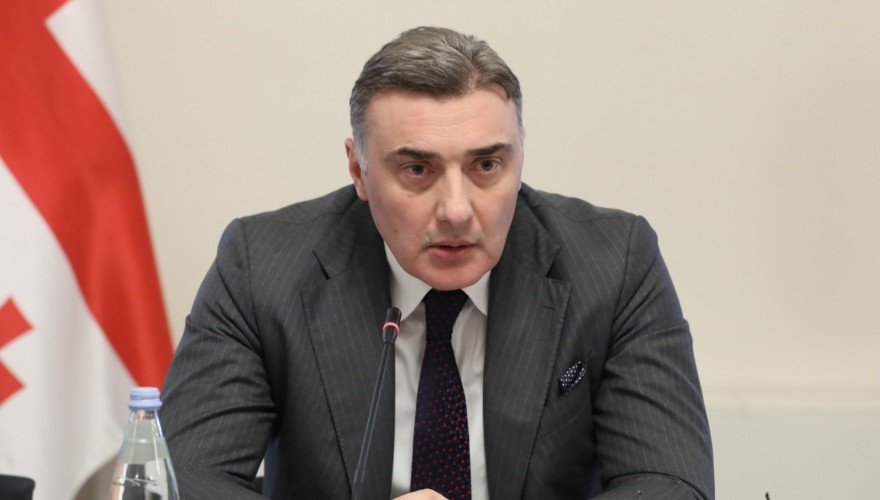
Millionaire businessman Shota Berekashvili, a Georgian Dream MP who chaired the commission, argued at the May 1 concluding session that the problem of high consumer prices lies in “inefficient operational costs” rather than in “excessive profits.”
“This means that additional costs accumulate in the price formation chain, which ultimately increases the cost of the product,” he said, adding, “There is significant room to properly restructure this system and improve operational efficiency, which would make the entire chain more efficient and, in the end, allow consumers to receive significantly better prices than those currently seen on the market.”
He went on to discuss the problems identified by the commission in the report, including issues related to commercial relations between suppliers and retail chains, commercial and marketing fees, and the volume of supply chains, among others.
Berekashvili also said that regulations and laws must be introduced to create “fair trading relations.” He noted that this is also reflected in the EU directive on unfair trading practices.
He called for “targeted” reforms instead of “aggressive interference,” saying, “The sector is very large, accounting for 21% of our economy, and any aggressive type of intervention creates systemic risks. Systemic risks, in turn, will affect the broader economy. The approach here must be very targeted and detailed.” According to him, such a process could be completed within six to nine months.
The commission approved the report. However, former Prime Minister Giorgi Gakharia’s opposition For Georgia party, as well as GD-spinoff People’s Power, did not endorse it.
Also Read: