The waiting lists in psychiatry have grown so large that the healthcare system has completely given up on keeping up.
At least that was the message, when Pia Rørby Frederiksen contacted them in Mayafter she had been referred for a psychiatric evaluation. She wanted to confirm that she had been put on the waiting list.
The answer she got was disappointing to say the least, she told AG afterwards. Because she shouldn’t count on actually getting through to psychiatry – instead, she should prepare herself for the psychiatrists to reject her referral.
Pia Rørby Frederiksen’s story is just one of several accounts from people we have spoken to about their experience of the long waiting lists and the lack of resources that characterize psychiatry in this country.
In this fifth episode of the series ‘While we wait’, we talk to the country’s two disability organizations about the pressure psychiatry is under and what it costs us as people and society.
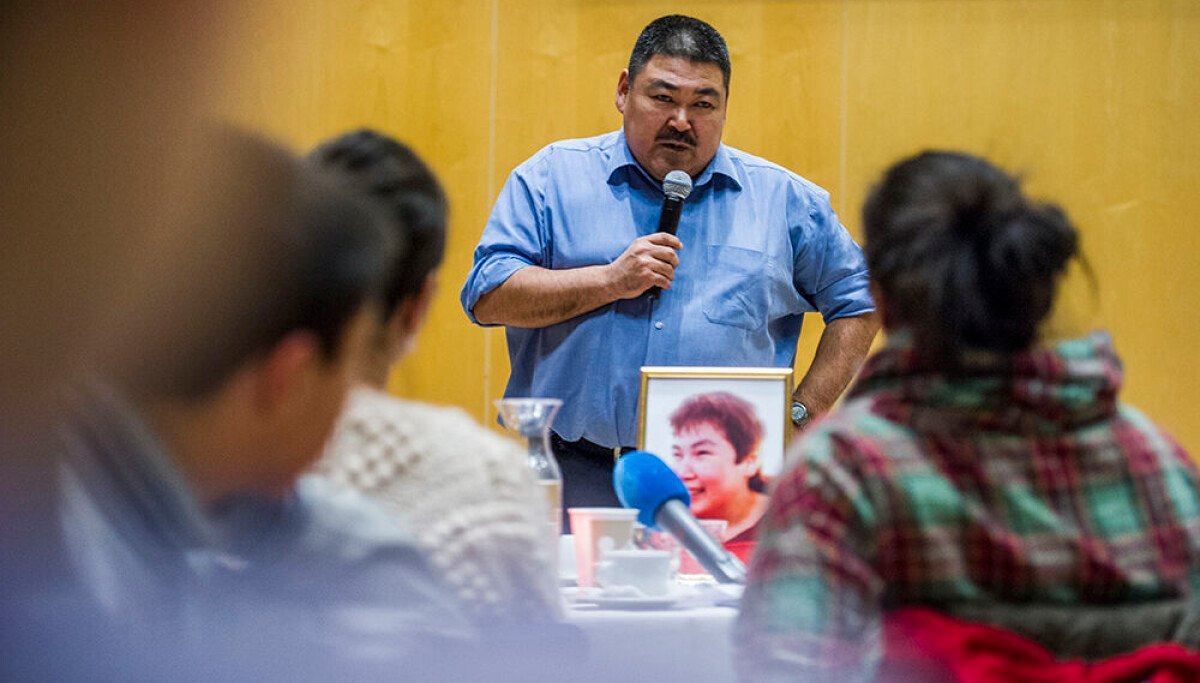
NIIK: People are not being helped properly
– We are in a situation in Greenland where the right treatment is not given to the mentally ill.
This is the statement from Viggo Johansen, chairman of NiiK, the umbrella organization for the country’s voluntary disability organisations, on top of the reports that have been published recently.
– And this results in some of these people going astray and committing crimes, committing violence against other people – and ultimately it costs human life, he says.
There is someone who has to take responsibility – and when the healthcare system, in the case of the waiting lists, says no, there is someone from above who has to take on this task
AG’s reporter meets Viggo Johansen in NiiK’s premises in Nuuk, where he sits together with Nina Møller from the Association for the mentally ill and their relatives, Sugisaq – one of the six disability organizations that belong to NiiK.
Nina Møller is often in contact with parents or relatives of people with mental disorders. Everything from schizophrenia to autism and ADHD.
– People often turn to them when they are powerless or need a like-minded person to talk to, she says.
According to NiiK, they receive an average of one inquiry per week from people struggling with diagnoses or mental disorders. Among other things from people who find it difficult to enter the system – for example if they need a psychiatric assessment.
– People with disabilities or mental functional difficulties are different. And the needs will therefore differ from person to person. That is why this investigation is so important, says Viggo Johansen and continues:

– The investigation must help determine how the person in question is to be treated and what kind of support the person in question needs. The fact that they cannot get it is a huge challenge.
However, a diagnosis is not the key to everything, emphasizes the NiiK chairman. Without the right help and guidance on how to handle your diagnosis, you will not get far, believes the NiiK chairman. But there are no resources for that either.
– As it is today, people are not being helped correctly. Not even when they have received a diagnosis, says Viggo Johansen.
Tilioq: The investigation is the key to help
A little further north sits the country’s disability spokesperson Qivioq Løvstrøm, with his colleagues in the disability advocacy organization Tilioq. She has done this since 2025 – and from her chair it is quite clear that psychiatry is under pressure.
Tilioq receives daily inquiries from citizens who do not get the right help to deal with their or their loved ones’ mental health diagnosis or disability. The majority of inquiries about mental disabilities concern ADHD, autism or schizophrenia. In particular, they receive inquiries about ADHD from – and not just from Nuuk.
In connection with The Ilimmarsaaneq project this spring, which aims to ensure better case management for people with disabilitiesand when Tilioq traveled around the coast, the organization received more inquiries about ADHD and autism than they had expected.
– This concerns all cities in Avannaata Kommunia and Qeqertalik, says Qivioq Løvstrøm and adds:
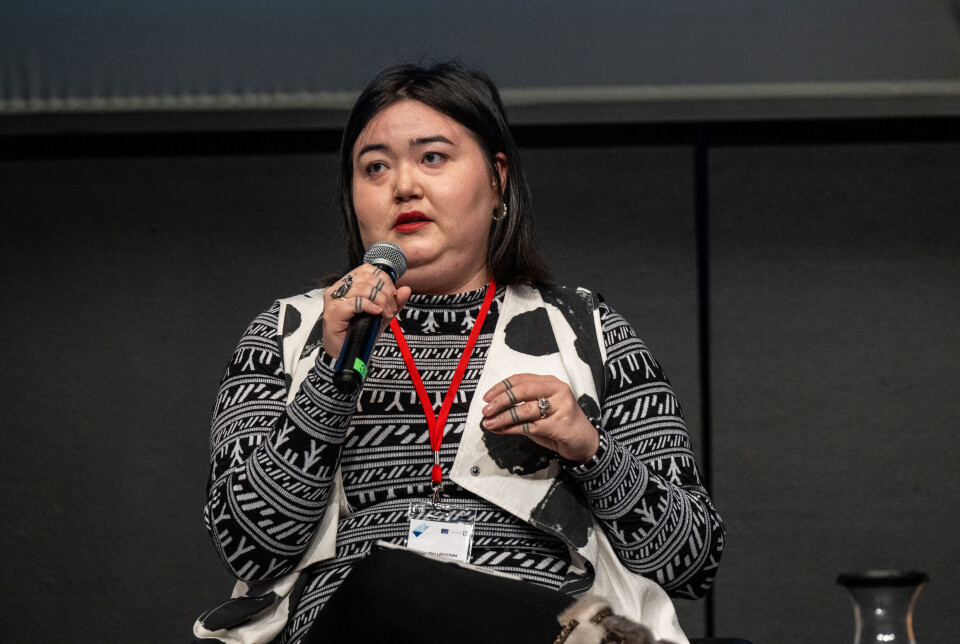
– There is a great need for investigation in both municipalities.
In line with NiiK, the disability spokesperson agrees that the investigation is absolutely essential if you as a citizen are to have help dealing with or living with a mental disability.
– It is incredibly important. Because if you don’t have an investigation, you can’t get support from the municipality, you can’t get help to adapt your home to your needs, and help with education is also quite impossible without a document on your disability, she says.
That citizens like Pia Rørby Frederiksen are told that they can expect to be rejected, even after they have been referred to psychiatry, is therefore deeply problematic, she believes.
– It may well be that we save time and money, but then the health service and the decision-makers must decide what is most important to them. The means or persons. From Tilioq’s side, we can only say that, of course, it must always be the people first.
But can it not also be said, conversely, that when there are not the number of psychiatrists that are needed, then one will have to prioritize acute patients over the people who might well be able to wait a little longer for help?
– There is nothing wrong with having priorities, but it should not mean that you choose not to help at all, answers Qivioq Løvstrøm.
It screams for a revolution
Both Tilioq and NiiK demand a robust system that can catch the country’s mentally vulnerable people and help them move on in life. In fact, NiiK is calling for a decidedly systemic revolution.
– The whole thing must be redone and done in a completely different way. Some comprehensive reforms must actually be made – because it is the whole of society that must be able to handle those of us with different functional variations. And this does not only apply to the mentally ill, says Viggo Johansen.
Stronger psychiatry is, however, something that disability organizations have been clamoring for for years. Here it is also important to look beyond the healthcare system, they point out, because as things stand now, there are no resources anywhere to deal with and help the mentally ill.
Among other things, Viggo Johansen points out that it is also critical that people with mental disorders and disabilities are sent to Denmark for placement in institutions if they are convicted of crime.
– There is someone who has to take responsibility – and when the health service, in the case of the waiting lists, says no, there is someone from above who has to take on this task, says Viggo Johansen and continues:
– But we also do not believe that this is a problem that will be solved overnight. This is a massive undertaking – and I believe we are only just getting started.