The UAE’s exit from the oil-producing cartel was a powerful symbol of the tectonic shift in the Middle East. The Emiratis, unable to come to terms with Saudi Arabia, are increasingly trying to chart their own independent path.
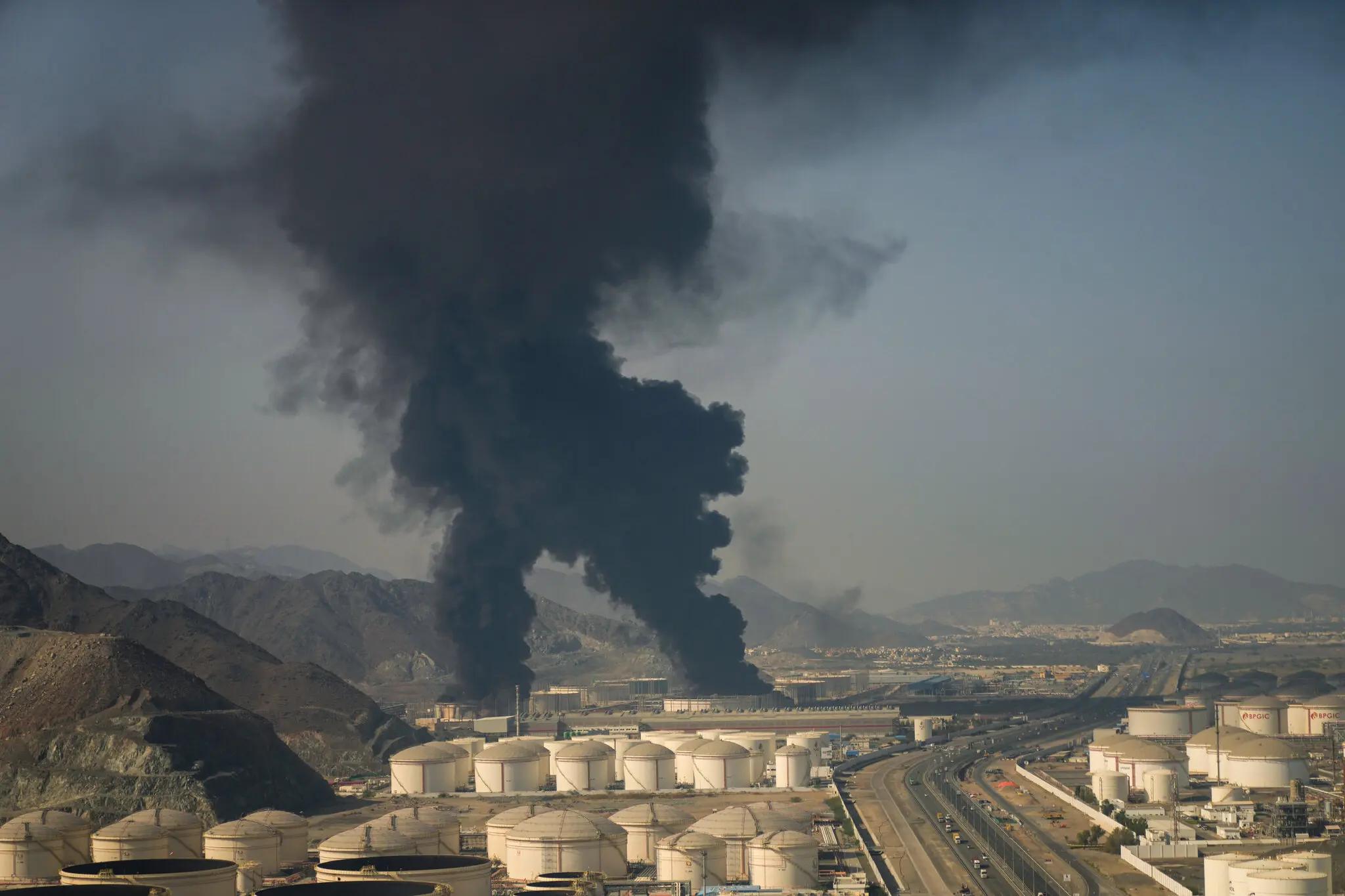
United Arab Emirates officials have been openly expressing their displeasure with their Arab neighbors in recent weeks, complaining about their weak stance toward Iran. Analysts are waiting to see how the official Abu Dhabi will show its displeasure at the summit.
In such a situation – on April 28, the UAE will leave the cartel of oil producing countries – OPEC announced. As of May 1, the UAE is not a member of this organization, which influences global energy prices. This decision of the emirates coincided with the time when Saudi Arabia is hosting the summit of the leaders of the Arab states of the Persian Gulf. In particular, as soon as Saudi Crown Prince Mohammed bin Salman started the meeting, his neighbor spread the “bombshell” news.
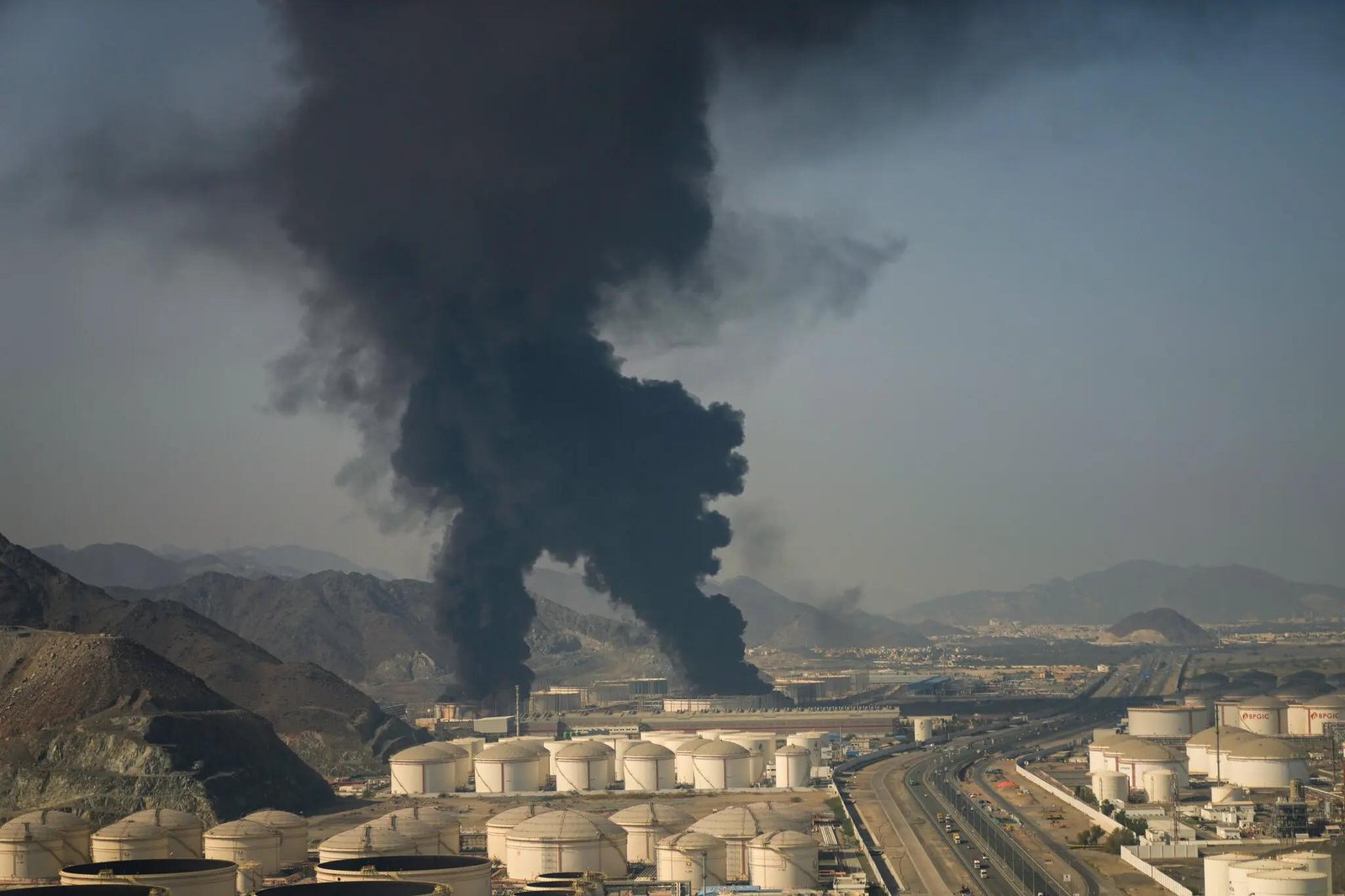
However, it was no secret to anyone in the region that Saudi Arabia is the de facto leader of OPEC. Emirati officials explained this decision with the desire to unilaterally increase the volume of oil production and meet the long-term needs of the market.
Whether the timing of this announcement was deliberate or coincidental, in any case it became a powerful symbol of recent tectonic shifts in the Middle East. is writing The New York Times. These processes were accelerated during the war. By moving away from OPEC, the Emirates government has shown that it is ready to take drastic steps in the direction of its interests, and is not limited by traditional alliances and patterns.
“This is the declaration of independence of the Emirates. They no longer feel beholden to institutions that do not serve their interests.” says Christine Diwan, a senior fellow at the Gulf States Institute in Washington.
The emergence of an “unbridled UAE” has serious implications for markets, economies and conflicts around the world. With over $2 trillion in sovereign wealth, this small country has built a large sphere of influence beyond its borders.
UAE vs Saudi rivalry
In an interview with the New York Times, UAE Energy Minister Suhail Al-Mazrui stated that the decision to withdraw from OPEC “has nothing to do with any (oil) producer.” He added that Saudi Arabia and the Emirates are “brothers” standing together during the war and crisis in Iran. But it cannot be denied that the UAE, a major oil exporter and close ally of the US, like the Saudis, is increasingly getting its own way in the region.
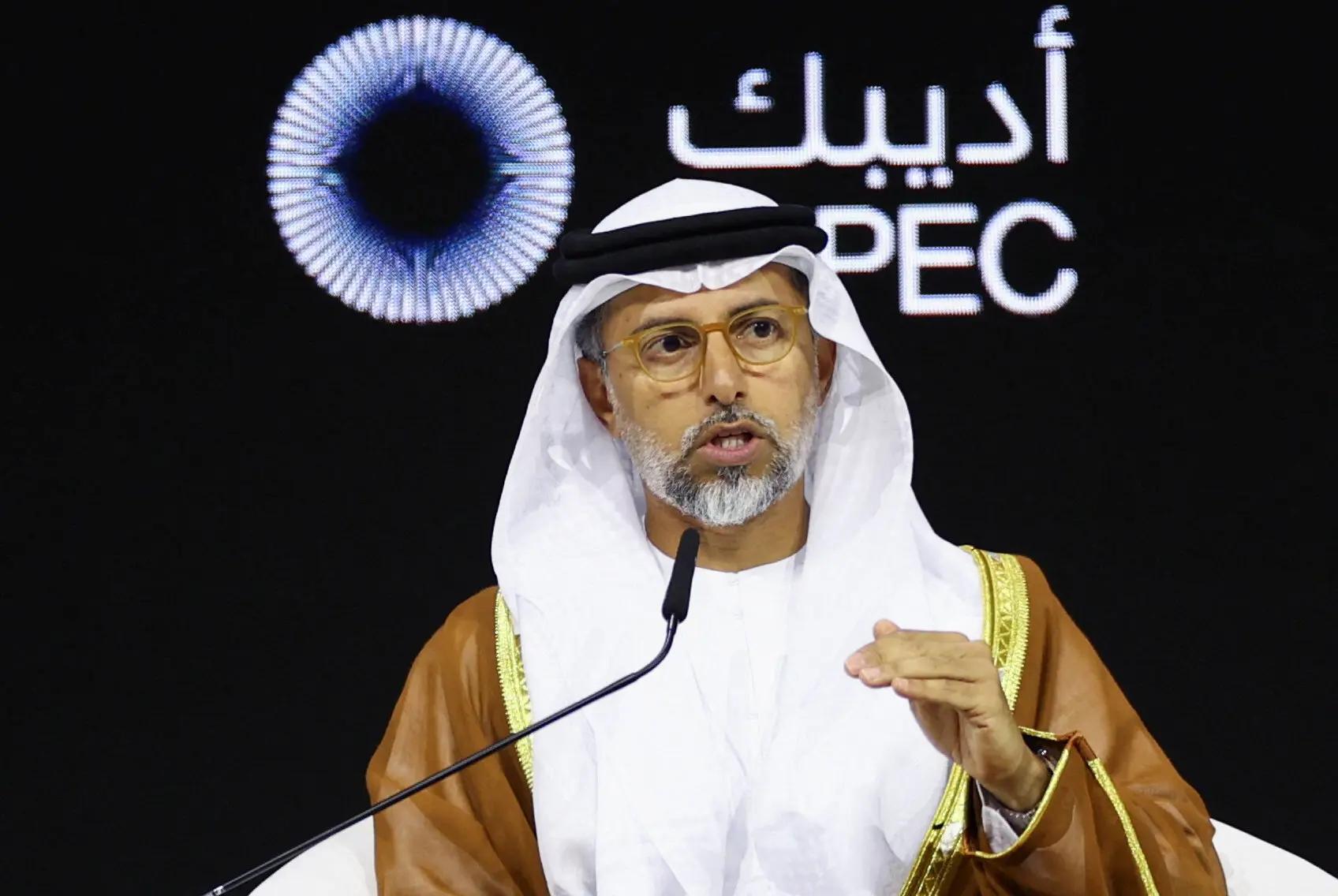
In recent years, Emirati officials have spoken out about the importance of pursuing their own economic interests, and have protested OPEC-imposed quotas that limit oil production.
As Gulf Arab governments distance themselves from or cut ties with Israel, the UAE has strengthened its alliance with Tel Aviv. And in Yemen, the UAE has supported armed rebels, drawing the ire of Saudi leaders who support the government there.
Interests also collide in Sudan’s brutal civil war. Saudi Arabia and Egypt support the Sudanese government, while the UAE backs a militia group that opposes the government. According to the publication, the UAE authorities have denied that Sudan is sending arms to the Rapid Action Force (RSF), despite abundant evidence.
Thus, the conflict between Saudi Arabia and the Emirates has been developing for several years. Today, this disagreement has reached the highest levels of the two governments.
The impact of the war in Iran
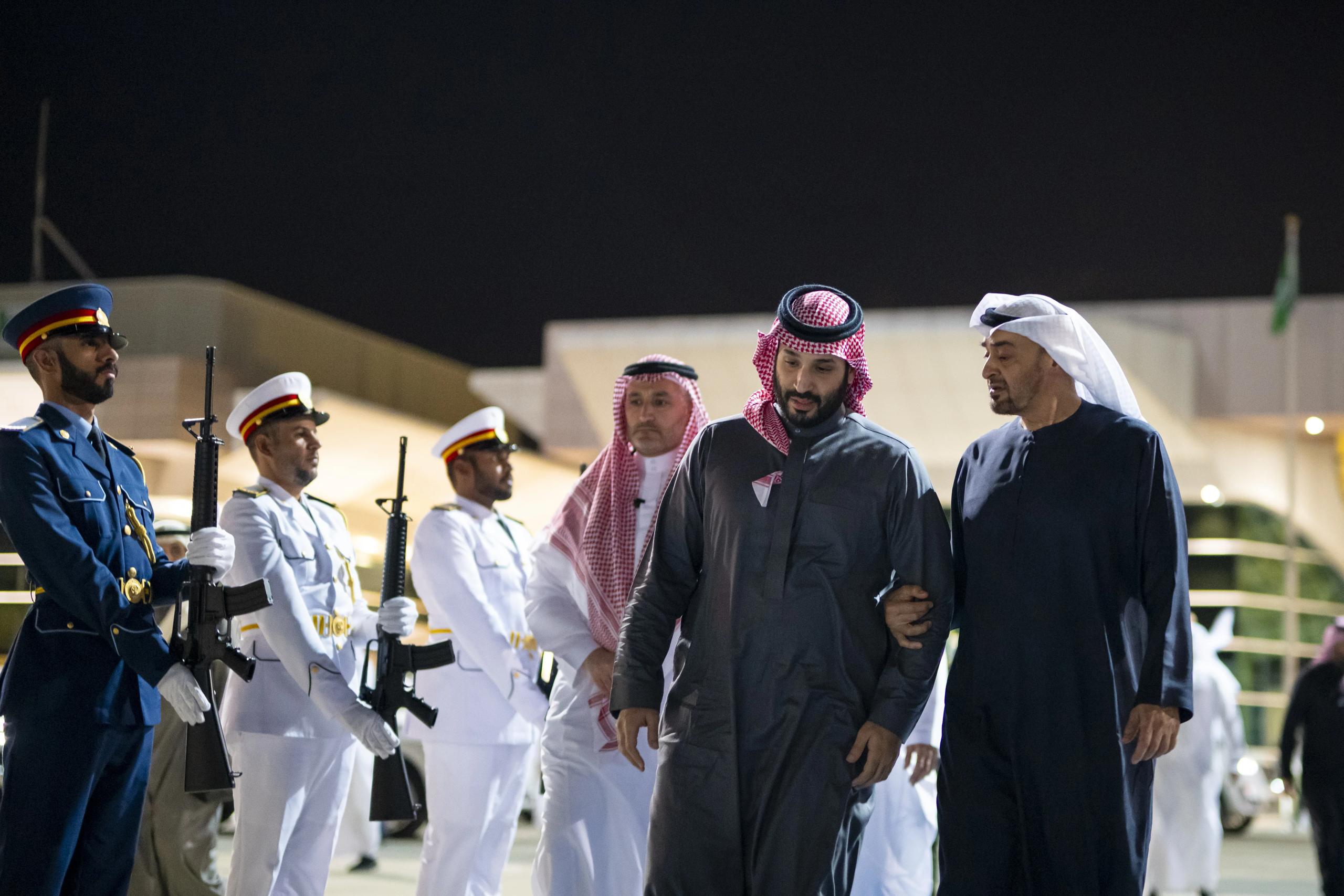
Saudi Prince Mohammed bin Salman and UAE President Sheikh Mohammed bin Zayed were once close associates. They united against the Houthis in Yemen in 2015, but have since drifted apart, taking opposing views on the future of the Middle East. This disconnect seems to have been reinforced during the war in Iran.
After the start of the US-Israeli attack on February 28, Iran focused the bulk of its retaliatory strikes on the Gulf countries where the United States facilities are located.
But rather than uniting the Gulf states against a common enemy, Iran’s drone and missile attacks appear to have helped tear the region apart.

In particular, while Gulf officials are considering how to respond to Iran, the UAE has taken steps to sever long-standing cultural and economic ties with the country. Saudi Arabia, which suffered fewer attacks and less casualties, strongly condemned Iran but supported Pakistan’s efforts to resolve the war diplomatically.
The UAE withdrew from this initiative. Emirati officials have repeatedly voiced their displeasure with multilateral organizations in the Arab and Islamic world and hinted at favoring a tougher stance on Iran.
At a conference in Dubai on Monday, a senior Emirati official, Anwar Gargash, said Gulf unity was “not up to the level of challenges” the war had caused: “Each Gulf state had its own policy of containment towards Iran. All these policies have failed,” he said.
Oil price issue
Over the years, oil policy has been a visible source of friction between the UAE and Saudi Arabia. The UAE favors a strategy of maximizing oil production. That is, they are looking to buy as much oil as possible until the energy markets completely abandon fossil fuels.
And Saudi Arabia wants to maintain high oil prices in the long term. This strategy sometimes requires OPEC members, including the UAE, to limit production. Because Saudi Arabia, which is much larger and more dependent on oil, needs higher revenues to finance the state budget and the grand and expensive plans of the crown prince.
The decision to withdraw from OPEC and increase oil production may also favor the Trump administration, which is under political pressure from high energy prices.
Emirati officials and pro-government commentators are speculating about the next steps, reflecting their government’s desire to take an independent path. According to some, the UAE may also withdraw from the League of Arab States, the Cooperation Council of Arab States of the Gulf or the Organization of Islamic Cooperation.
In particular, the UAE may soon make a decision on the Arab League: if not a complete withdrawal, there is a possibility of freezing membership or stopping funding of the organization.
According to analysts, the UAE has remained in OPEC for years only “out of respect for Saudi Arabia”. This exit made it clear that “they will no longer bow to the Saudi leadership.”