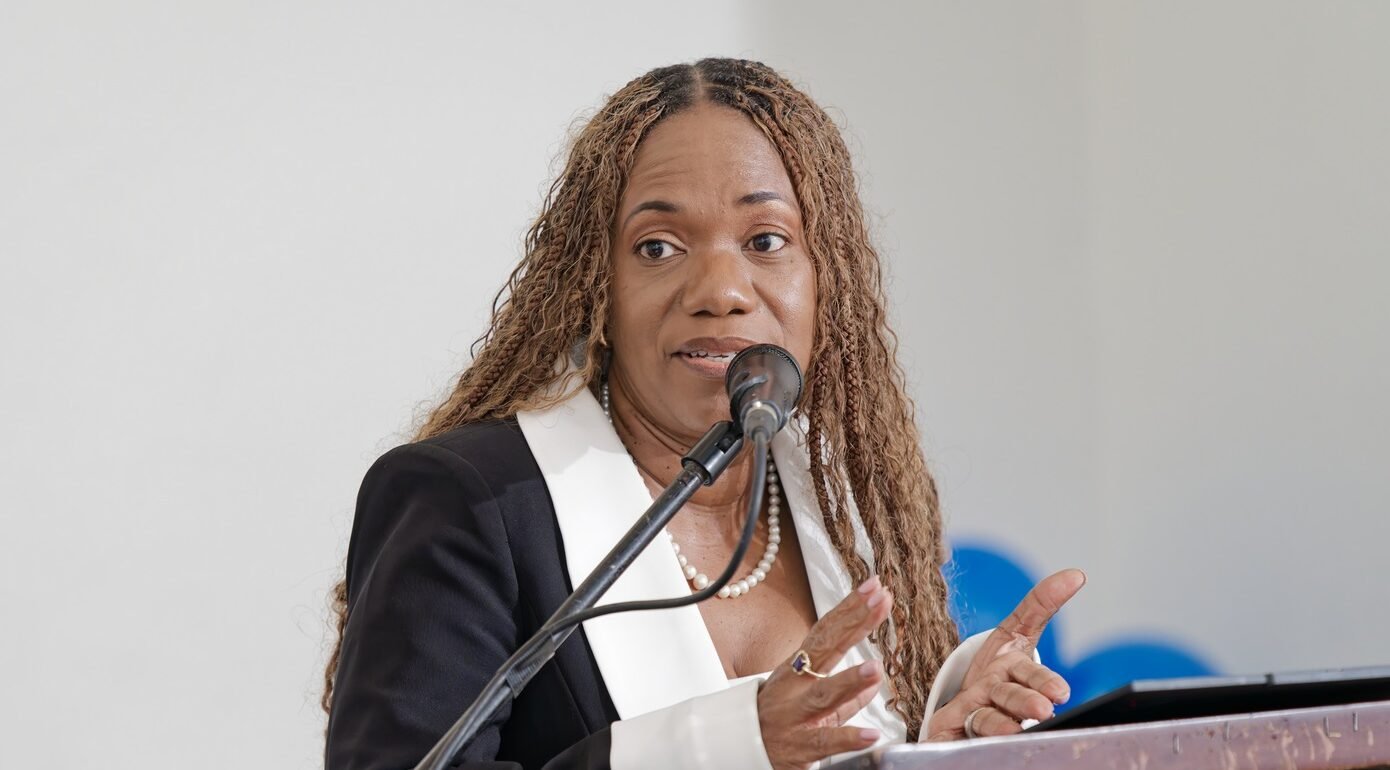

The effectiveness of the Caribbean Examinations Council’s (CXC®) disaster contingency planning, as presented by Director of Corporate Services Sheree Deslandes, took center stage at the recent Jamaica Employers’ Federation (JEF) Convention.
Her presentation, titled “Hardwired to Recover: HR, Disruption, and the Architecture of a Modern Caribbean Workforce,” highlighted how CXC’s Regional Disaster and Business Recovery Protocol enabled the organization to respond swiftly when Hurricane Melissa struck Jamaica in October 2025.
According to a CXC press release, it was among the most impactful and practical sessions at the event, where attendees praised the examination body’s response to Hurricane Melissa as a model of resilience and preparedness.
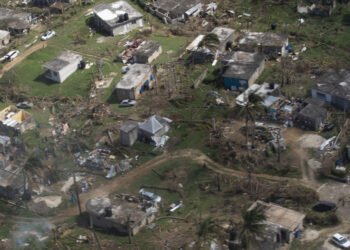
The hurricane damaged more than 800 educational institutions and affected over 250,000 students. However, Deslandes emphasized that CXC’s response was not developed during the crisis. Instead, it was built on systems and procedures already in place, having been tested during the COVID-19 pandemic, the 2021 La Soufrière volcanic eruption in St. Vincent and the Grenadines, and Hurricane Beryl in 2024.

The protocol allowed CXC to quickly introduce measures aimed at protecting students’ access to the January and May-June 2026 Caribbean Advanced Proficiency Examination® (CAPE®) and Caribbean Secondary Education Certificate® (CSEC®) examinations. Working alongside Jamaica’s Ministry of Education, Skills, Youth and Information, the Council provided examination fee refunds for candidates who felt unprepared to sit their exams, allowed late registrations without penalties, and adjusted School-Based Assessment (SBA) requirements and submission deadlines.
The approach resonated strongly with convention participants.
Training Consultant Tishauna Mullings described the organization’s response as a powerful example of resilience.
“The agile resilience demonstrated by CXC for our children is inspiring,” she said.
CXC reports that during the discussion, further insight was sought regarding the structures behind the successful response. Deslandes pointed to the strategic role of the Human Resources department, describing it as central to the organization’s preparedness and recovery efforts.
“Is your HR function built for the storm you haven’t seen yet?” she challenged. “At CXC, we are restructuring roles and reporting lines, modernising HR systems and workflows, and deliberately embedding a results-focused, recovery-ready organisational culture”, added Deslandes.
She argued that investments in human resource transformation go beyond internal efficiency, ultimately benefiting students, Ministries of Education, and employers who depend on a well-prepared future workforce.
“By design, HR-led transformational work is unfinished. It is a process of purposeful building and rebuilding, and a continuous discipline, where the HR function must be treated as not just support services, but as a strategic edge for productivity and resilience in our multigenerational Caribbean workforces”, said Deslandes.
The presentation reportedly came at a time when organizations across Jamaica and the wider Caribbean are examining strategies to strengthen resilience following Hurricane Melissa and prepare for future disruptions.
For many attendees, CXC states that its experience demonstrated that effective disaster recovery begins long before a crisis occurs.