Miami/A few days ago, the Secretary of State of the United States, Marco Rubio, finally confessed what a few of us knew and that I have been saying and repeating for months: that the United States will not take any action to overthrow the communist regime in Cuba and that this is a Cuban problem. As much as this hurts numerous compatriots who pinned their hopes on the Trump Administration, I must admit that Rubio is absolutely right. We are the ones who have to solve our problems. I am only sorry that I said it so late and that all that time I have been encouraging vain illusions.
Now, instead of regretting it, we must go in search of lost time and cement our dreams on firmer foundations. Let us remember Henry David Thoreau: “If you build a castle in the air, you have not wasted your time. The castle is there. You just need to lay the foundation.” In this case, what was missing was the firm foundation for those foundations. The question is what to do to solve our problems. For some there are only two possible solutions: A military coup or a popular uprising.
However, the power has been preparing for many years to crush any coup attempt with a very effective intelligence apparatus, modeled on the now defunct German Stasi, so the possibility of a victory against despotism is very small under current conditions.
What happens if conditions change? Let us remember that after the protests of July 11, several senior officers died under strange circumstances
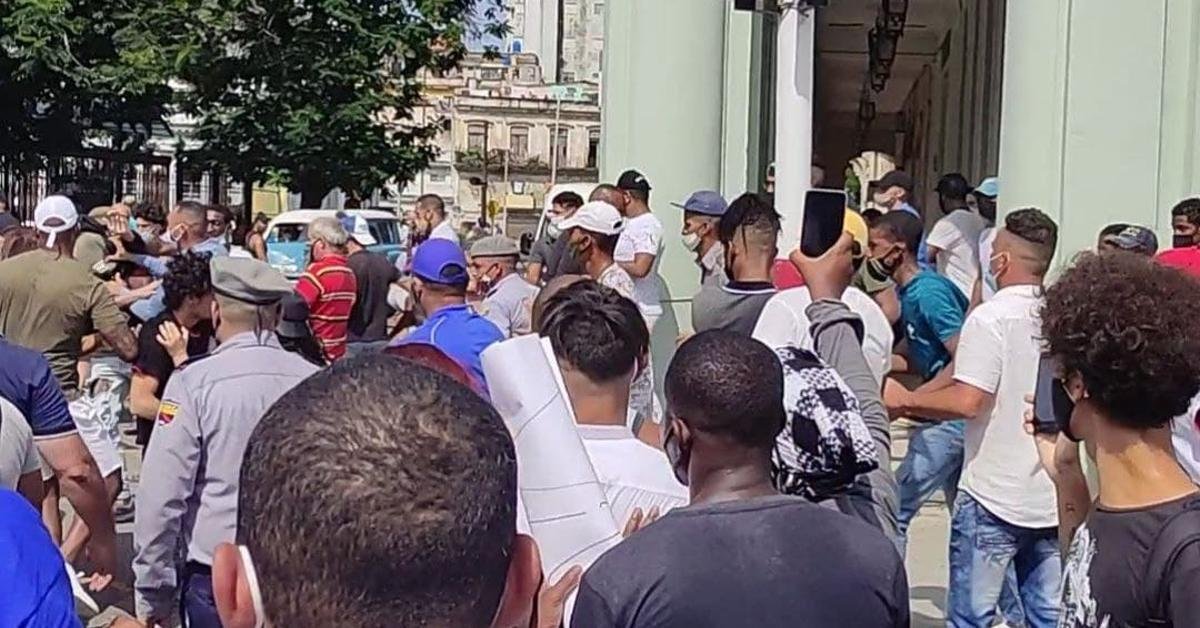
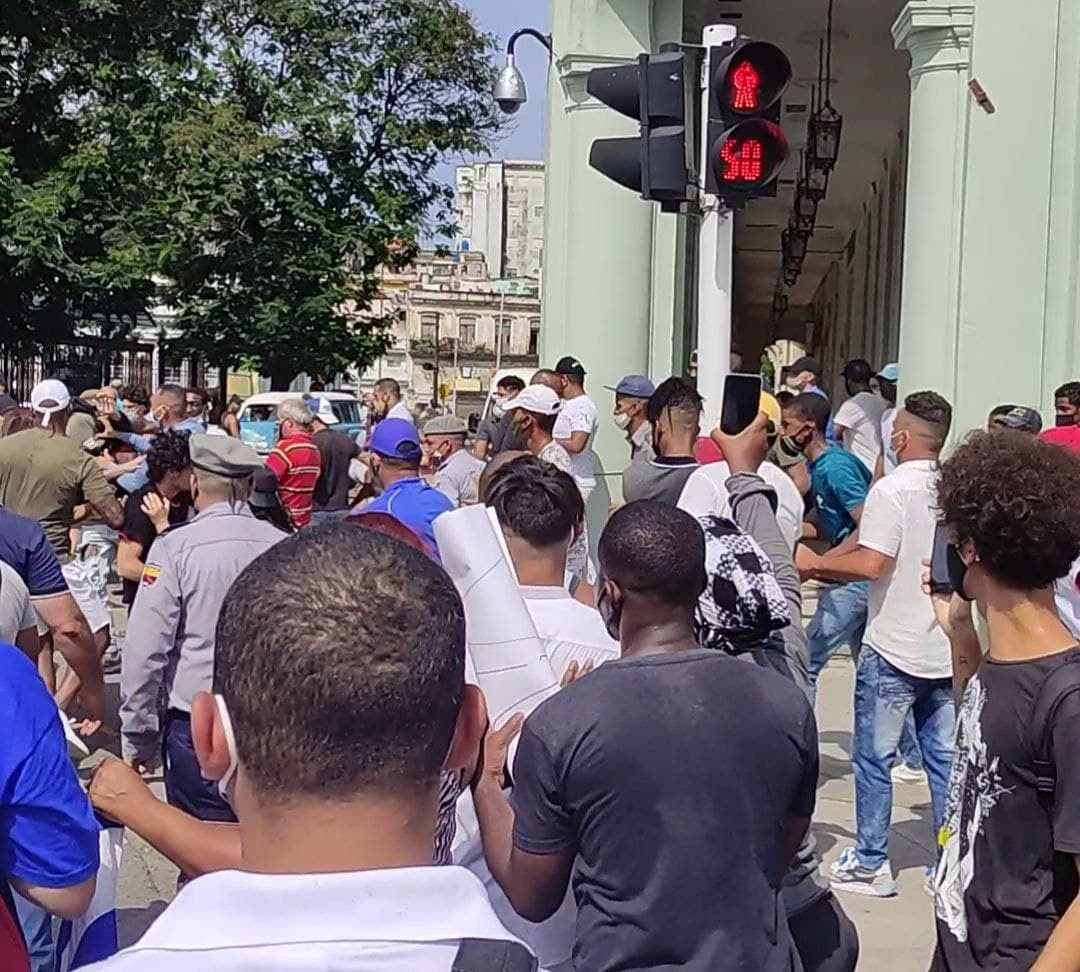
What happens if conditions change? Let us remember that after the protests of July 11, several senior officers died in strange circumstances, without honorary acts, without revealing the causes, and their remains were hastily cremated and without autopsies. That failed attempt was possible in the midst of the chaos caused by the demonstrations of tens of thousands of Cubans in several cities in the country. The failure occurred after the brutal crushing of the protests.
So we must ask ourselves why those protests that, despite everything, shook the walls of oppression failed. The answer, for me, is very clear: There was not yet sufficient and widespread awareness in the population. If there had been, it would not have been tens of thousands but hundreds of thousands. On the contrary, it was July 11 that created that awareness. And it was very clear with the reactions of many sectors of the population to the brutal repression of the regime: in the Church, in the Masonic lodges, in the student body – mainly in the schools of art, biology and the San Antonio de los Baños Film School – among others.
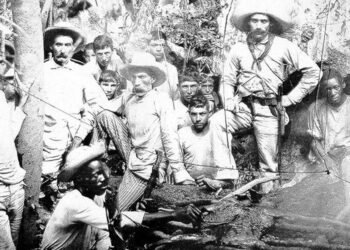
If we make a comparison of what happened against the Batista dictatorship in the 1950s, the similarities are illuminating with only one difference: that fight was violent and this one has been peaceful. Both acts of rebellion were a total failure in terms of the facts themselves. However, in terms of the repercussions they had among the population, both were very successful, both in the conspiracies that arose after the attack on the Moncada Barracks, and in the many protests that have followed those massive demonstrations. In both cases, the events were the starting point of a pre-revolutionary period, understanding by revolution not what the Cuban government leadership has made people believe, but according to the definition of the Royal Academy of Language, basically, a stage of profound changes in a national community. According to that definition, the Cuban Revolution began in 1959 and ended nine years later, in 1968, when the last radical change was made with the disappearance of small private property.
Both acts of rebellion were a total failure in terms of the facts themselves.
The pre-revolutionary period that goes from 1953 to 1959, which began with that attack on Moncada – where many young idealists enlightened by Martí’s thought participated, such as Gustavo Arcos Bergnes, Mario Chanes de Armas, the brothers Abel and Aidee Santamaría and many others who did not survive, all later betrayed by the unexpected course that a devious leadership imposed – was five and a half years. And in that year, 1959, the revolutionary stage began, that is, the profound changes that unfortunately led to a society with a totalitarian structure.
In the case of July 11, as of the time I write it is already more than five years, and although those periods do not have to last the same amount of time, if my theory is correct, it should no longer delay the revolutionary period itself. That is, we are very close to the outbreak of another revolution, because all the conditions are already in place and we only need to finish laying the correct foundations for the castle for a social explosion in which many more than tens of thousands will probably participate, including police and soldiers, because they are also part of the people, as well as the profound changes that did not come to fruition from a palm-green revolution.