The head of “Kenas” stresses the keenness on objective and balanced diagnosis:
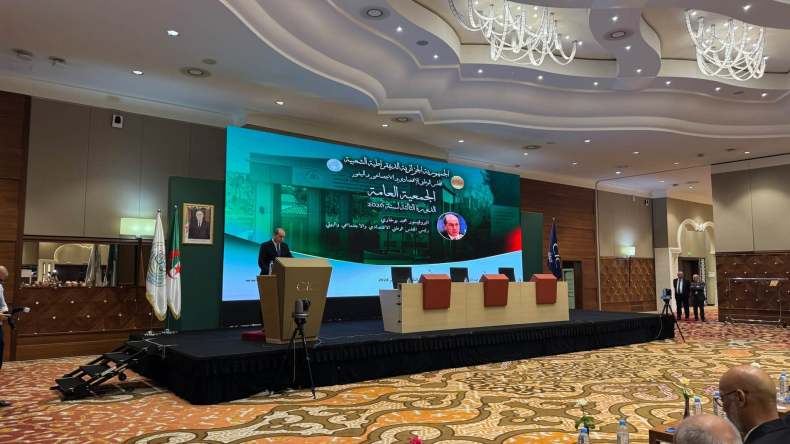
National Economic, Social and Environmental Council (Networks)
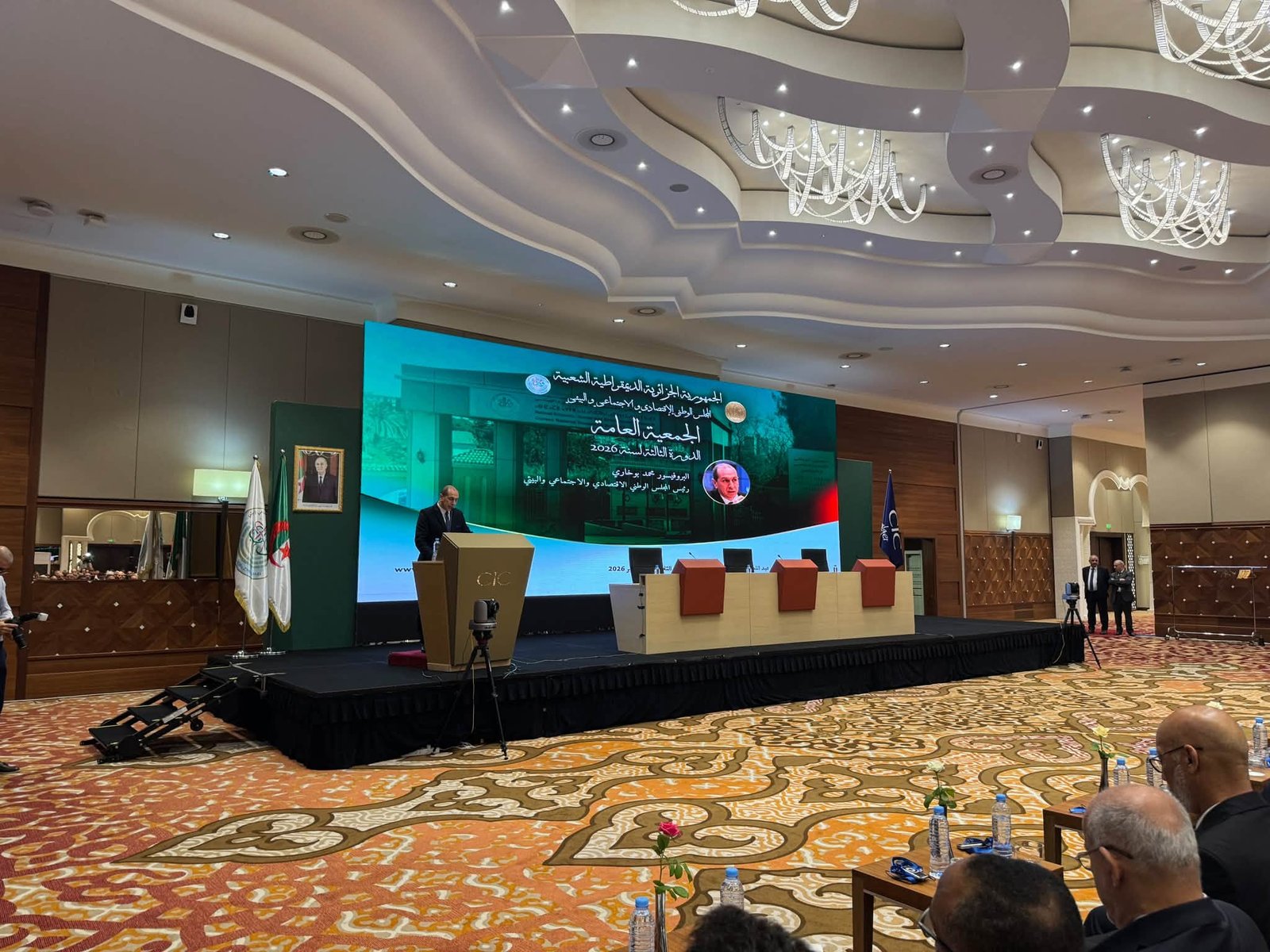
Part of the General Assembly.
Buhari: There are many and deep ramifications and dimensions that go beyond parallel educational practice
The President of the National Economic, Social and Environmental Council, Muhammadu Buhari, confirmed during the opening of the Council’s third regular General Assembly that the holding of this General Assembly constitutes an opportunity to renew collective responsibility in carrying out the tasks entrusted to the Council, foremost of which is thinking, consulting, dialogue and analyzing economic, social and environmental transformations, anticipating their effects, and proposing paths to contribute to improving the effectiveness, harmony and sustainability of policies established within this framework.
According to what was reported by Algerian radio, Buhari indicated during the meeting, which was held on Tuesday, that three draft reports would be presented to the General Assembly.
The first draft report relates to the notification by the President of the Republic on the issue of financing public services and the effectiveness of public institutions of an industrial and commercial nature, which focuses on the problem of reconciling the requirements of public service on the one hand, and the necessity of financial sustainability and economic efficiency on the other hand.
He said: “The public institution of an industrial and commercial nature is called upon to perform a mission of public benefit, and at the same time to make good use of the resources placed at its disposal, and to improve its governance, effectiveness, and ability to achieve the results expected of it.”
The second draft report, the subject of notification by the President of the Republic, deals with the phenomenon of private lessons outside official educational institutions.
The Chairman of the Council explained that this issue has many and deep ramifications and dimensions that go beyond a mere parallel educational practice, raising questions about the reasons for the spread of the phenomenon and its economic, social and educational repercussions and on the educational system itself.
Buhari stressed the Council’s keenness to adopt an objective and balanced reading in its approach to this issue, which goes beyond prejudices and seeks to understand the phenomenon in its causes, motives and effects.
The third report relates to the topic of a self-notification on institutional synergy within the process of breast cancer care in Algeria.
Bukhari stated that the Council noted that despite the state’s efforts to take care of breast cancer in Algeria, there remains room for improving performance and optimal care for the quality of the path that accompanies the patient from prevention and diagnosis to treatment, follow-up, rehabilitation and accompaniment.