Mexico City/The Cuban ambassador to Mexico, Eugenio Martínez Enríquez, assured this Tuesday that work is being done to “resume” the “energy shipments” from Mexico to Cuba that were stopped this year as a result of the threat of sanctions announced by Washington, emphasizing that it is “a brother country” with which there are “excellent” relations.
“I do not use the term ally because it is not typical in our political language, but we are talking about a sister country with which we have excellent relations. And work is being done to resume these energy shipments,” Martínez said in an interview with EFE at the headquarters of the Cuban embassy in Mexico City.
The diplomat stressed that “effectively, through a commercial agreement between a Cuban company and the (state oil company) Pemex, fuels were exported to Cuba. Cuba paid for those fuels regularly and that agreement was stopped.” He said the same last February the general director of the Mexican state company, Víctor Rodríguez Padilla, who assured that the Cubans were “very formal in their payments”, although it has never been proven that they exist nor have the invoices been shown.
“Through a commercial agreement between a Cuban company and the Pemex company, fuels were exported to Cuba. Cuba paid for those fuels regularly and that agreement was stopped”
“Therefore, we do not receive fuel in Cuba sent by Mexico. I cannot specify the exact date, but this year they stopped sending it,” said Martínez.
The Cuban ambassador highlighted that, however, there is close “collaboration” between both countries in sectors such as agriculture, with the shipment of fertilizers from Mexico to improve food production in Cuba, or Cuban doctors who work in dozens of rural municipalities in Mexico.
“The manifestations of generosity, humanism and solidarity from Mexico and Cuba are permanent, from their Government and their population. 80% of Mexicans reject the blockade of Cuba and support the Government of Mexico helping Cuba. These data are not negligible,” he stressed.
Mexico acknowledged at the beginning of the year that it has stopped shipments to the Island to avoid the activation of tariffs by the Government of United States President Donald Trump, who has increased pressure on Havana, although it indicated that it has continued sending humanitarian aid.
Claudia Sheinbaum has insisted on several occasions that she was studying how to sell fuel to Cuba, the last of them in June, when he talked about doing it through “private companies that have permission.” The president stressed that work had been underway on this scheme for some time and she hoped to be able to resume it “soon on a commercial basis,” in addition to specifying that it would not be as a “humanitarian” shipment.
At the end of 2025, Mexico became the main supplier of oil and derivatives to Cuba, but it was never clear how it could meet those payments that, as the parties have insistently alleged, were being made.
Pemex reported that in 2025through its subsidiary Gasolina Bienestar, exported to Cuba 15,000 barrels of crude oil and 2,200 barrels of oil derivatives per day for a total value of 500 million dollars. According to the company, they represented 3.1% of total exports and 1.8% of derivatives.
At the end of 2025, Mexico became the main supplier of oil and derivatives to Cuba, but it was never clear how it could meet those payments that, according to the parties have insistently alleged, were made
In its 2024 report, Gasolinas de Bienestar recorded the export of 20,100 barrels per day of crude oil and 2,700 barrels per day of its derivatives for a value of 600 million dollars. Between July and December 2023, 16,800 barrels of crude oil per day and 3,300 barrels of derivatives were shipped, worth $400 million.
According to the oil company, sales are made through contracts denominated in pesos at current market rates. In addition, it was specified that as of March 31, 2026, Gasolina Bienestar changed its name to Servicios Logísticos Integrales Mumiya.
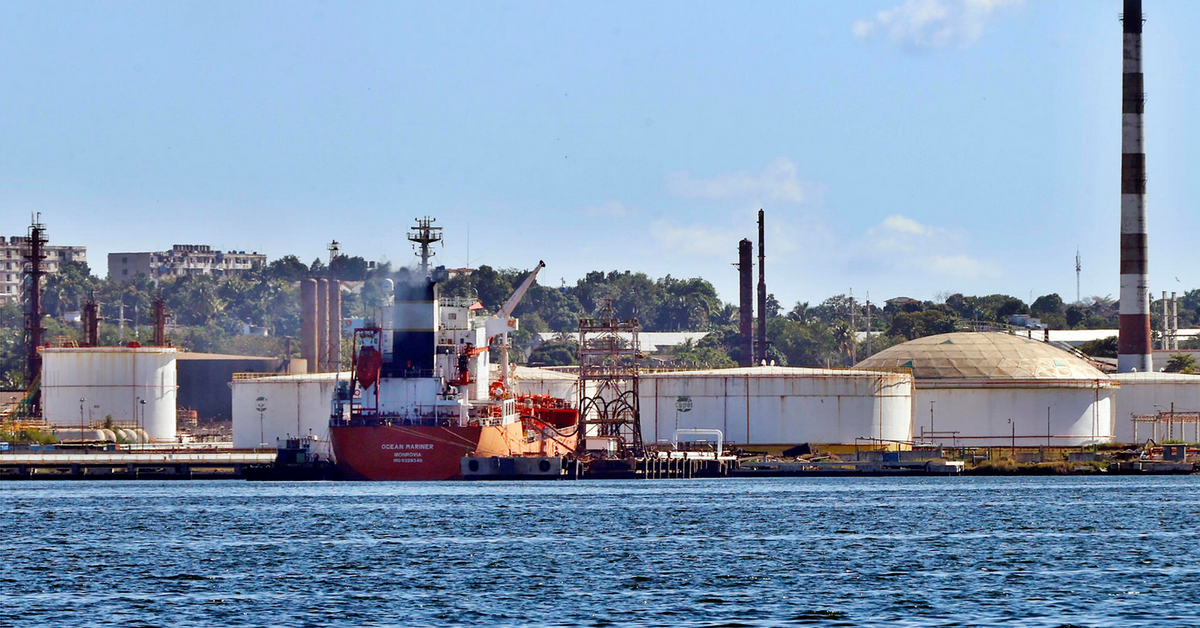
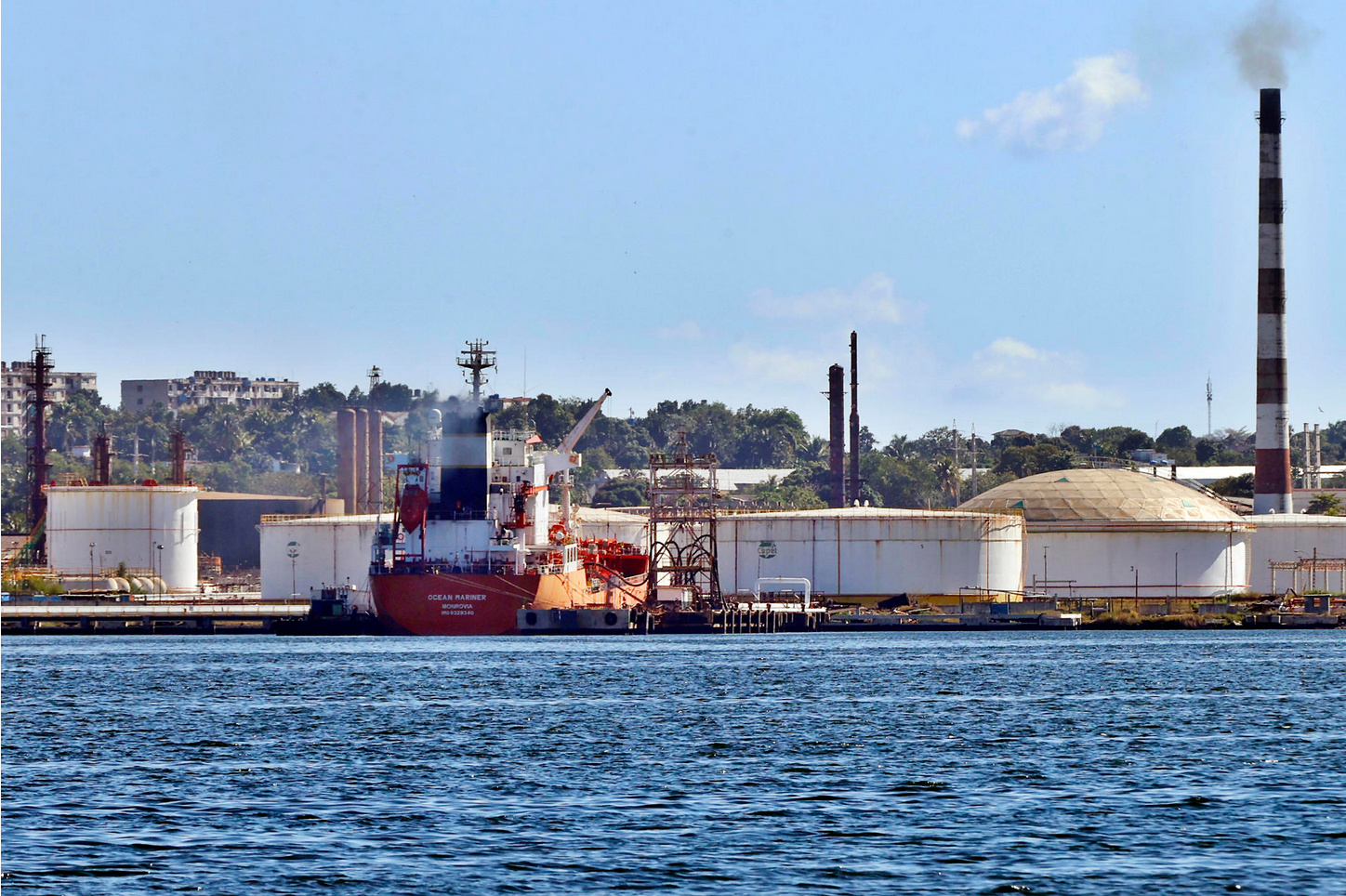
On January 9, the Ocean Mariner with about 80,000 barrels. This was the last shipment that the Island received from the neighboring country, although Díaz-Canel never mentions it and refers to the Anatoly Kolodkin Russian, which arrived in Cuba on March 31, as the only tanker with imported crude oil in 2026.