Tegucigalpa, Honduras
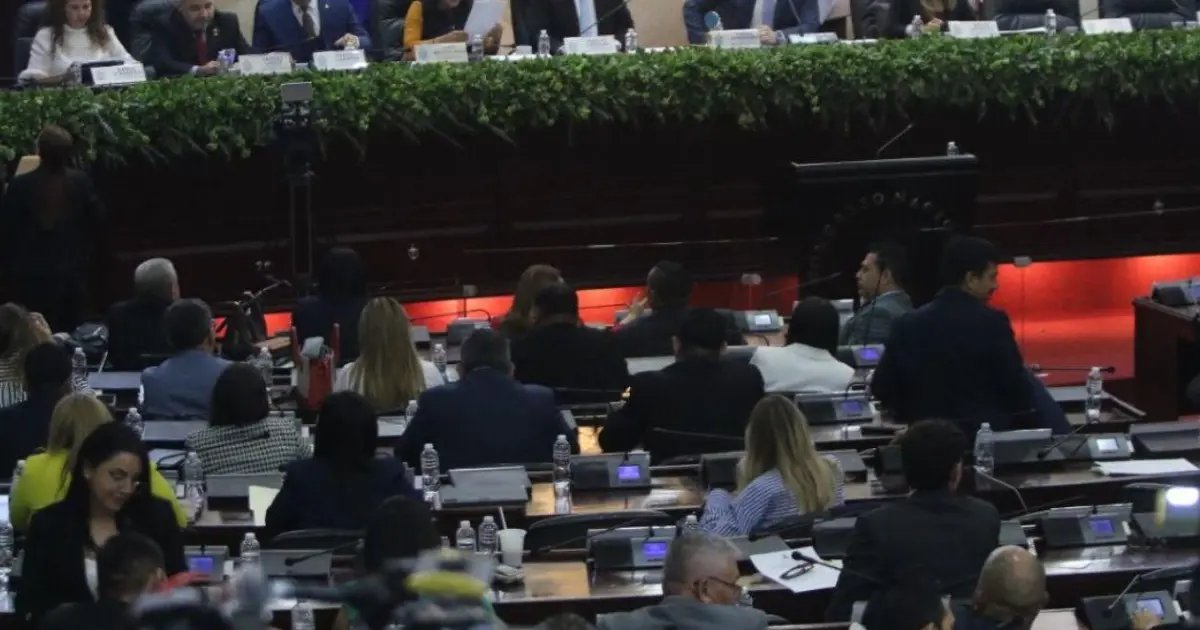
The reconfiguration of the Honduran electoral institutions entered a key phase within the National Congresswhere the election of new authorities of the National Electoral Council (CNE) and the Electoral Justice Court (ECJ) It advances between complex negotiations, lack of consensus and partisan differences on reforms to the electoral system.
The process has already passed a first stage with the technical evaluation and purification of the resumes of the candidates, which allowed the list to be reduced to a list of professionals considered suitable to occupy positions in the electoral organizations.
However, the real political challenge will begin in the legislative plenary session, where 86 votes are needed to approve electoral reforms and appoint new authorities, a figure that forces the parties to build broad agreements in an environment marked by polarization.
“We already submitted the list of the 24 self-nominating candidates. I think it was a good job done, very objective, and I think we have been very uncritical or that someone came in through political patronage,” said Antonio Rivera Callejas, president of the Electoral Affairs Commission of the National Congress.
According to Rivera Callejas, the first stage of reforms does not contemplate comprehensive changes to the electoral rules, but rather specific and operational modifications aimed at streamlining the internal functioning of the CNE and the TJE.
One of the main points will be to eliminate the requirement for unanimity in the decisions of both entities, to replace it with the criterion of majority voting between councilors and magistrates.
The intention, according to the legislative commission, is to avoid internal blockages that could paralyze administrative decisions or affect compliance with electoral schedules.
“I estimate that in the month of July we will be presenting it, so that in the month of October we will present the other reforms that are the most profound, such as citizenship of the tables, use of the TREP, use of biometrics”Rivera Callejas said.
With this calendar, operational reforms would be discussed first, while the most sensitive issues, such as the Transmission of Preliminary Electoral Results (Trep), biometric identification and citizen integration of polling stations, would be left for the last quarter of the year.
The legislative debate is also conditioned by the selection of the new electoral authorities. The situation varies between officials who could request temporary licenses and permanent vacancies generated by political trials, resignations or deaths, as occurred with the former ECJ magistrate, Miriam Barahona.
Rivera Callejas acknowledged that the election of the new profiles will be a more complex task, due to the differences between those who defend the traditional distribution of party quotas and those who propose a more depoliticized integration, with the participation of sectors of civil society.
“I think this is going to be more complicated, more difficult and will take more time,” said the head of the Electoral Affairs Commission.
For the deputies, the reform of the laws and the selection of the new electoral authorities are directly related, since they consider that it would not make sense to appoint new officials if they must operate under the same rules that have caused institutional blockages.
The lack of immediate agreements will keep the final integration of the CNE and the ECJ on hold for the coming months, at a time when Congress will have to decide whether to achieve the necessary consensus to reform the electoral regulations before the next democratic processes.