Friday, June 19, 2026
    The GeoStrategic Consensus
    No Result
    View All Result
    • Login
    • HOME
    • AMERICAS
      • Argentina
      • Brazil
      • Canada
      • Chile
      • Colombia
      • Costa Rica
      • Cuba
      • Dominican Republic
      • Ecuador
      • El Salvador
      • Greenland
      • Guatemala
      • Honduras
      • Mexico
      • Nicaragua
      • Panama
      • Paraguay
      • Peru
      • United States
      • Uruguay
      • Venezuela
    • ASIA-PACIFIC
      • Australia
      • Brunei Darussalam
      • Cambodia
      • China
      • Federated States of Micronesia
      • Fiji
      • Indonesia
      • Japan
      • Kiribati
      • Laos
      • Malaysia
      • Marshall Islands
      • Mongolia
      • Myanmar
      • Nauru
      • New Zealand
      • North Korea
      • Palau
      • Papua New Guinea
      • Philippines
      • Samoa
      • Singapore
      • Solomon Islands
      • South Korea
      • Taiwan
      • Thailand
      • Timor-Leste
      • Tonga
      • Tuvalu
      • Vanuatu
      • Vietnam
    • CARICOM
      • CARICOM – Non-English
        • Haiti
        • Suriname
      • CARICOM Associates
        • Anguilla
        • Bermuda
        • British-Virgin-Islands
        • Cayman-Islands
        • Curacao
        • Turks-and-Caicos
      • CARICOM English
        • Antigua and Barbuda
        • Barbados
        • Belize
        • Dominica
        • Grenada
        • Guyana
        • Jamaica
        • Montserrat
        • Saint Kitts and Nevis
        • Saint Lucia
        • Saint Vincent and the Grenadines
        • The Bahamas
        • Trinidad and Tobago
    • EURASIA
      • Armenia
      • Azerbaijan
      • Balarus
      • Georgia
      • Kazakhstan
      • Kyrgyzstan
      • Moldova
      • Russia
      • Tajikistan
      • Turkmenistan
      • Ukraine
      • Uzbekistan
    • EUROPE
      • Albania
      • Andorra
      • Austria
      • Bosnia and Herzegovina
      • Bulgaria
      • Croatia
      • Cyprus
      • Czech Republic
      • Denmark
      • Estonia
      • Finland
      • France
      • Germany
      • Greece
      • Holy See
      • Hungary
      • Iceland
      • Ireland
      • Italy
      • Kosovo
      • Latvia
      • Liechtenstein
      • Lithuania
      • Luxembourg
      • Malta
      • Monaco
      • Montenegro
      • Netherlands
      • North Macedonia
      • Norway
      • Poland
      • Portugal
      • Romania
      • San Marino
      • Serbia
      • Slovakia
      • Slovenia
      • Spain
      • Sweden
      • Switzerland
      • United Kingdom
    • MIDDLE EAST AND NORTH AFRICA
      • Algeria
      • Bahrain
      • Egypt
      • Iran
      • Iraq
      • Israel
      • Jordan
      • Kuwait
      • Lebanon
      • Lybia
      • Morocco
      • Oman
      • Palestinian Territories
      • Qatar
      • Saudi Arabia
      • Syria
      • Tunisia
      • Turkey
      • United Arab Emirates
      • Western Sahara
      • Yemen
    • SOUTH ASIA
      • Afghanistan
      • Bangladesh
      • Bhutan
      • India
      • Maldives
      • Nepal
      • Pakistan
      • Sri Lanka
    • SUB-SAHARAN AFRICA
      • Angola
      • Benin
      • Botswana
      • Burkina Faso
      • Burundi
      • Cabo Verde
      • Cameroon
      • Central African Republic
      • Chad
      • Comoros
      • Cote d’Ivoire
      • Democratic Republic of the Congo
      • Djibouti
      • Equatorial Guinea
      • Eritrea
      • Eswatini
      • Ethiopia
      • Gabon
      • Gambia
      • Ghana
      • Guinea
      • Guinea Bissau
      • Kenya
      • Lesotho
      • Liberia
      • Madagascar
      • Malawi
      • Mali
      • Mauritania
      • Mauritius
      • Mozambique
      • Namibia
      • Niger
      • Nigeria
      • Republic of the Congo
      • Rwanda
      • Sao Tome and Principe
      • Senegal
      • Seychelles
      • Sierra Leone
      • Somalia
      • South Africa
      • South Sudan
      • Sudan
      • Tanzania
      • Togo
      • Uganda
      • Zambia
      • Zimbabwe
    • HOME
    • AMERICAS
      • Argentina
      • Brazil
      • Canada
      • Chile
      • Colombia
      • Costa Rica
      • Cuba
      • Dominican Republic
      • Ecuador
      • El Salvador
      • Greenland
      • Guatemala
      • Honduras
      • Mexico
      • Nicaragua
      • Panama
      • Paraguay
      • Peru
      • United States
      • Uruguay
      • Venezuela
    • ASIA-PACIFIC
      • Australia
      • Brunei Darussalam
      • Cambodia
      • China
      • Federated States of Micronesia
      • Fiji
      • Indonesia
      • Japan
      • Kiribati
      • Laos
      • Malaysia
      • Marshall Islands
      • Mongolia
      • Myanmar
      • Nauru
      • New Zealand
      • North Korea
      • Palau
      • Papua New Guinea
      • Philippines
      • Samoa
      • Singapore
      • Solomon Islands
      • South Korea
      • Taiwan
      • Thailand
      • Timor-Leste
      • Tonga
      • Tuvalu
      • Vanuatu
      • Vietnam
    • CARICOM
      • CARICOM – Non-English
        • Haiti
        • Suriname
      • CARICOM Associates
        • Anguilla
        • Bermuda
        • British-Virgin-Islands
        • Cayman-Islands
        • Curacao
        • Turks-and-Caicos
      • CARICOM English
        • Antigua and Barbuda
        • Barbados
        • Belize
        • Dominica
        • Grenada
        • Guyana
        • Jamaica
        • Montserrat
        • Saint Kitts and Nevis
        • Saint Lucia
        • Saint Vincent and the Grenadines
        • The Bahamas
        • Trinidad and Tobago
    • EURASIA
      • Armenia
      • Azerbaijan
      • Balarus
      • Georgia
      • Kazakhstan
      • Kyrgyzstan
      • Moldova
      • Russia
      • Tajikistan
      • Turkmenistan
      • Ukraine
      • Uzbekistan
    • EUROPE
      • Albania
      • Andorra
      • Austria
      • Bosnia and Herzegovina
      • Bulgaria
      • Croatia
      • Cyprus
      • Czech Republic
      • Denmark
      • Estonia
      • Finland
      • France
      • Germany
      • Greece
      • Holy See
      • Hungary
      • Iceland
      • Ireland
      • Italy
      • Kosovo
      • Latvia
      • Liechtenstein
      • Lithuania
      • Luxembourg
      • Malta
      • Monaco
      • Montenegro
      • Netherlands
      • North Macedonia
      • Norway
      • Poland
      • Portugal
      • Romania
      • San Marino
      • Serbia
      • Slovakia
      • Slovenia
      • Spain
      • Sweden
      • Switzerland
      • United Kingdom
    • MIDDLE EAST AND NORTH AFRICA
      • Algeria
      • Bahrain
      • Egypt
      • Iran
      • Iraq
      • Israel
      • Jordan
      • Kuwait
      • Lebanon
      • Lybia
      • Morocco
      • Oman
      • Palestinian Territories
      • Qatar
      • Saudi Arabia
      • Syria
      • Tunisia
      • Turkey
      • United Arab Emirates
      • Western Sahara
      • Yemen
    • SOUTH ASIA
      • Afghanistan
      • Bangladesh
      • Bhutan
      • India
      • Maldives
      • Nepal
      • Pakistan
      • Sri Lanka
    • SUB-SAHARAN AFRICA
      • Angola
      • Benin
      • Botswana
      • Burkina Faso
      • Burundi
      • Cabo Verde
      • Cameroon
      • Central African Republic
      • Chad
      • Comoros
      • Cote d’Ivoire
      • Democratic Republic of the Congo
      • Djibouti
      • Equatorial Guinea
      • Eritrea
      • Eswatini
      • Ethiopia
      • Gabon
      • Gambia
      • Ghana
      • Guinea
      • Guinea Bissau
      • Kenya
      • Lesotho
      • Liberia
      • Madagascar
      • Malawi
      • Mali
      • Mauritania
      • Mauritius
      • Mozambique
      • Namibia
      • Niger
      • Nigeria
      • Republic of the Congo
      • Rwanda
      • Sao Tome and Principe
      • Senegal
      • Seychelles
      • Sierra Leone
      • Somalia
      • South Africa
      • South Sudan
      • Sudan
      • Tanzania
      • Togo
      • Uganda
      • Zambia
      • Zimbabwe
    No Result
    View All Result
    Agentially
    No Result
    View All Result
    Home ASIA-PACIFIC China

    ‘China Shock 2.0’ a myth that will collapse – Opinion

    The Analyst by The Analyst
    June 19, 2026
    in China
    ‘China Shock 2.0’ a myth that will collapse – Opinion


    LI MIN/CHINA DAILY

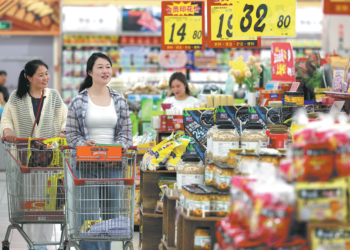
    As China and Europe mark over 50 years of diplomatic relations, cooperation remains the cornerstone of the relationship.

    READ ALSO

    Japan's intel council bill opens a dangerous door

    Wildlife that is ‘paw-etry’ in motion

    However, rising geopolitical rivalry has sharpened Europe”s anti-China rhetoric of “de-risking” and economic security. Among the latest catchphrases, none is more politically expedient yet intellectually weak than the so-called “second China shock”, or “China Shock 2.0”.

    The original “China Shock” thesis, propounded by United States economists David H. Autor, David Dorn and Gordon H. Hanson, argued that China’s entry into the World Trade Organization and subsequent export boom disrupted the US labor market.

    Washington revived the narrative in 2024, this time claiming that China’s rise in electric vehicles, clean energy and advanced manufacturing once again threatens Western industry.

    Europe quickly picked up the script. At the Davos summit in 2025, European Commission President Ursula von der Leyen warned of a “second China shock” to world trade caused by Chinese export subsidies. This argument resurfaced at the G7 summit months later, with calls for a coordinated response to China.

    European media and think tanks depicted Chinese products as “flooding” European markets and endangering jobs.

    While the politics is loud, the economics is far less convincing. The claim that Chinese exports are driving Europe’s industrial decline mistakes symptoms for causes. Trade imbalances are not moral tales of one economy “attacking” another. They reflect market demand, industrial specialization and shifting comparative advantages.

    China’s industrial upgrading has naturally reduced its dependence on some European high-end products.

    At the same time, Chinese exports meet the actual demands of European consumers and industries. Blaming Europe’s competitiveness challenges on a “second China shock” is therefore convenient but analytically flawed.

    Europe’s deeper challenge lies closer to home. Traditional sectors such as automobiles and machinery are under pressure from the green and digital transition. European firms face high energy costs, expensive labor and heavy regulation.

    At the same time, US industrial subsidies, from the Inflation Reduction Act to the CHIPS Act, are pulling investment across the Atlantic.

    China’s rapid advances in renewable energy, AI and electric vehicles have intensified Europe’s anxiety. But anxiety is not analysis.

    Instead of addressing structural weaknesses directly, some policymakers have externalized them. Under the banner of “de-risking”, economic cooperation increasingly risks becoming “de-cooperation” — a path more likely to weaken Europe’s innovation capacity than strengthen it.

    Europe’s energy policy offers a revealing example. Its effort to reduce dependence on Russian energy came with heavy economic costs. Energy-intensive industries reduced production, relocated investment or shut facilities entirely.

    German chemical giant BASF scaled back operations in Europe while expanding in China, drawn by market size, stable supply chains and lower operating costs.

    That reality is significant. Much of Europe’s industrial strain stems from its own policy choices, not imported Chinese goods. But complex domestic problems rarely make effective political slogans.

    “Cheap Chinese products” are easier to sell to frustrated voters than debates over energy strategy, debt burdens or regulatory reform. Blaming China for lost jobs is more electorally rewarding than admitting policy mistakes.

    Europe’s economic malaise owes as much to weakening global demand as to its own shortsighted trade policies and mounting debt burdens. China is not the chief culprit behind Europe’s troubles. If anything, it remains a vital opportunity.

    European high-end manufacturing and services continue to command substantial market share in China, while Chinese intermediate and consumer goods help keep Europe’s economy running. To pin Europe’s economic stagnation on China is not a serious diagnosis but a convenient deflection that sidesteps harder truths and excuses policy missteps.

    Misdiagnosing Europe’s problems can produce bad policy: more protectionism, more ideological filtering of trade, and deeper suspicion toward one of Europe’s largest economic partners. In the long run, that risks narrowing Europe’s own development space.

    Not all European voices accept this logic. French Nobel laureate Philippe Aghion has argued that economic development is fundamentally a process of innovation and creative destruction.

    China’s rise is part of that global transformation, not an anomaly to be contained. Europe can respond creatively — or defensively.

    Protectionism will not restore competitiveness. Politicizing economic challenges will not lower energy prices, revive productivity or solve investment shortages. A more practical path is cooperation.

    In green development, China and Europe are natural partners.

    Europe needs rapid decarbonization; China leads in clean-energy manufacturing, electric vehicles and large-scale green supply chains.

    Without China’s participation, Europe’s energy transition becomes far harder and more expensive.

    The same logic applies to the digital economy. Europe brings regulatory expertise; China offers market scale and innovation ecosystems. Collaboration on standards, technology and governance could create shared gains rather than zero-sum rivalry.

    Trade tells a similar story. China and Europe are deeply intertwined economically. Their commercial ties support millions of jobs, investment flows and industrial networks on both sides.

    European companies continue to profit from the Chinese market, just as European industries benefit from Chinese intermediate and consumer goods.

    China has never sought to “shock” Europe. The “second China shock” narrative reflects Europe’s growing competitiveness anxiety and the search for an external culprit.

    If Europe approaches China with greater strategic calm — and with a clearer understanding of its own economic challenges — cooperation, not confrontation, will be the correct response.

    And once rhetoric collides with economic reality, the myth of a “second China shock” will begin to collapse under its own contradictions.

    The author is the deputy director of the Department of Central and Eastern Europe at the Institute of European Studies, Chinese Academy of Social Sciences.

    The views don’t necessarily reflect those of China Daily.

    If you have a specific expertise, or would like to share your thought about our stories, then send us your writings at opinion@chinadaily.com.cn, and comment@chinadaily.com.cn.


    Source link

    Related Posts

    Japan's intel council bill opens a dangerous door
    China

    Japan's intel council bill opens a dangerous door

    June 18, 2026
    China

    Wildlife that is ‘paw-etry’ in motion

    June 18, 2026
    China

    Sinologist recommends three must-read Chinese classics

    June 18, 2026
    China’s retail sales of consumer goods exceed 20t yuan in first 5 months
    China

    China’s retail sales of consumer goods exceed 20t yuan in first 5 months

    June 18, 2026
    Cambodia begins visa-free trial for Chinese tourists in bid to revive travel
    China

    Cambodia begins visa-free trial for Chinese tourists in bid to revive travel

    June 18, 2026
    China’s spring recruitment campaign offers 12.68 million jobs to graduates
    China

    China’s spring recruitment campaign offers 12.68 million jobs to graduates

    June 18, 2026
    Next Post
    New Air Vanuatu CEO expected soon | News

    New Air Vanuatu CEO expected soon | News

    POPULAR NEWS

    Second round results Peru 2026 Elections LIVE: ONPE count, electoral flash and who wins between Keiko Fujimori and Roberto Sánchez today, June 7

    Second round results Peru 2026 Elections LIVE: ONPE count, electoral flash and who wins between Keiko Fujimori and Roberto Sánchez today, June 7

    June 19, 2026
    Over 6m Afghans returned from Pakistan, Iran since 2023: UNHCR – Pajhwok Afghan News

    Over 6m Afghans returned from Pakistan, Iran since 2023: UNHCR – Pajhwok Afghan News

    June 18, 2026
    Trump and doctors signed the memorandum of understanding between Iran and America virtually

    Trump and doctors signed the memorandum of understanding between Iran and America virtually

    June 18, 2026
    What to Know About Canada’s New Citizenship Eligibility Requirements and How to Apply

    What to Know About Canada’s New Citizenship Eligibility Requirements and How to Apply

    June 18, 2026
    Al-Riyadh newspaper | Huawei strengthens its global leadership in wrist wearables with 9.5 million units shipped in the first quarter of 2026

    Al-Riyadh newspaper | Huawei strengthens its global leadership in wrist wearables with 9.5 million units shipped in the first quarter of 2026

    June 19, 2026

    EDITOR'S PICK

    Prime Minister launches Timor-Leste’s Blue Economy Website

    Prime Minister launches Timor-Leste’s Blue Economy Website

    June 18, 2026

    ‘Automatic bias’: How having a foreign name in Denmark affects life

    June 18, 2026
    2026 World Cup: Ronaldo enters the track after the record debuts of Messi and Mbappé

    2026 World Cup: Ronaldo enters the track after the record debuts of Messi and Mbappé

    June 18, 2026
    Guyana: Regional food hub project reaches halfway mark, on track for year-end completion

    Guyana: Regional food hub project reaches halfway mark, on track for year-end completion

    June 18, 2026

    Recent Posts

    • Al-Riyadh newspaper | Huawei strengthens its global leadership in wrist wearables with 9.5 million units shipped in the first quarter of 2026
    • Abu Dhabi rent freeze cuts increases to 0% to stabilise housing costs and protect tenants
    • Renard to Tunisian players: You do not realize the value of your presence in the World Cup! – Saudi Arabia News
    • Trump Signs Physical Copy of US-Iran Peace Deal in Versailles as Interim Nuclear Accord Ends Blockade and Eases Sanctions

      © 2026 Agentially - Navigating shifting sovereignties and global risk .

      Welcome Back!

      Login to your account below

      Forgotten Password?

      Retrieve your password

      Please enter your username or email address to reset your password.

      Log In
      No Result
      View All Result

        © 2026 Agentially - Navigating shifting sovereignties and global risk .

        This website uses cookies. By continuing to use this website you are giving consent to cookies being used. Visit our Privacy and Cookie Policy.