Five presidential campaigns have so far signed a commitment to develop strategies in their government to guarantee the rights of 14 million girls, boys and adolescents, especially those who reside in municipalities of the Development Program with Territorial Approach (PDET) and rural areas. Likewise, of vulnerable populations and indigenous and Afro-descendant communities.
READ ALSO
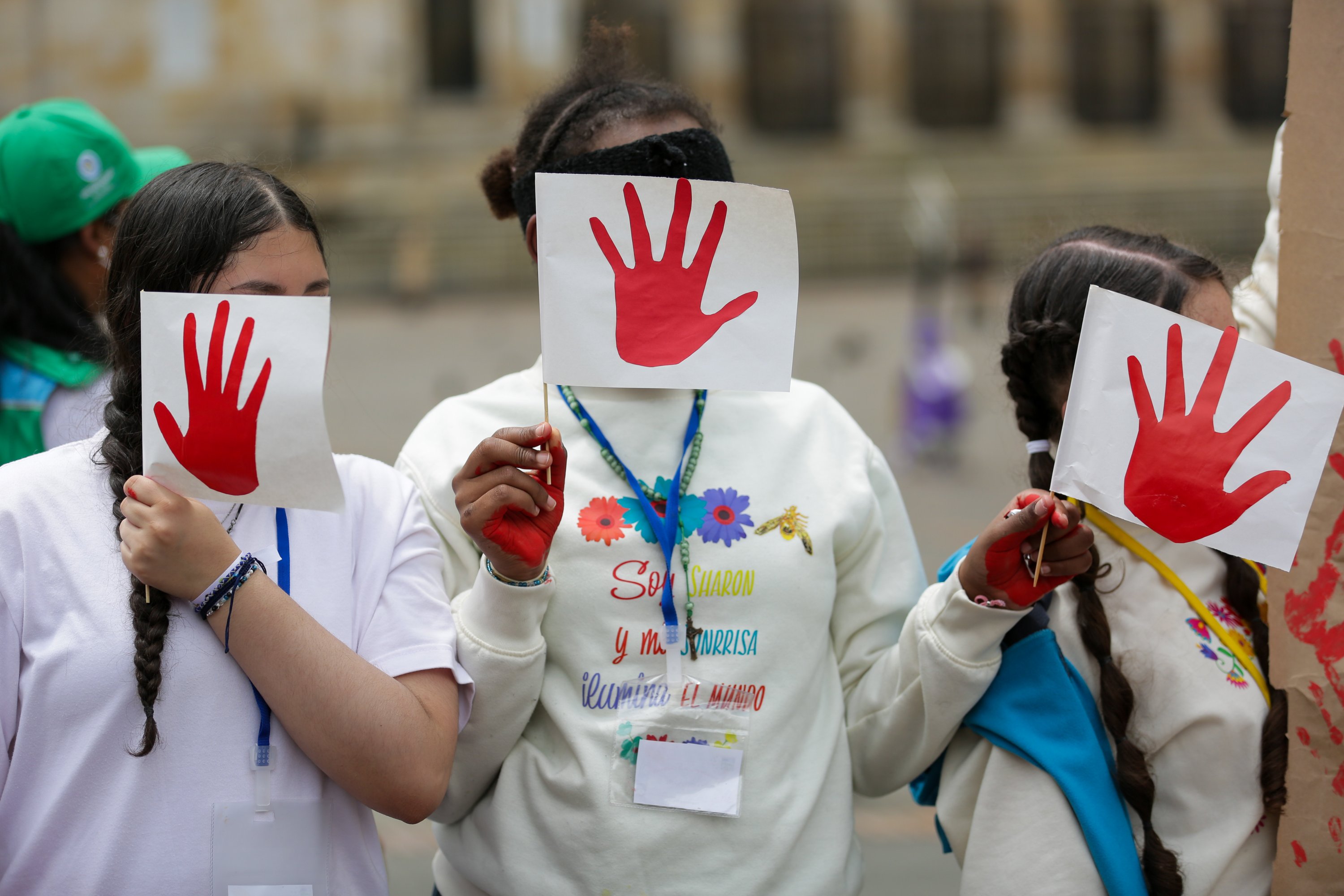
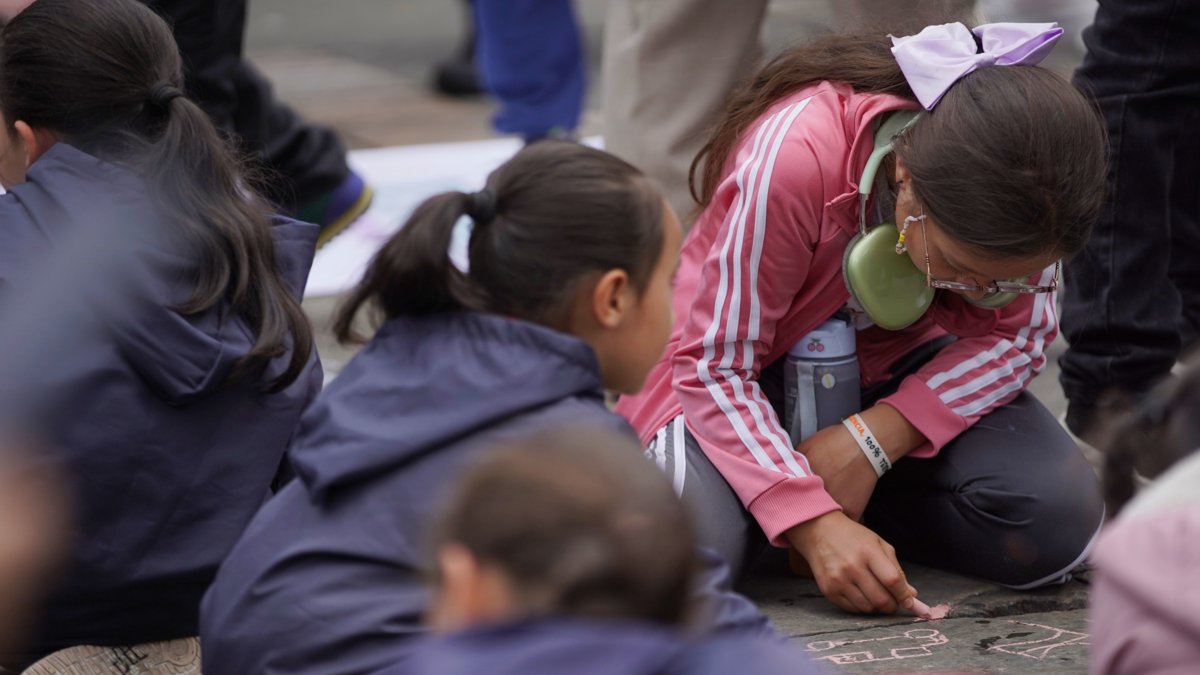
NiñezYA, the coalition of 200 civil society organizations and networks that work to defend the rights of children, the YA as they call them, met with them to analyze the situation of this population, which today faces three crises: armed conflict, human mobility and climate change. An exercise carried out during presidential and regional elections, with the aim of placing minors at the center of electoral discussions.
“As some of the 1,916 children and adolescents told us that we consult to find out which is the country of your dreams: children do not vote, but they matter. And this is because the decisions that adults make impact their present and their future. It is strategic for the development of Colombia, as demonstrated by countries that decided to invest in childhood and early childhood development and today present high rates of well-being and economic growth,” says the national coordinator of NiñezYA, Ángela Constanza Jerez.
Precisely with that premise, coalition experts have met with Claudia López and the vice-presidential candidates Juan Daniel Oviedo, Edna Bonilla, Martha Zamora and Luz María Zapata, who, representing the campaigns, have committed to ten goals for 2030, among which are: reduce chronic childhood malnutrition and suicide attempt rates in children under 18 years of age by 50 percent; carry out the National Nutritional Situation Survey (Ensin); make substantial progress in the eradication of all forms of violence against children; respond to at least 70 percent of the early warnings issued by the Ombudsman’s Office that warn of risks of recruitment, use and use of girls, boys and adolescents.
Likewise, increase coverage of initial and secondary education to at least 80 percent; reach one hundred percent of the country’s municipalities with Participation Roundtables for Girls, Boys and Adolescents and give at least 20 percent of this population regular access to spaces and programs that promote the right to play. Also reduce households with minors in a situation of monetary poverty to 25 percent; guarantee At least 90 percent of girls, boys and adolescents have access to quality basic services (drinking water, sewage, clean air and resilient school and community infrastructure) and 80 percent of adolescents linked to the Criminal Responsibility System programs or restorative and pedagogical justice processes.
“Likewise, we share with you the calculation made by the Javeriana University and Save The Children in which the country requires an additional annual investment of 2.36 percent of the GDP until 2030 to achieve the comprehensive development of early childhood, childhood and adolescence. Everyone signed the commitment and now we hope that the other presidential campaigns do so. We have already sent them letters requesting these technical meetings and we have spoken with several of them to schedule them,” Jerez explained.
READ ALSO
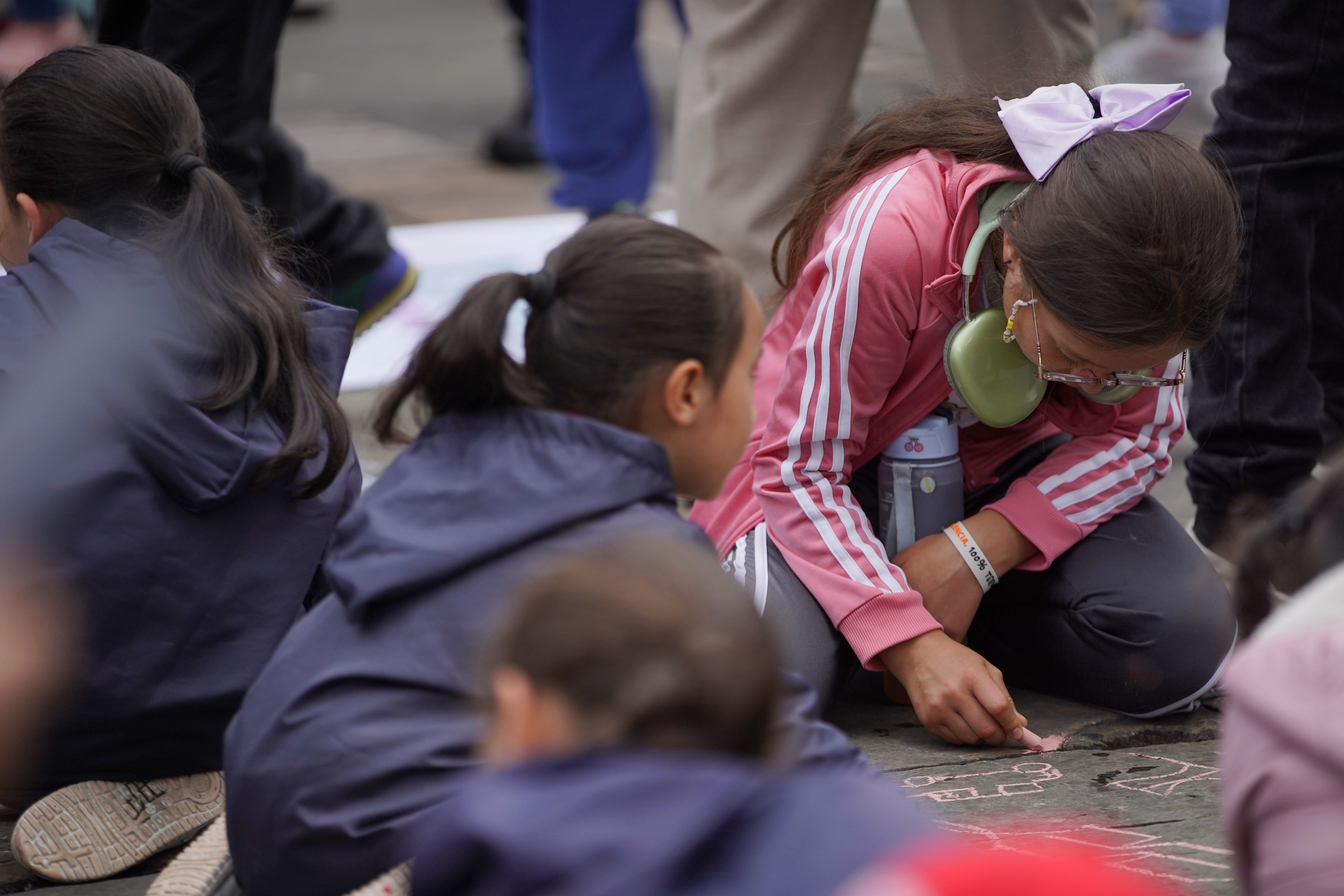
Girls and boys will be in front of the candidates
In addition to these meetings, NiñezYA is inviting all candidates to the ‘Conversation of girls, boys and adolescents with candidates for the 2026 presidency’, a space that is also convened by EL TIEMPO, Canal Uno and Imagina of the School of Government of the University of the Andes. It will take place in this university cloister on April 22, in the morning.
The 19 children and adolescents who will be in the auditorium are part of the NiñezYA participation processes and come from different regions of the country with questions that they have asked with classmates. Among them, girls and boys from the SOS Children’s Villages, Lumos, Save The Children and World Vision programs in Barranquilla, Bucaramanga, Buenaventura, Bogotá, Cali, Ipiales and Soacha.
As they themselves say, their questions have support. Part of them come from the results of the ‘The country of my dreams’ consultation, in which 1,916 girls, boys and adolescents from 17 departments and the capital of the country said how they imagine the country in which they want to grow. 70 percent were between 3 and 5 years oldwhich makes this exercise one of the broadest expressions of early childhood in the face of decisions that mark your life. They want a country where “no one goes hungry”, “there is no war” and “all boys and girls can go to school and the park to play”, “children’s laughter can be heard in every corner” and that adults listen to them and take care of them because we also know “how to make a beautiful country.”
“Within the framework of Children’s Month, we hope to have meetings with the missing candidacies and the confirmation of the candidates invited to the conversation on April 22, as has happened in previous electoral contests. Your attendance at this space will show with facts the importance that children have in your government agenda,” Jerez reiterated.
EDUCATION EDITORIAL