The Amazon rainforest, the Great Barrier Reef, and national parks like Yellowstone and Yosemite may come to mind when you think of wildlife sanctuaries.
You’re unlikely to immediately think of the Chernobyl Exclusion Zone or the Demilitarized Zone (DMZ) between North and South Korea.
But that’s exactly what they became. In areas where humans are not allowed to live, wildlife thrives.
Could this accidental return of wild animals be a lesson in conservation?
More than 70 years without people
Free travel between North and South Korea became impossible in 1953, after a 248-kilometer-long and four-kilometer-wide demilitarized zone was established across the Korean peninsula.
Activities in the demilitarized zone are very limited, and the area is covered with mines.
But that doesn’t deter animals and plants.
South Korea’s National Institute of Ecology says the demilitarized zone is home to 6,168 species of wildlife, including 38 percent of the peninsula’s endangered species.
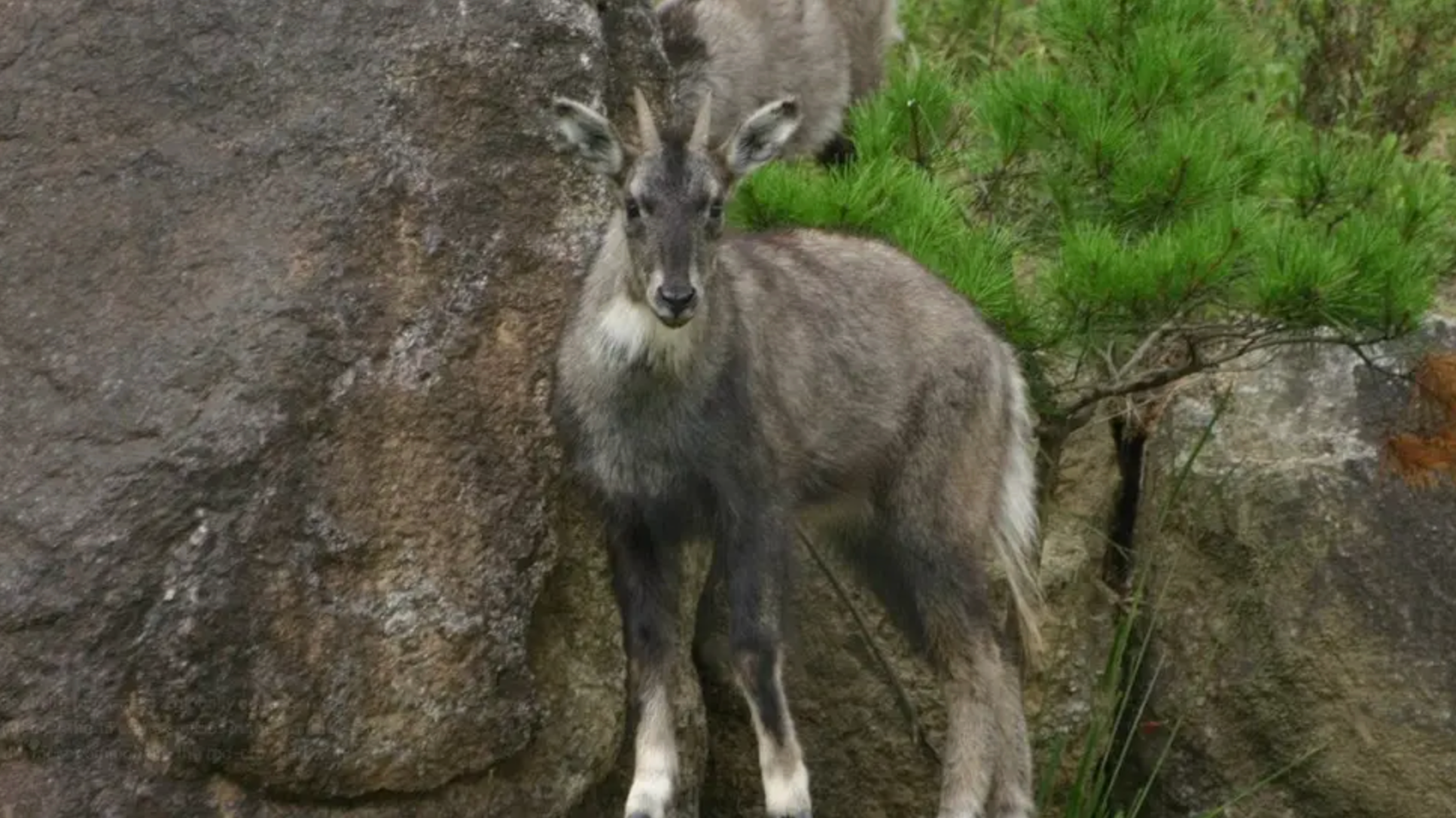
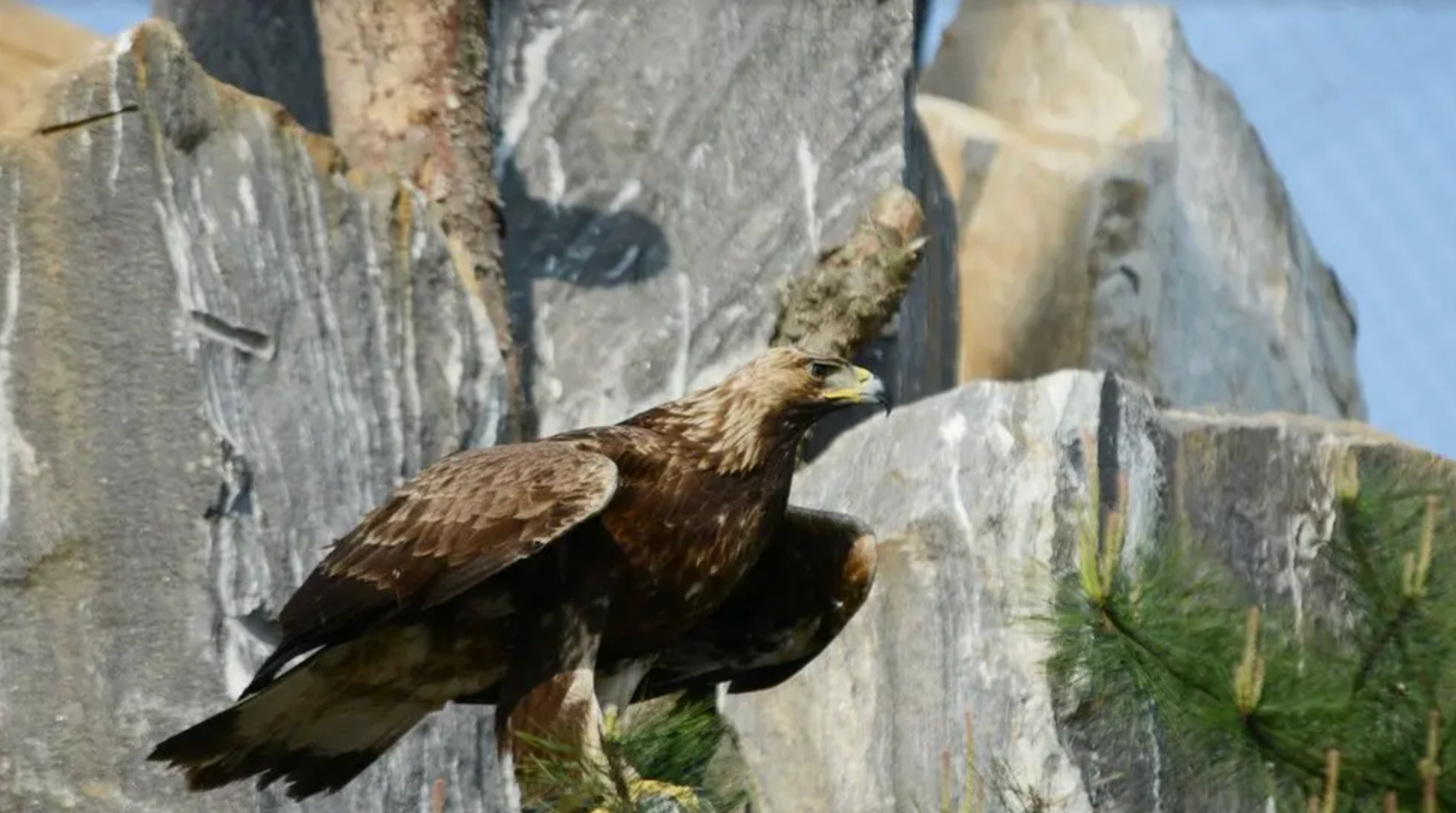
The area has had very little human impact for over 70 years and is now home to species such as bald eagles, mountain goats and deer.
The area is also home to many plants endemic to Korea, meaning they are found nowhere else on Earth.
Seung-ho Lee, president of the Demilitarized Zone (DMZ) Forum, an organization that advocates for the protection of nature in the zone, said nature was “accidentally protected by the ceasefire.”
“Nature has regained its ownership.”
“So many animals, especially bird species, (have) more access to the area, while most of the human activity has disappeared,” he said.
Many of the species that live there, he said, are globally significant, like the cranes that live in the Demilitarized Zone, but “fly all over the world.”
Korea’s Demilitarized Zone isn’t the only unexpected haven for wildlife.
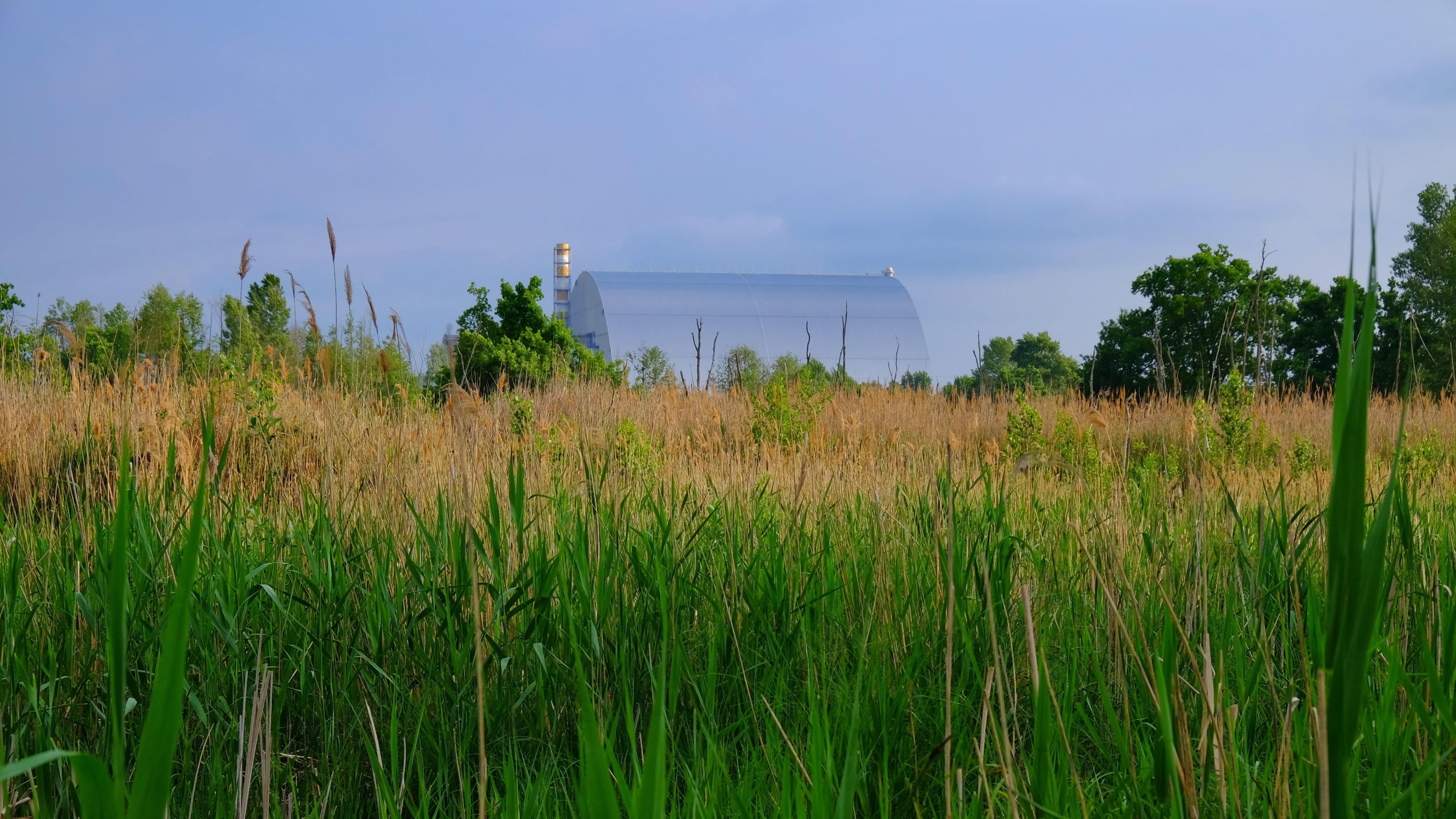
On April 26, 1986, a reactor at the Chernobyl nuclear power plant in the former Soviet Union – today’s Ukraine – exploded, releasing dangerous radionuclides into the atmosphere.
Radioactive contamination spread over thousands of square kilometers, and hundreds of thousands of people were evacuated.
An exclusion zone has been established around the site, which is still largely uninhabited.
The area has since been expanded and now covers about 4,000 square kilometers.
According to the UK Center for Ecology and Hydrology, it remains one of the most contaminated places in the world.
‘Red Forest’
Immediately after the explosion, the environmental consequences were severe, according to Jim Smith, a professor at the University of Portsmouth in the UK.
The trees died and turned “reddish-brown” in what is now called the area Red forestand there was also damage to mammals and aquatic life, he said.
However, the radioactive elements emitted from Chernobyl decayed rapidly.
“Radiation doses declined very rapidly in those days and weeks after the accident, and the zone remained chronically low for decades,” he said.
These levels are unsafe for long-term human habitation – but for animals and plants, it’s a different story.
“Wildlife is thriving in Chernobyl … without a doubt, I think the exclusion zone is much more ecologically diverse and rich than it was before the accident,” he said.
“We studied the fish in the lakes, including the (nuclear) cooling pool…
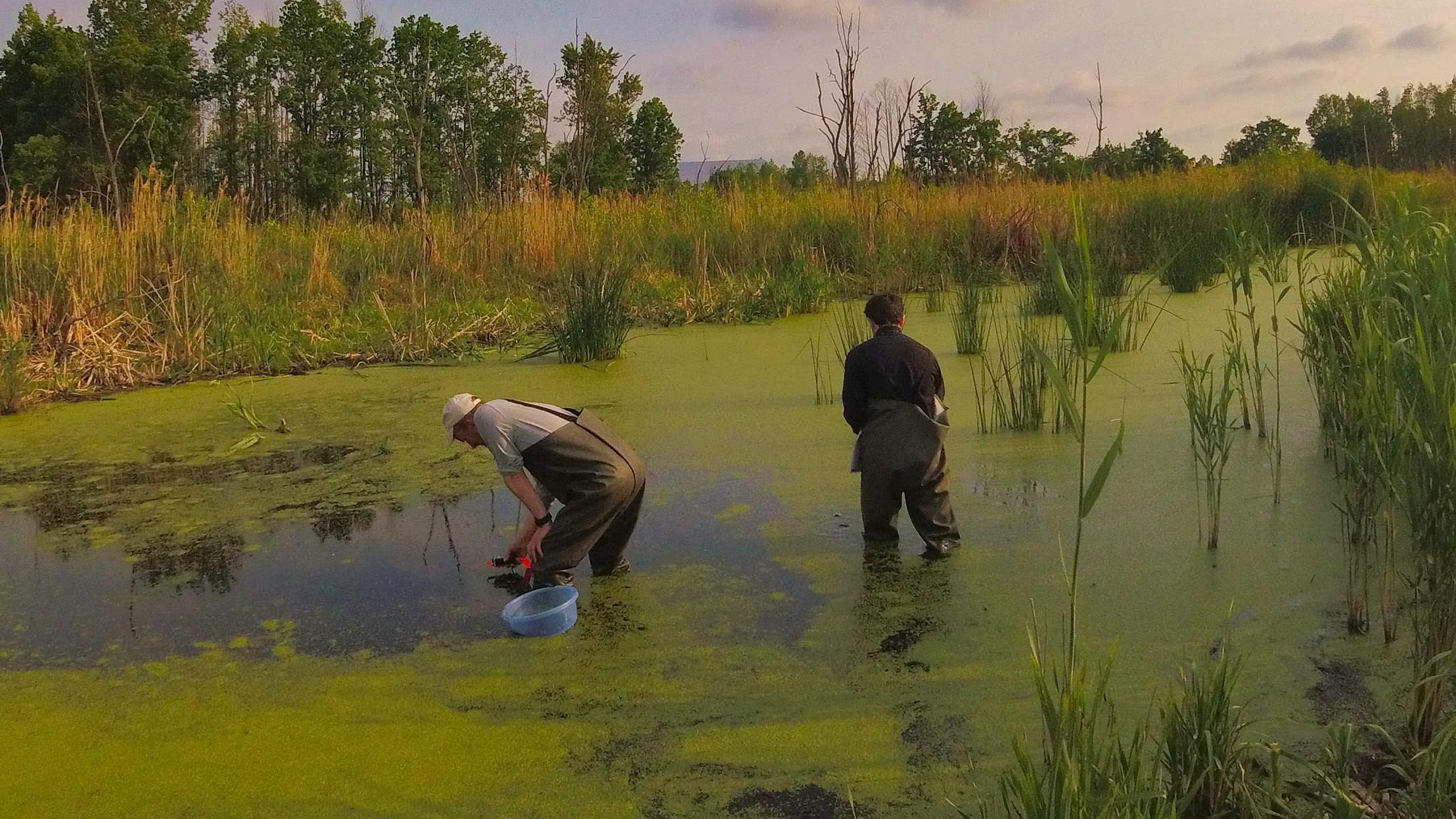
“We studied aquatic insects and found that the more contaminated lakes were just as diverse and abundant as the uncontaminated lakes in the area.”
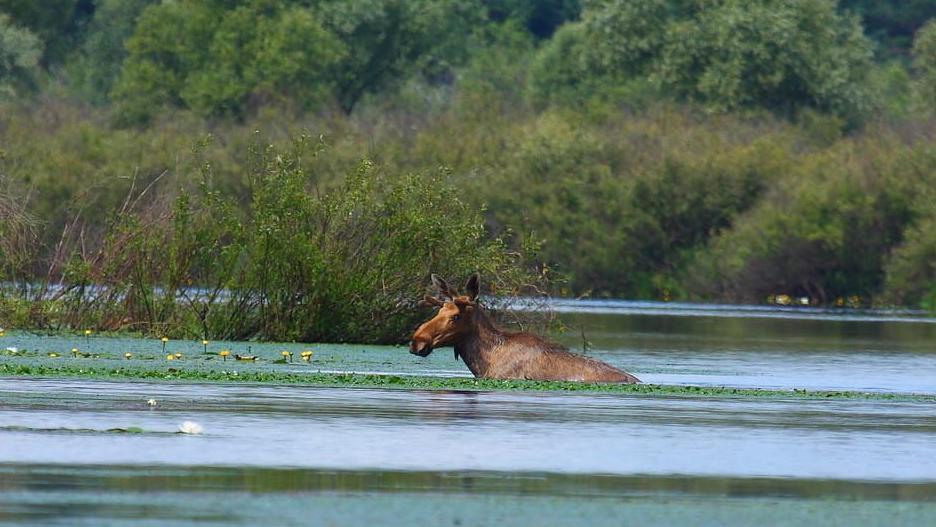
Mammals also seem to do well in the exclusion zone.
“We looked at the difference in mammal populations between more contaminated and less contaminated areas, and we didn’t find one,” Smith said.
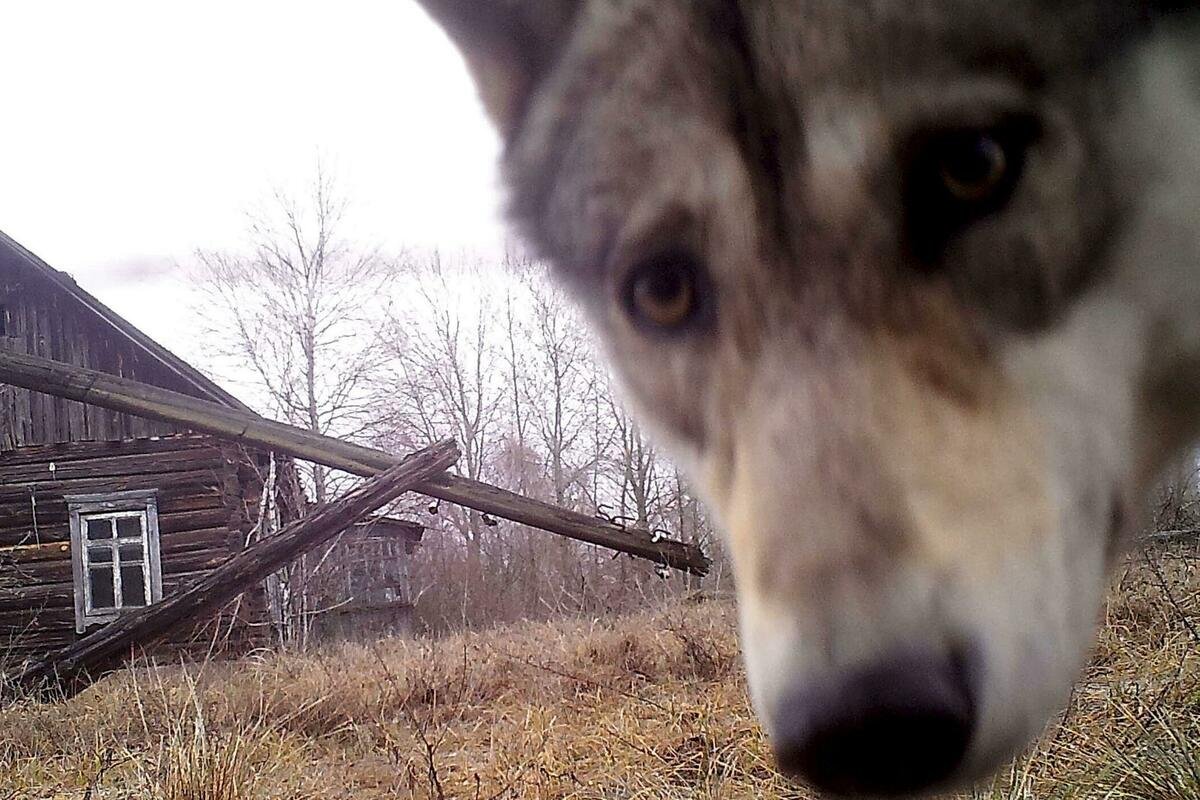
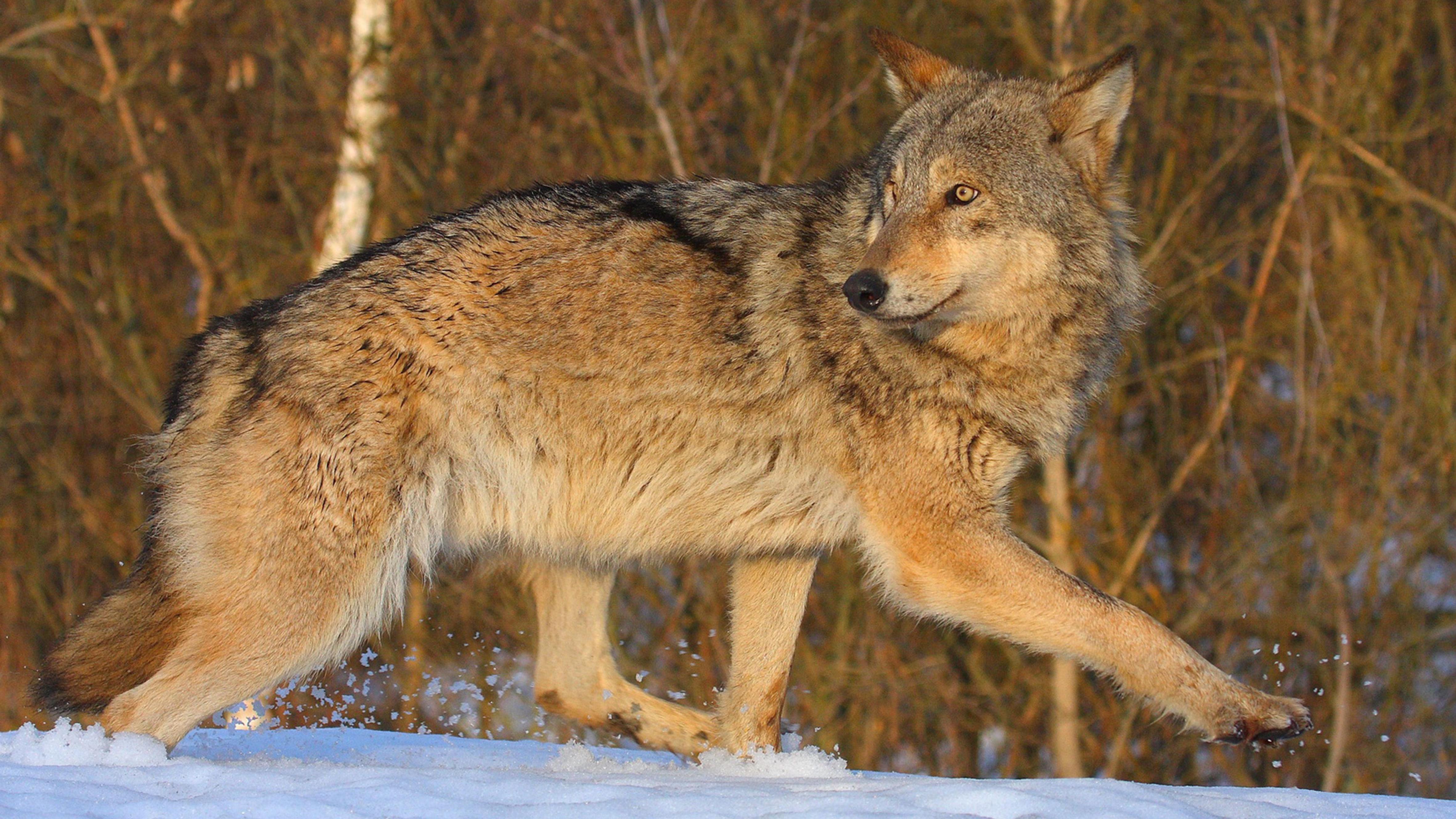
“The only difference we saw was in the wolf population, which was seven times higher in Chernobyl than in other nature reserves in the region.”
‘Leave nature alone’
The fact that wild animals could do better in a radioactive zone than outside it may seem surprising, but there is a logic to it.
“It’s a huge area, free for wildlife, no noise, no light, no pesticides, no herbicides, no forestry, no agriculture,” said Herman Orizaola, an associate professor of zoology at the University of Oviedo in Spain.
“Human pressure is much, much worse for nature than the worst nuclear accident ever.”
Smith agrees.
“What I learned from Chernobyl is that … we do damage by occupying ecosystems,” he says, adding that other things, like pollution, are important but “secondary.”
“(Chernobyl) is a powerful example of what restoring nature can do,” he said.
Orizaola believes that the location shows what protection strategies are working.
“Often we have these nature reserves and national parks or whatever, but they kind of become a mixture of tourist attractions and part of human exploitation, and they don’t work to protect nature,” he said.
“(Chernobyl) is a wonderful place, it’s really an amazing place…
“If we really want to preserve nature, the best recipe is to reduce the pressure on the land and let nature be nature,” concludes the professor at the University of Portsmouth in Great Britain.
Watch a video about the new inhabitants of the Chernobyl Exclusion Zone
BBC is in Serbian from now on and on YouTube, follow us HERE.
Follow us on Facebook, Twitter, Instagram and Viber. If you have a topic suggestion for us, please contact bbcnasrpskom@bbc.co.uk
Download the application and follow the news


FOLLOW US ON

News